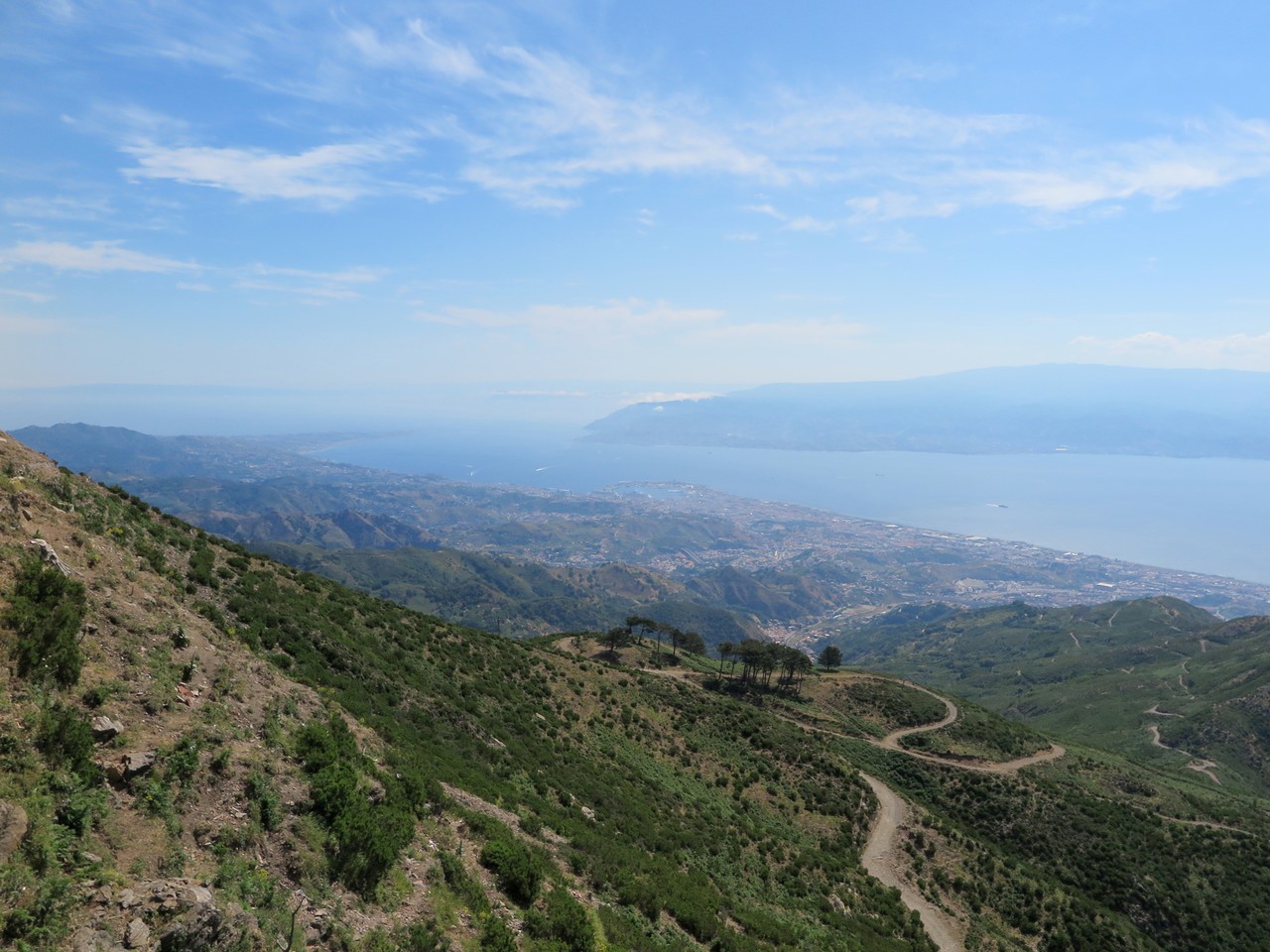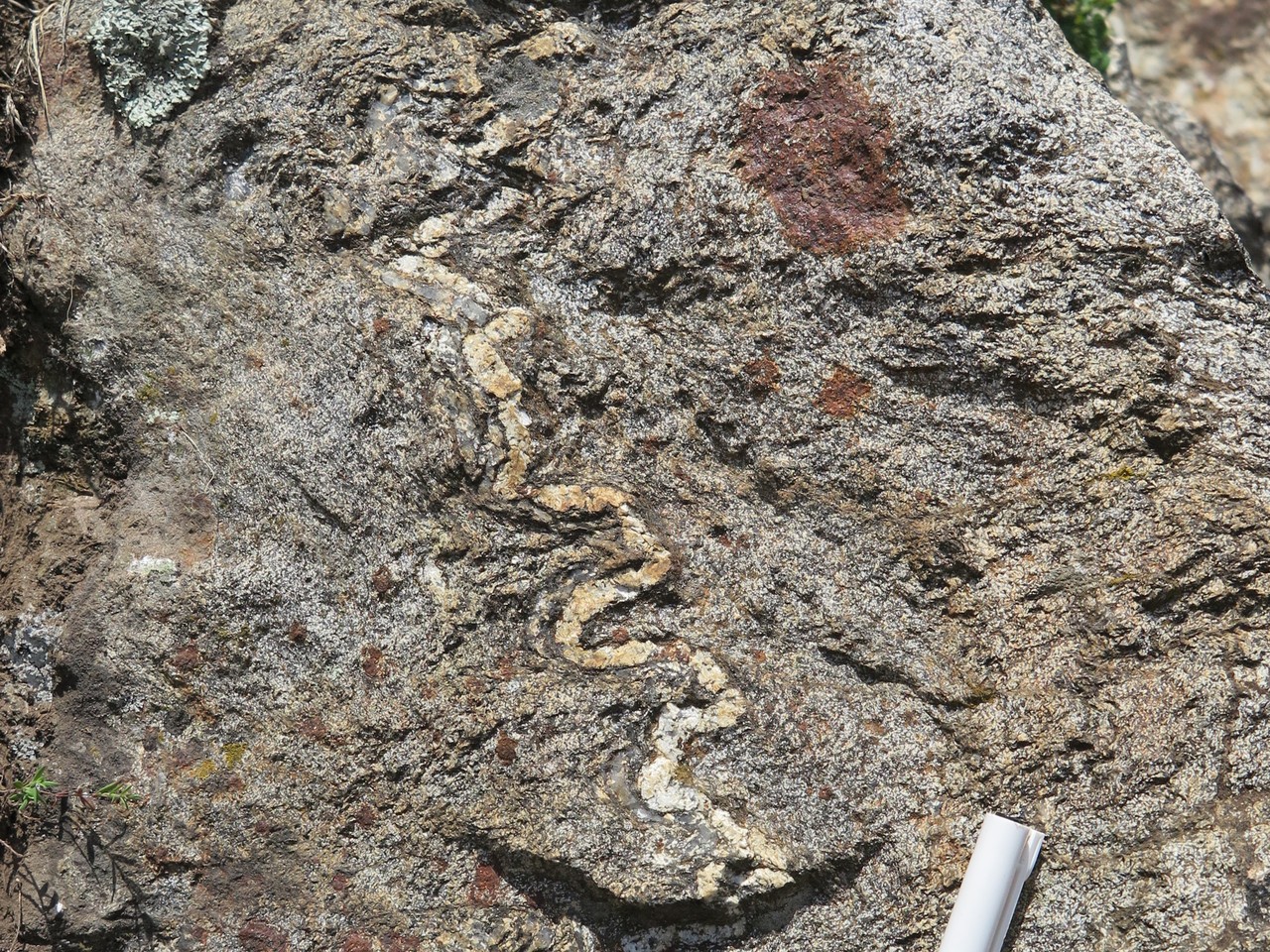
At Monte Dinnammare, we can see a panoramic view of the Peloritani Mountains (Variscan basement deformed during the Alpine orogeny) and we find the Aspromonte Unit that is composed of a high grade metamorphic Variscan basement with an Alpine metamorphic overprint. There are also trondhjemite intrusions in amphibolite. These intrusions are post collisional, intruded around 300 Ma (Variscan orogenesis).
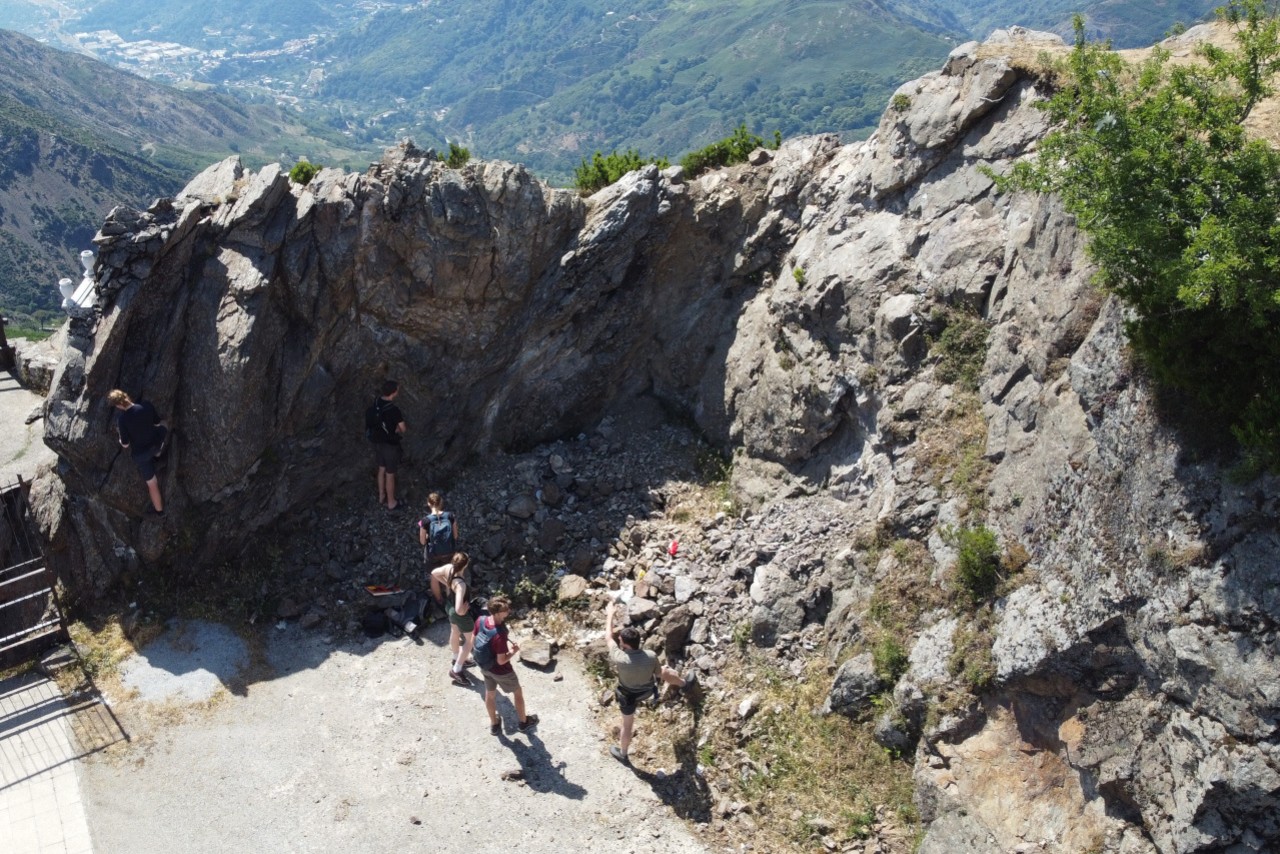
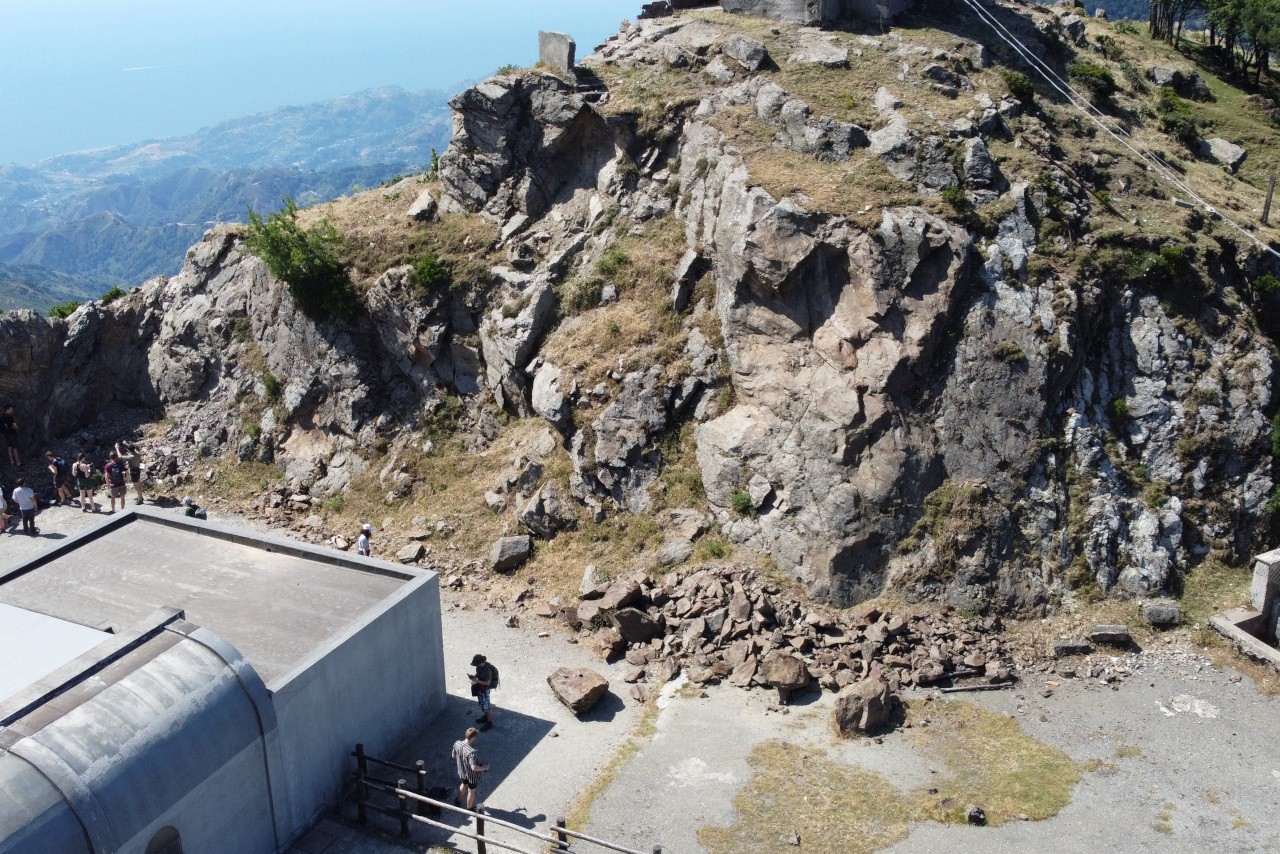
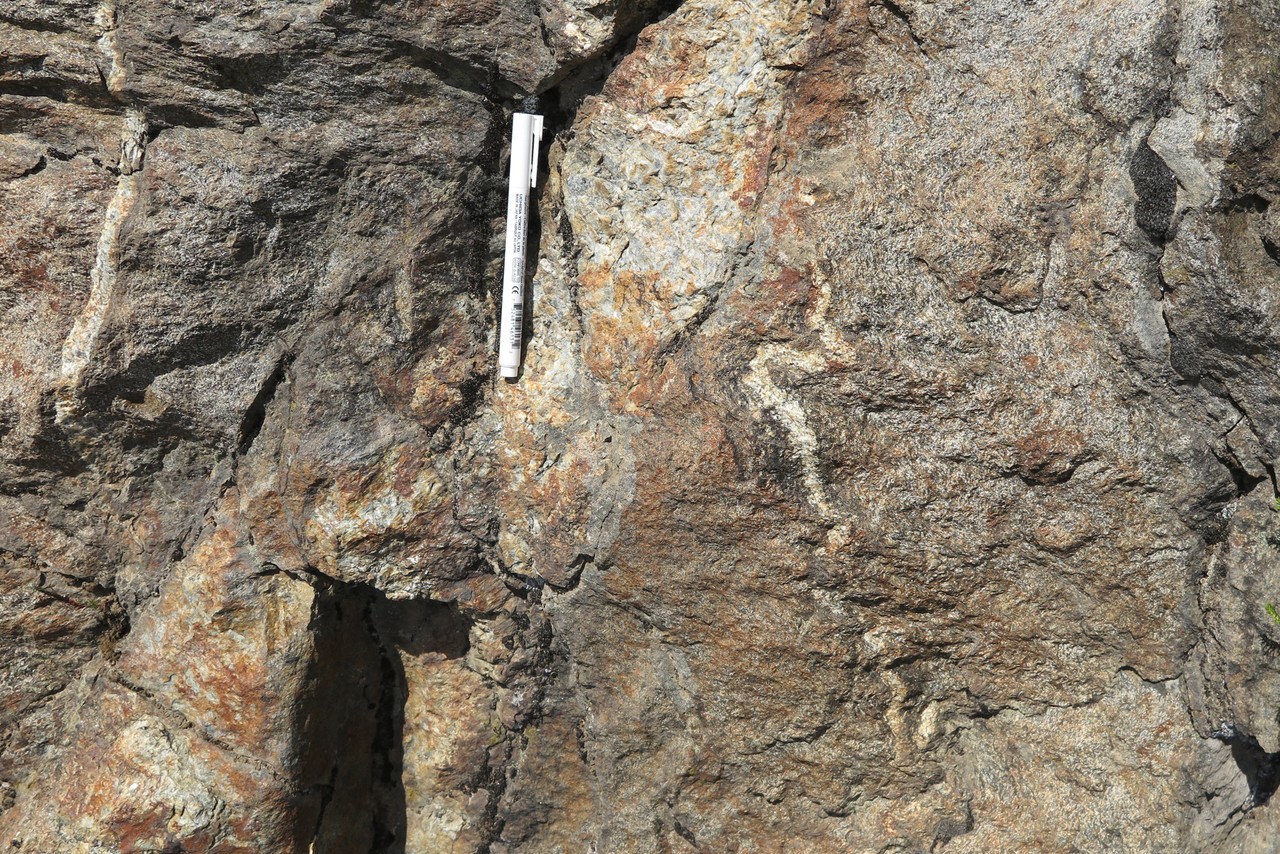
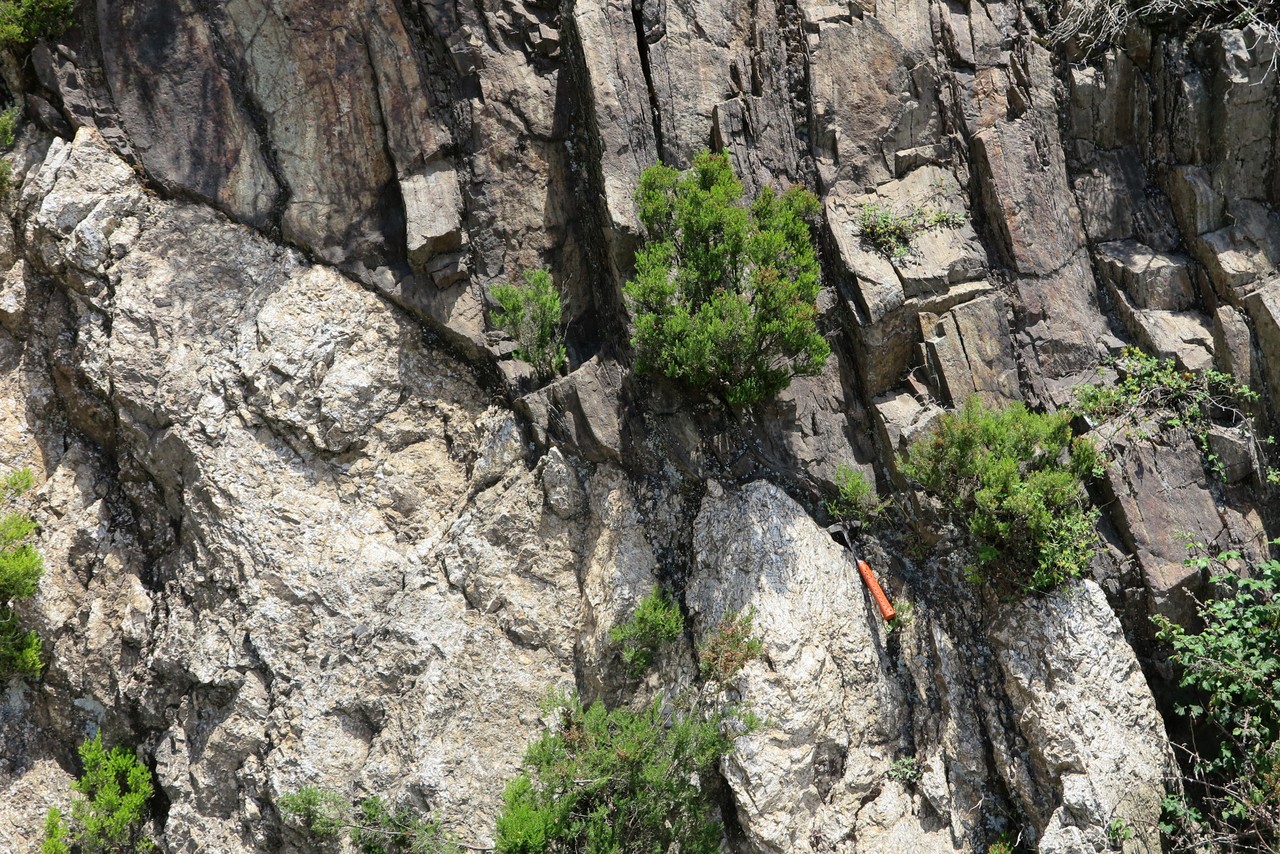
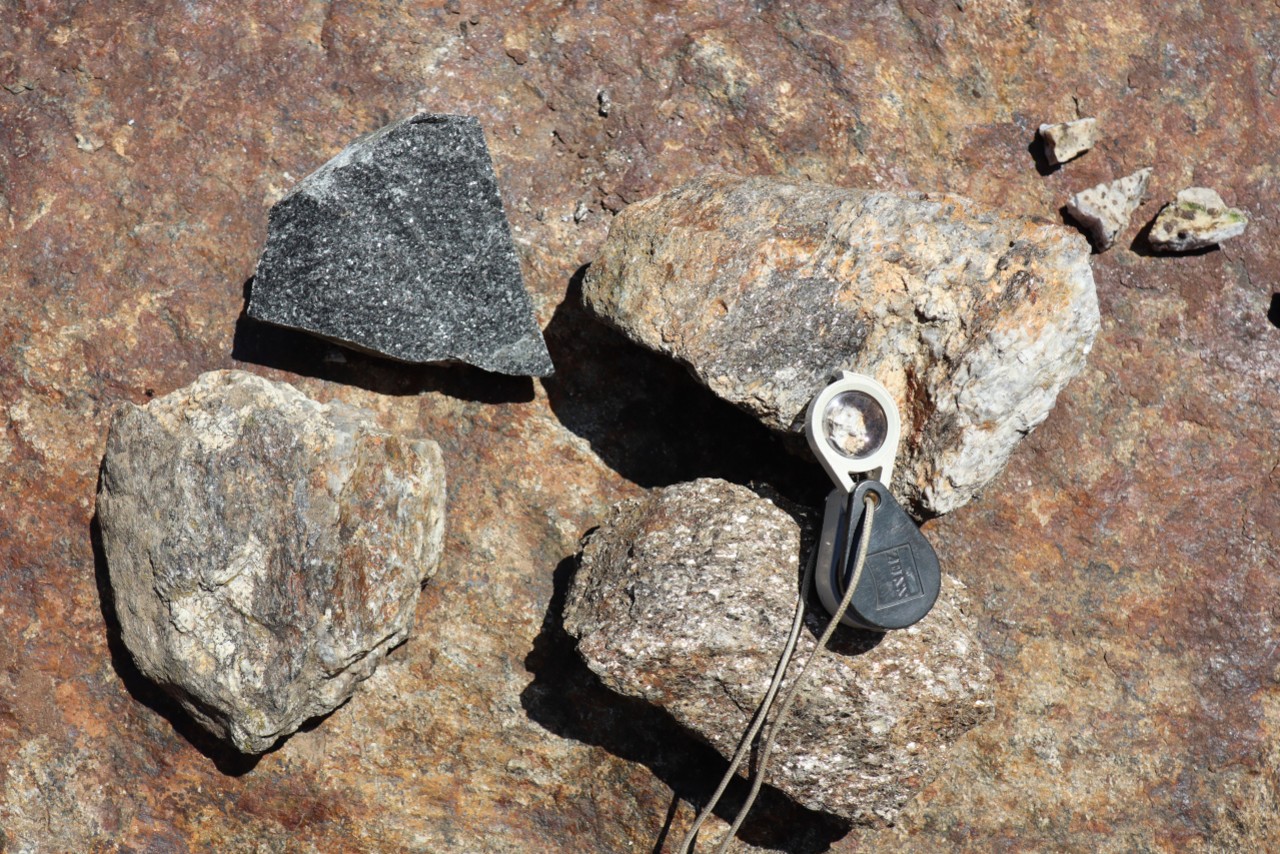
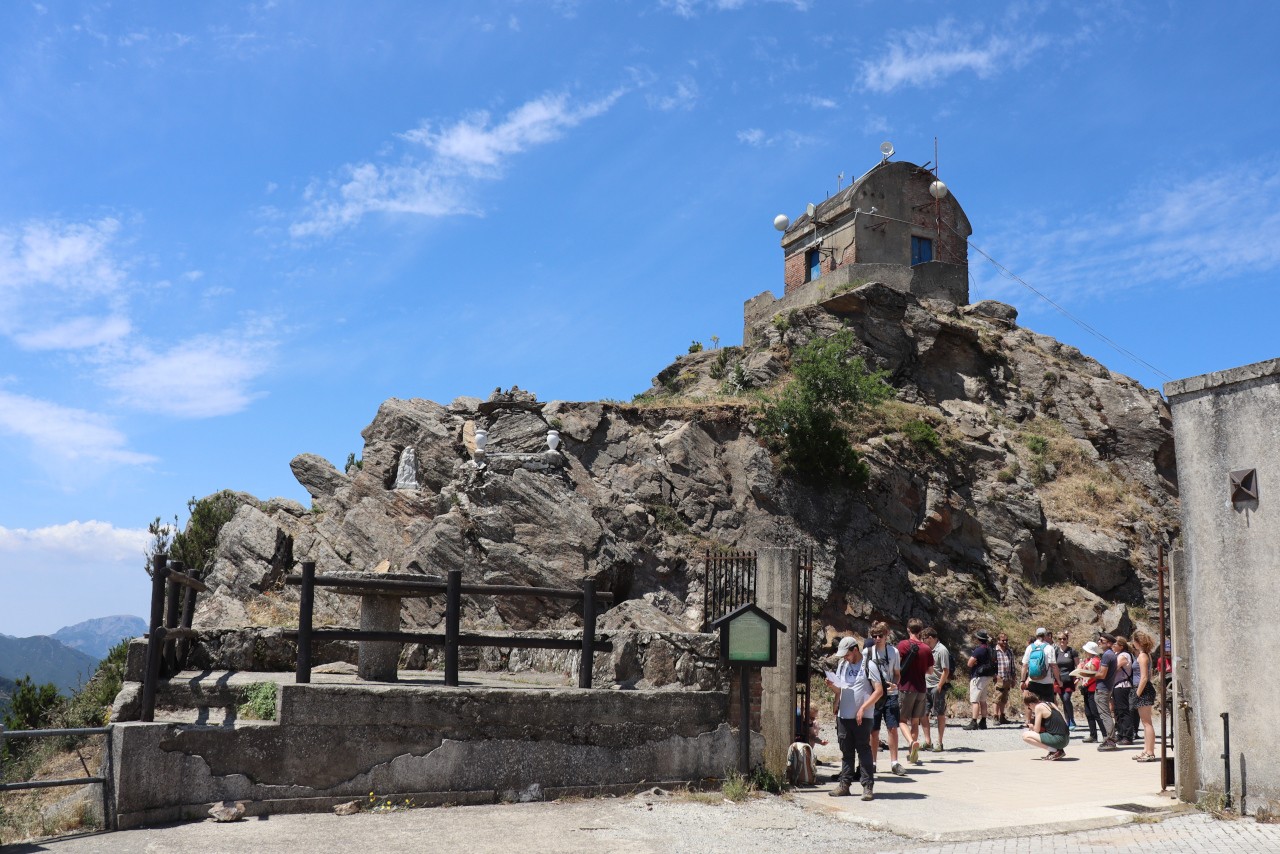
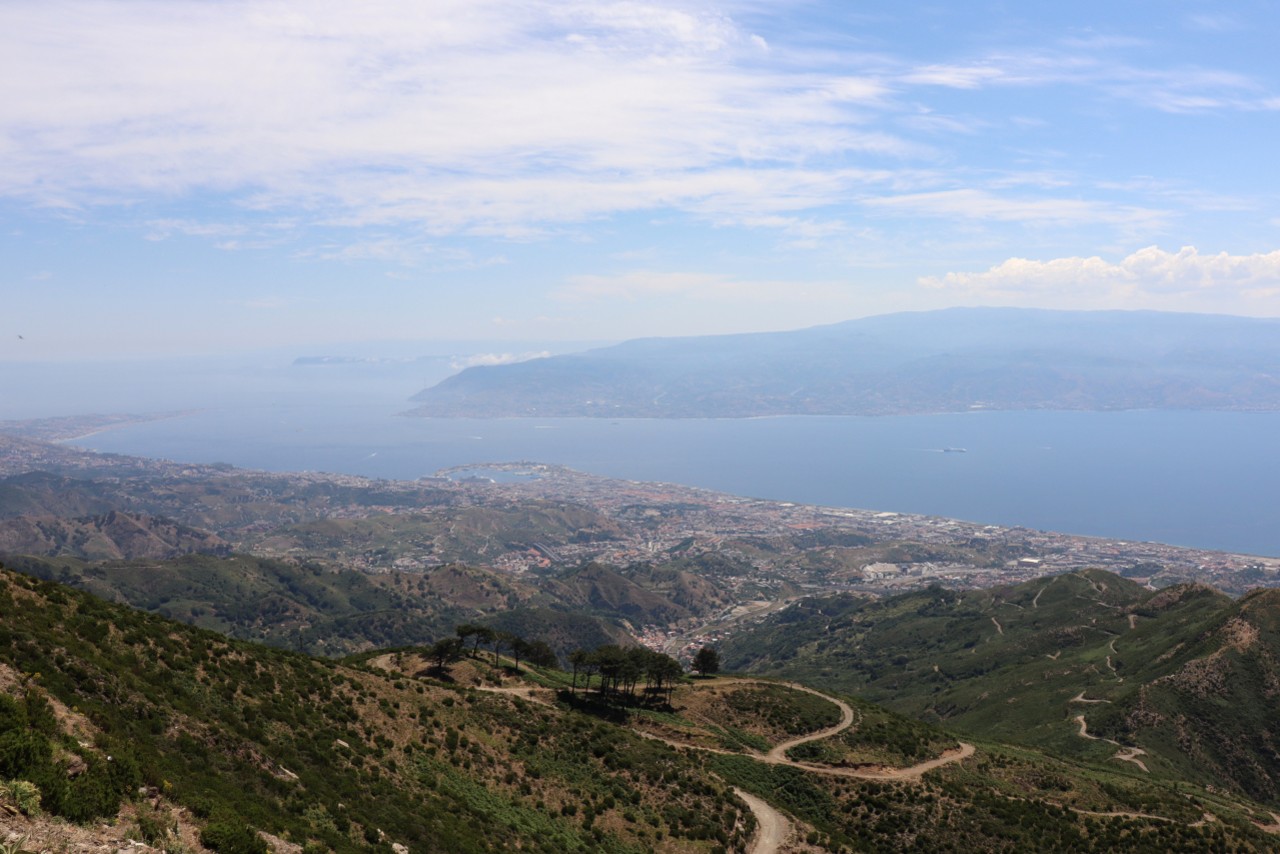
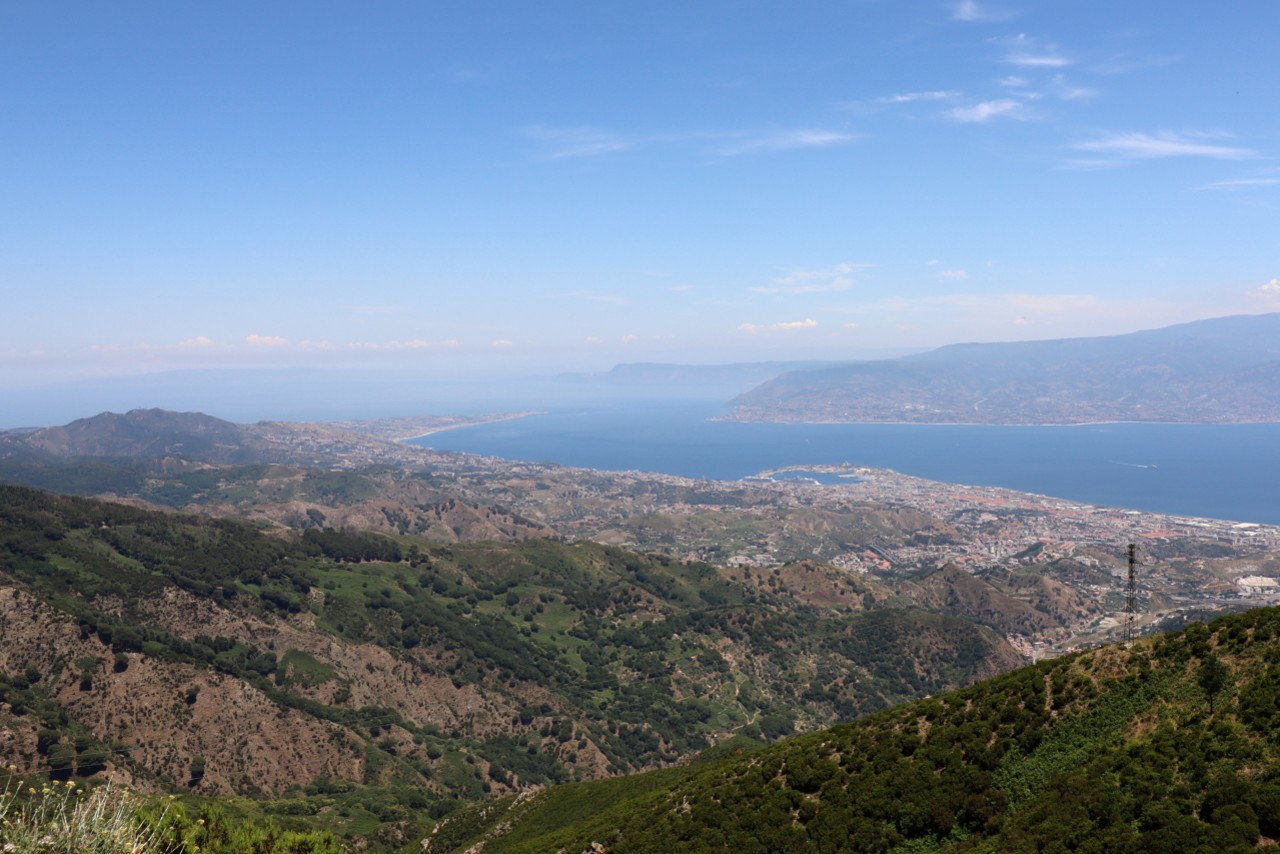
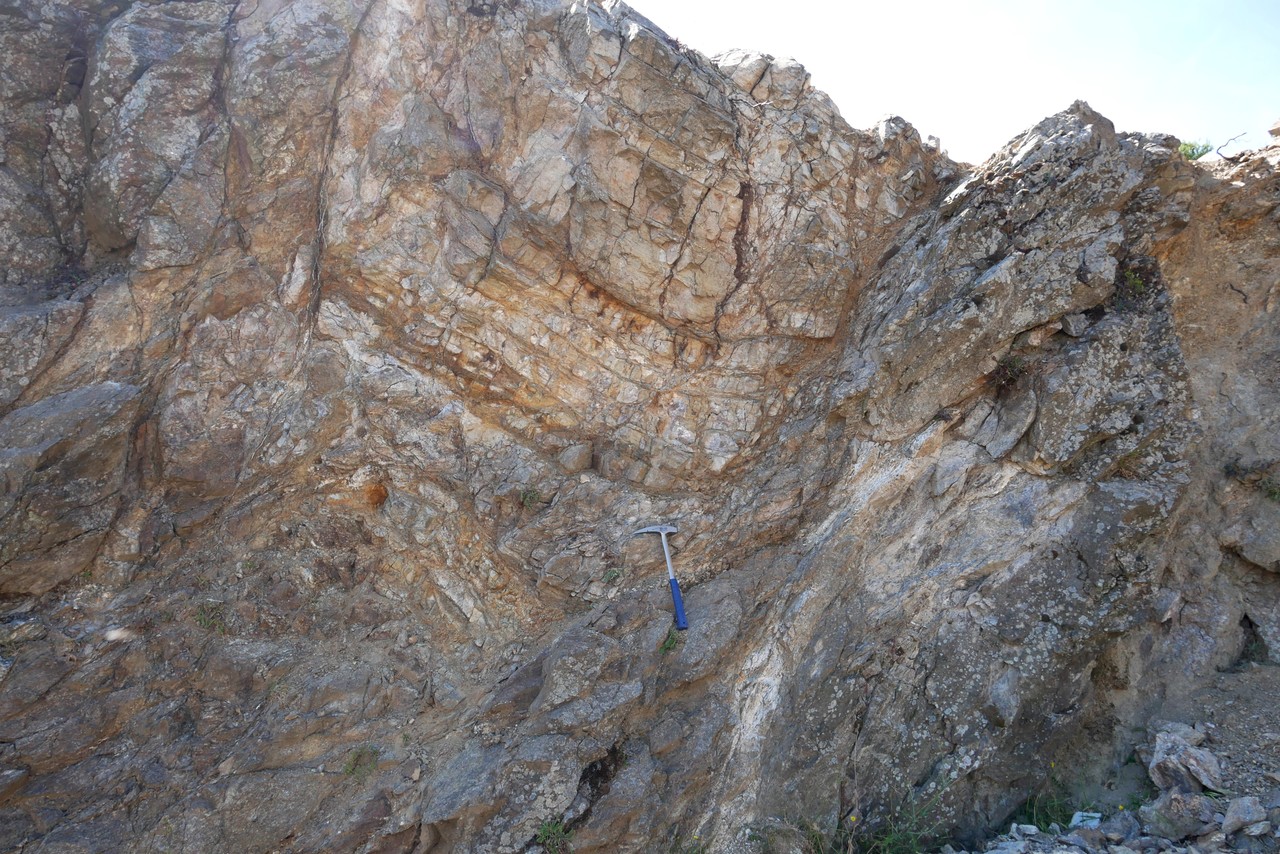
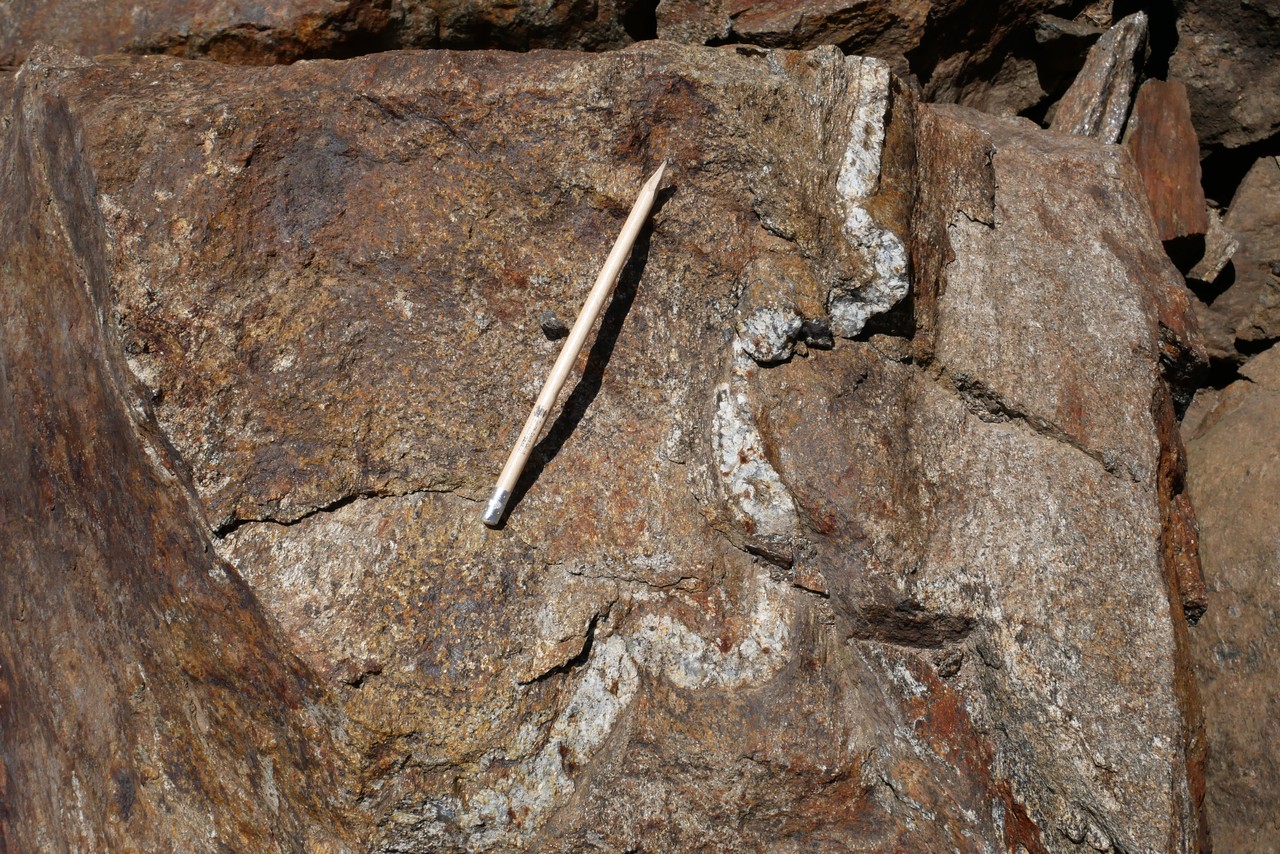
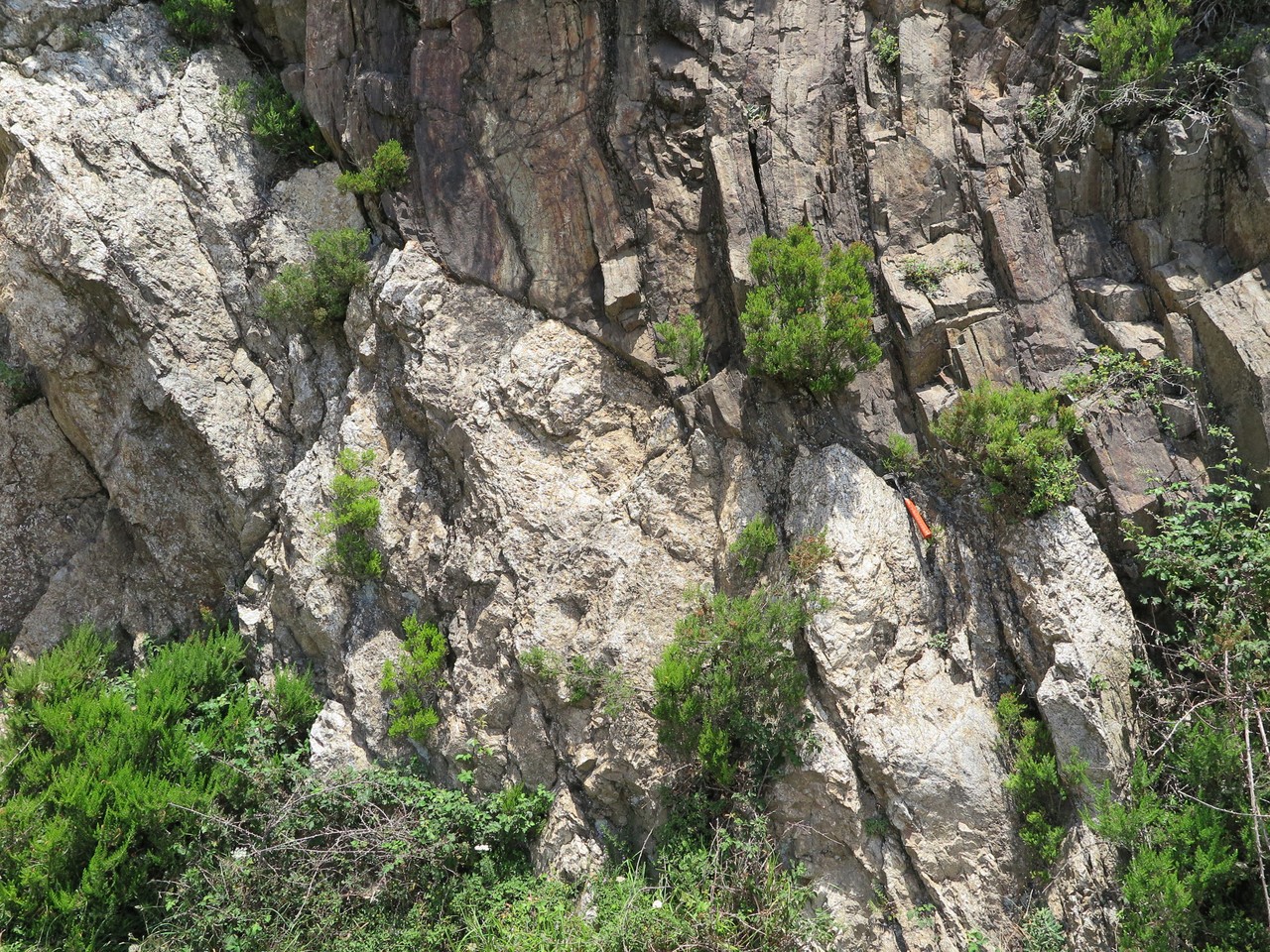
At Monte Dinnammare, we can see a panoramic view of the Peloritani Mountains which mainly consist of the Aspromonte Unit, exhibiting amphibolites (darker rocks) intruded by trondhjemite (whiter ones), as shown in the Gallery. This unit is stratigraphically above the Mandanici Unit, a unit that will be discovered in the next outcrop. These two units both belong to the upper complex, itself being on top of the lower complex. The last one is composed of low grade metamorphism (sub-greenschist facies), mostly metapelite with some metacarbonates and some metabasite intrusions principally due to volcanic activity. Lastly, this low grade metamorphic complex displays a meso-cenozoic cover, slightly deformed but non-metamorphic.
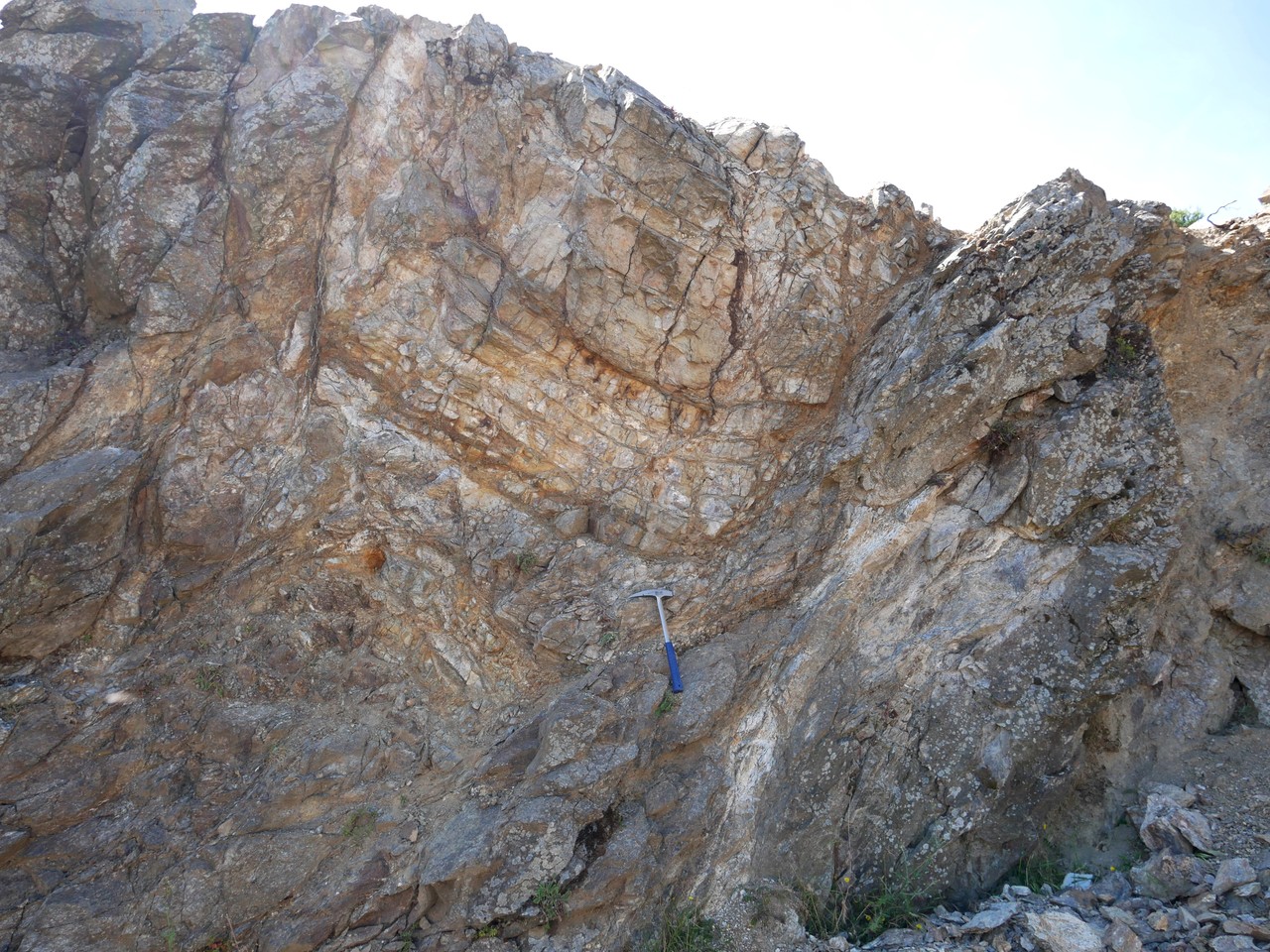
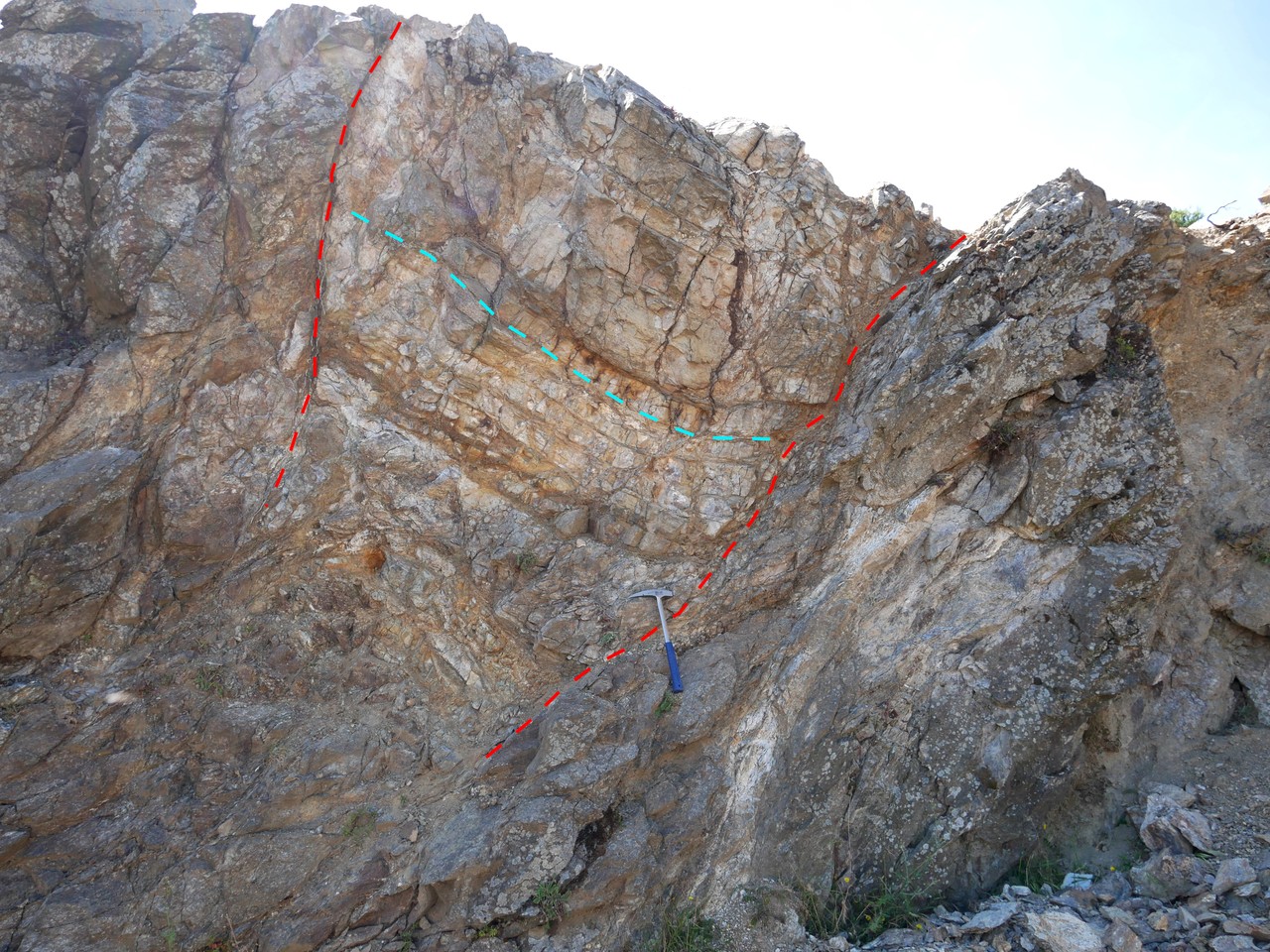
Our outcrop shows really deformed amphibolites of Variscan age, to be exact with the oldest ages found in this part of Sicily, some over 500 Ma! It might now seem pretty peculiar that the oldest and very deformed rocks lay on top of the youngest and less metamorphosed ones. This is what we call a "Inverse metamorphic seqquence". Now, how did this happen? These sediments were gently deposited before they went through the Variscan orogeny, about 350Ma ago. This orogenesis rearranged the composition of these rocks as they went down the crust, increasing their pressure and temperature. Then, during the Alpine Orogeny, this process happened again ! But this time, not only the pressure and the temperature of the system was changed, also its stratigraphic order as faults and thrusts accommodated the deformation, it reversed the series. And so was created the Reverse Metamorphic Series. In particular, our outcrop allows us to see some Variscan basement crossed by two alpine faults. Moreover, the different veins present in the amphibolites makes us understand the quantity of shortening these rocks went through, as displayed in the gallery.
This outcrop summarizes all this fascinating history, from the deposition of the sediments million years ago, to their exhumation today, telling us their fascinating stories.