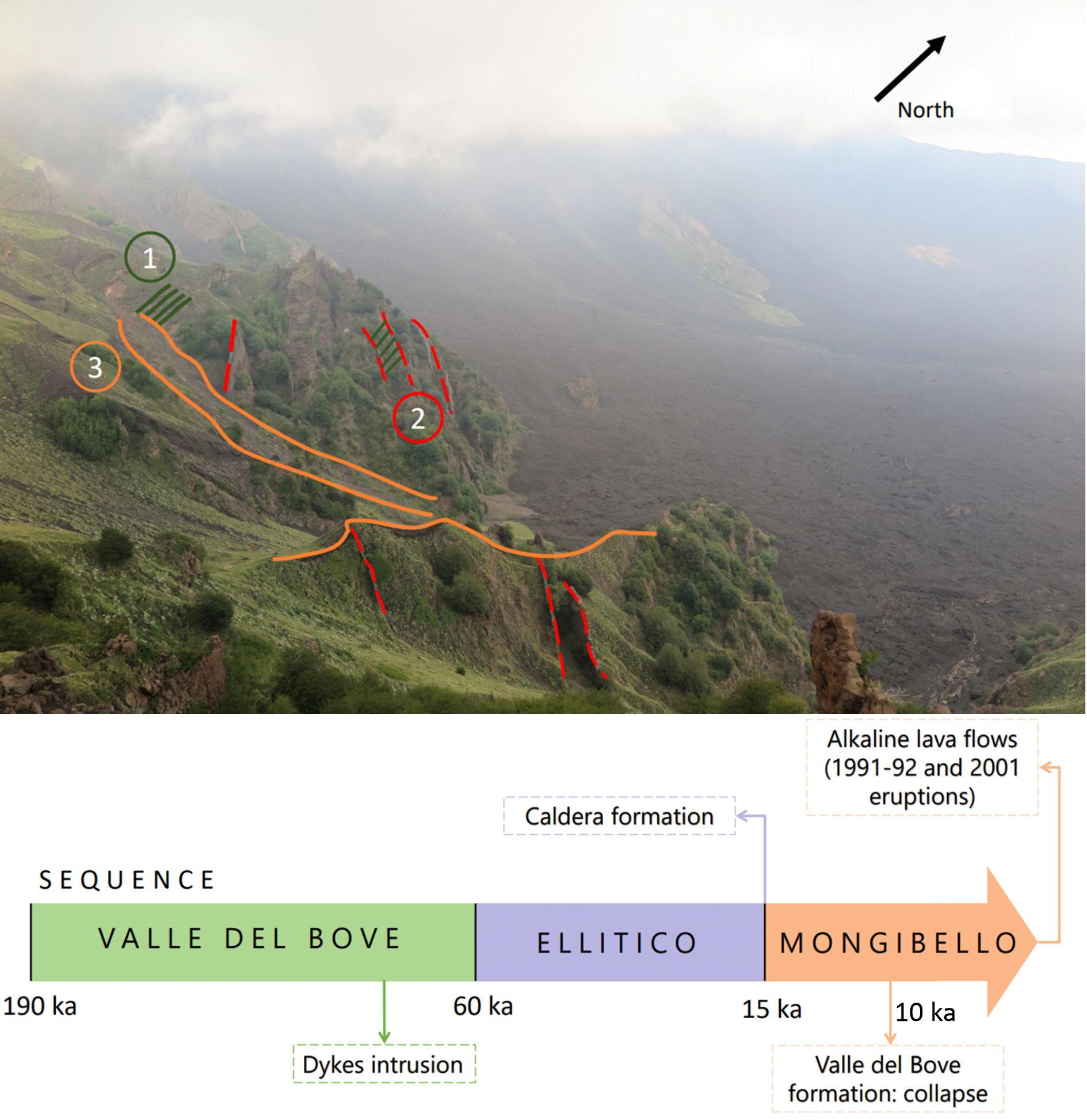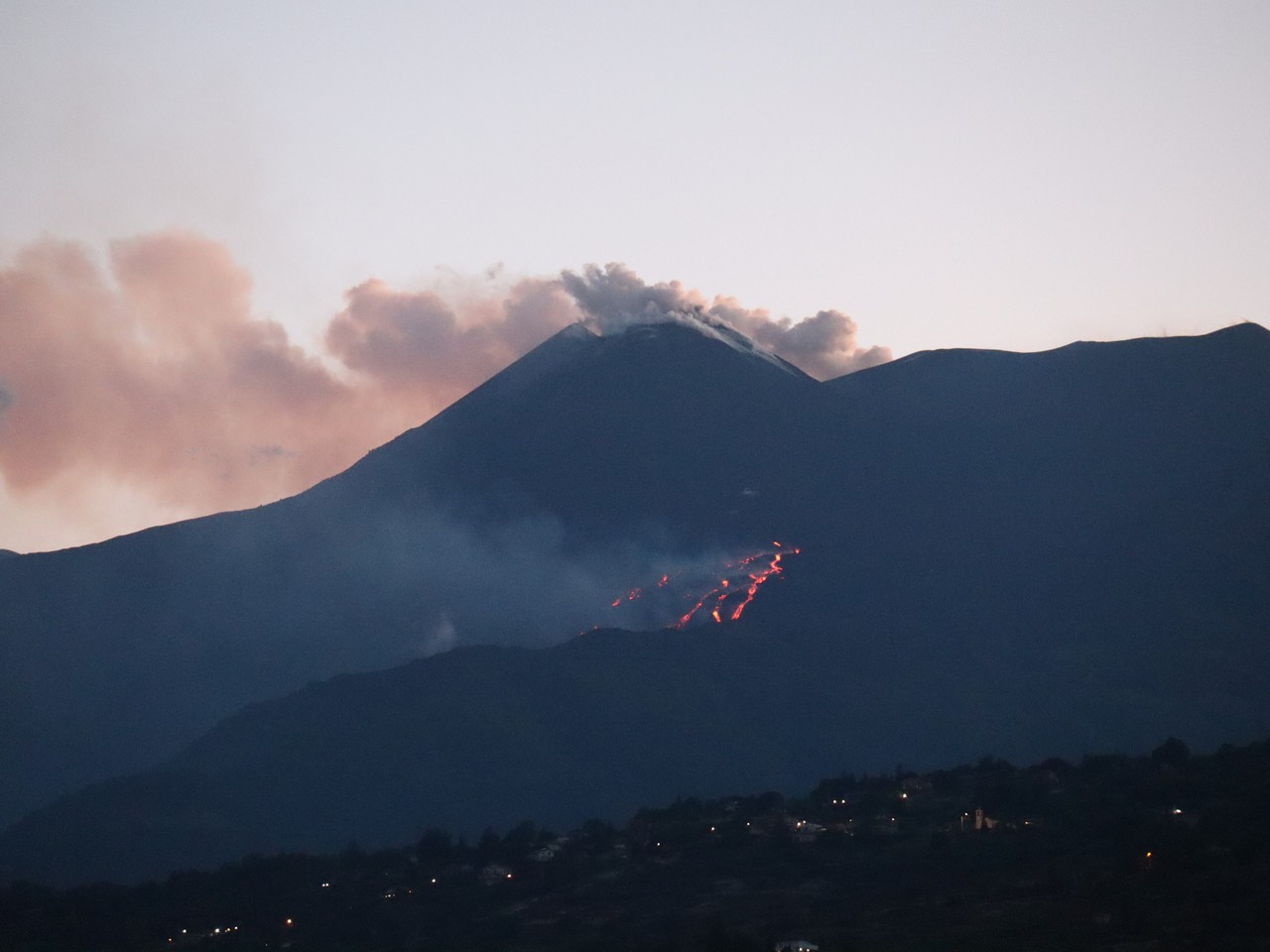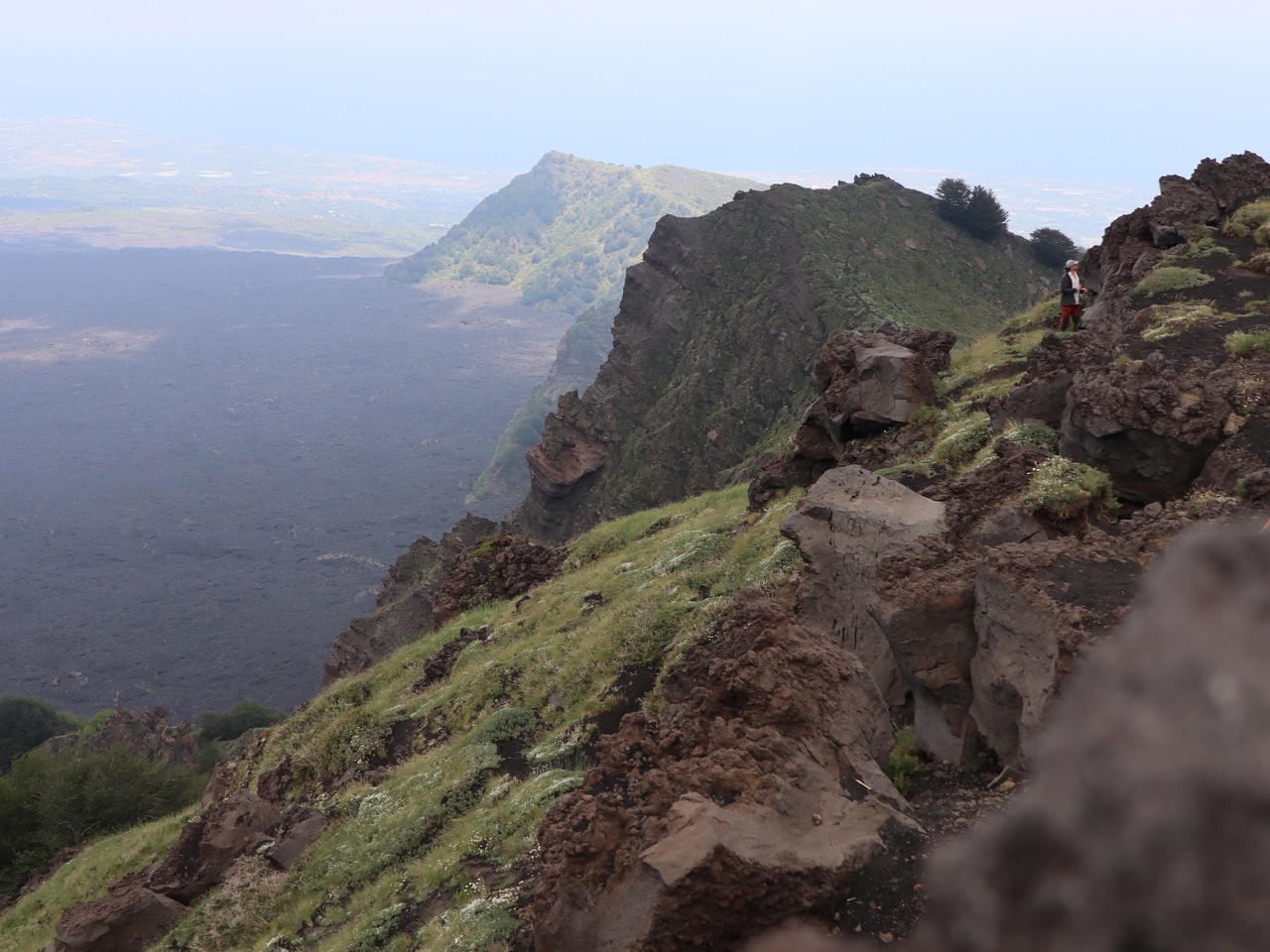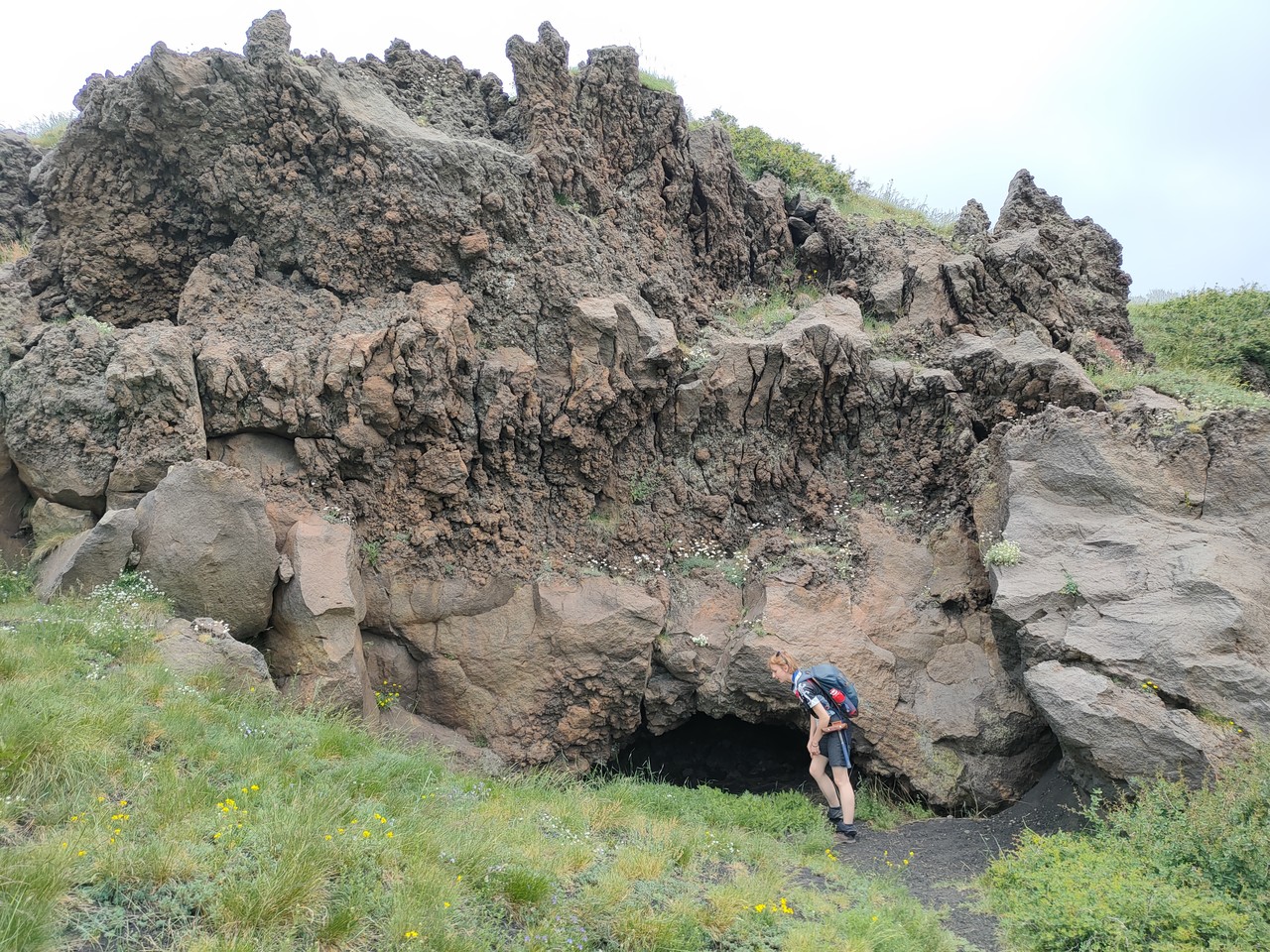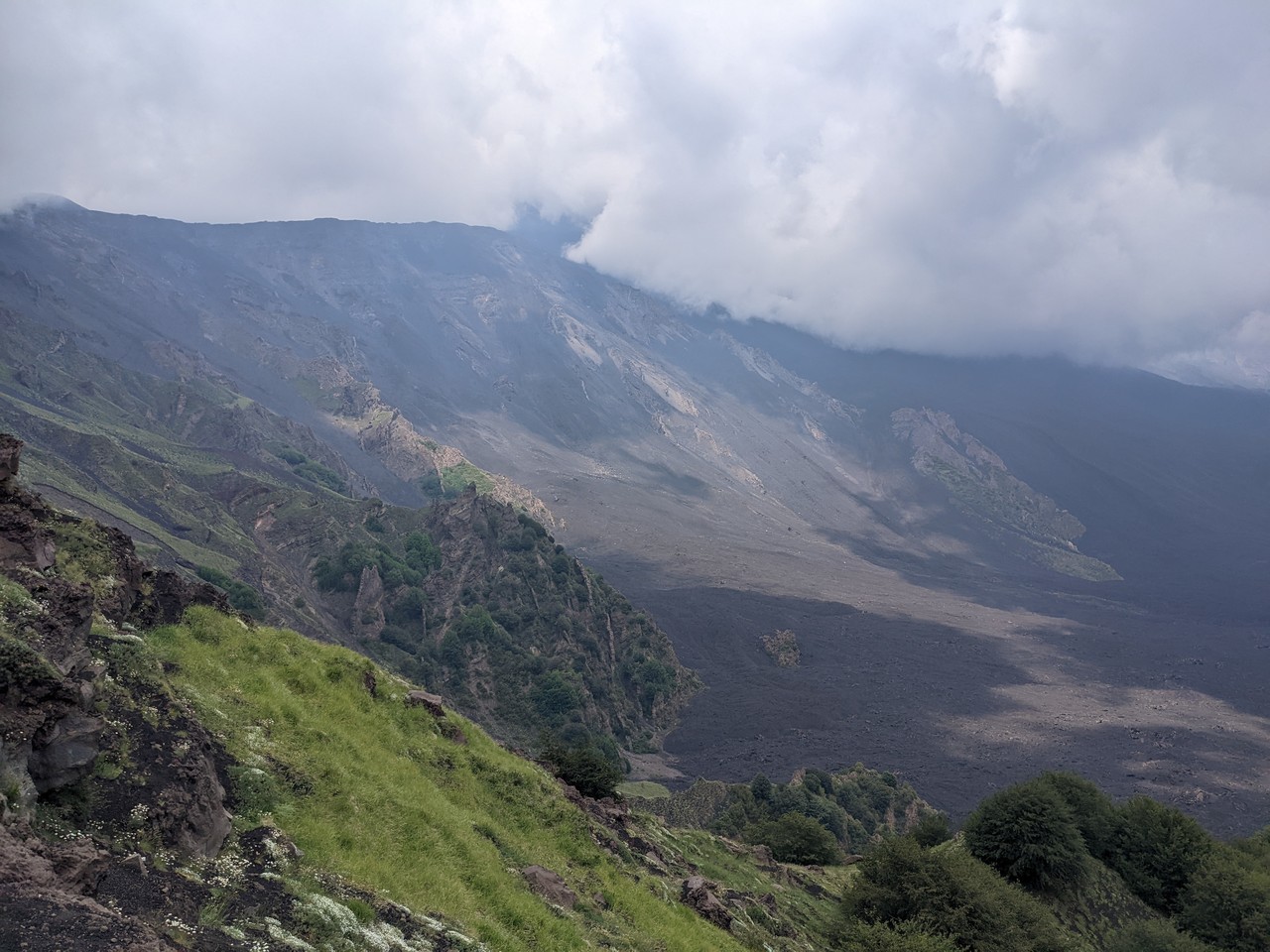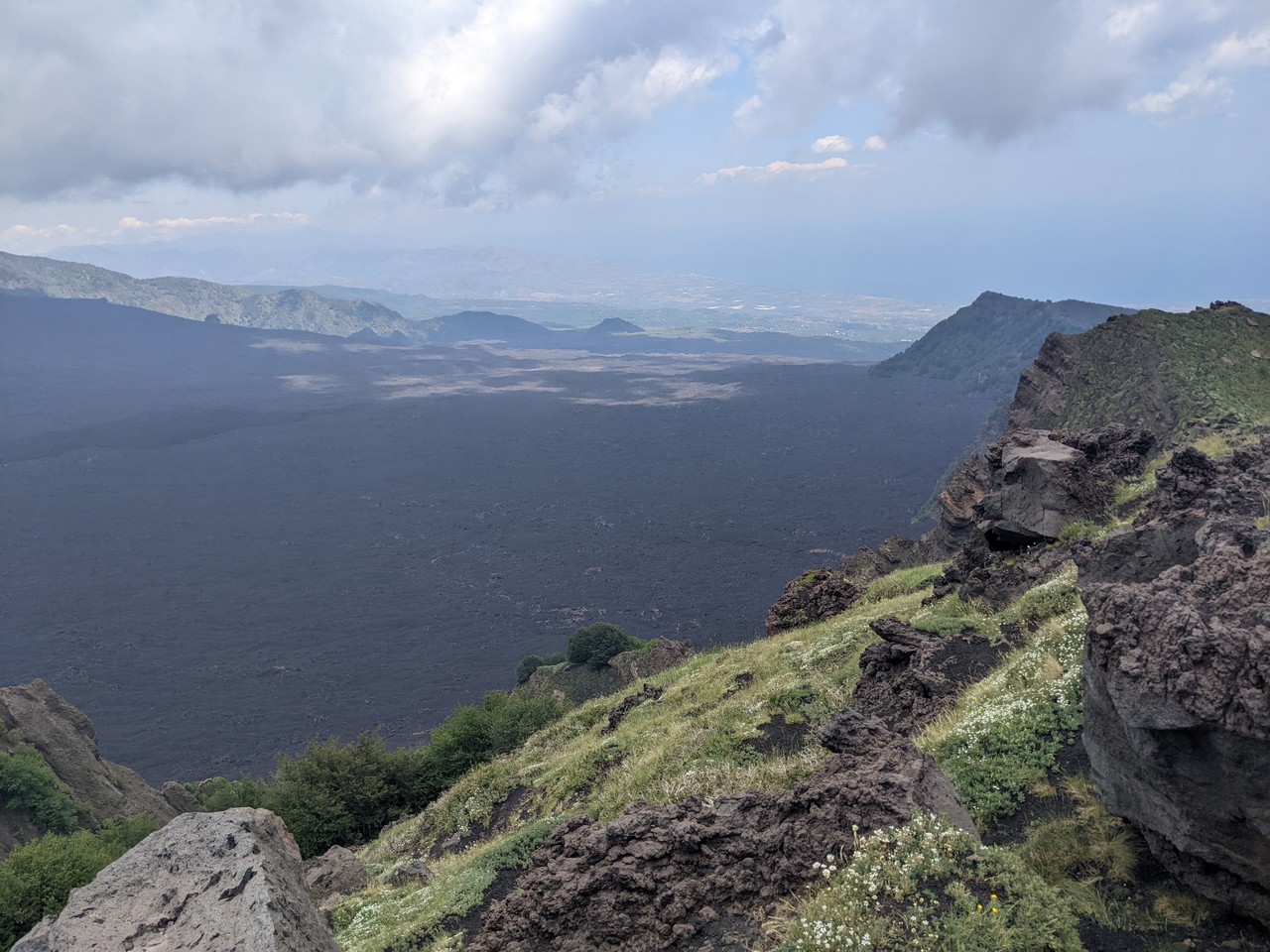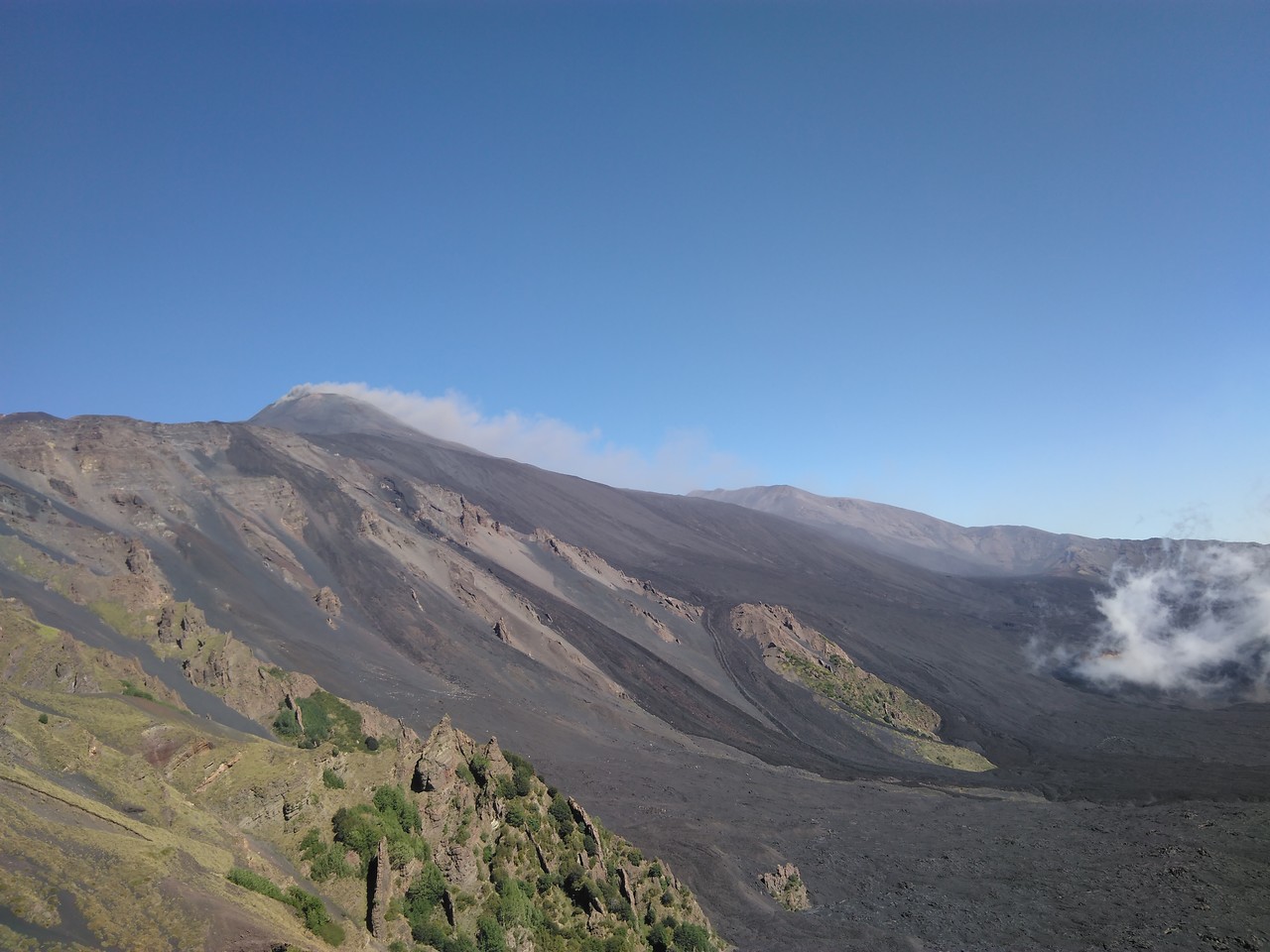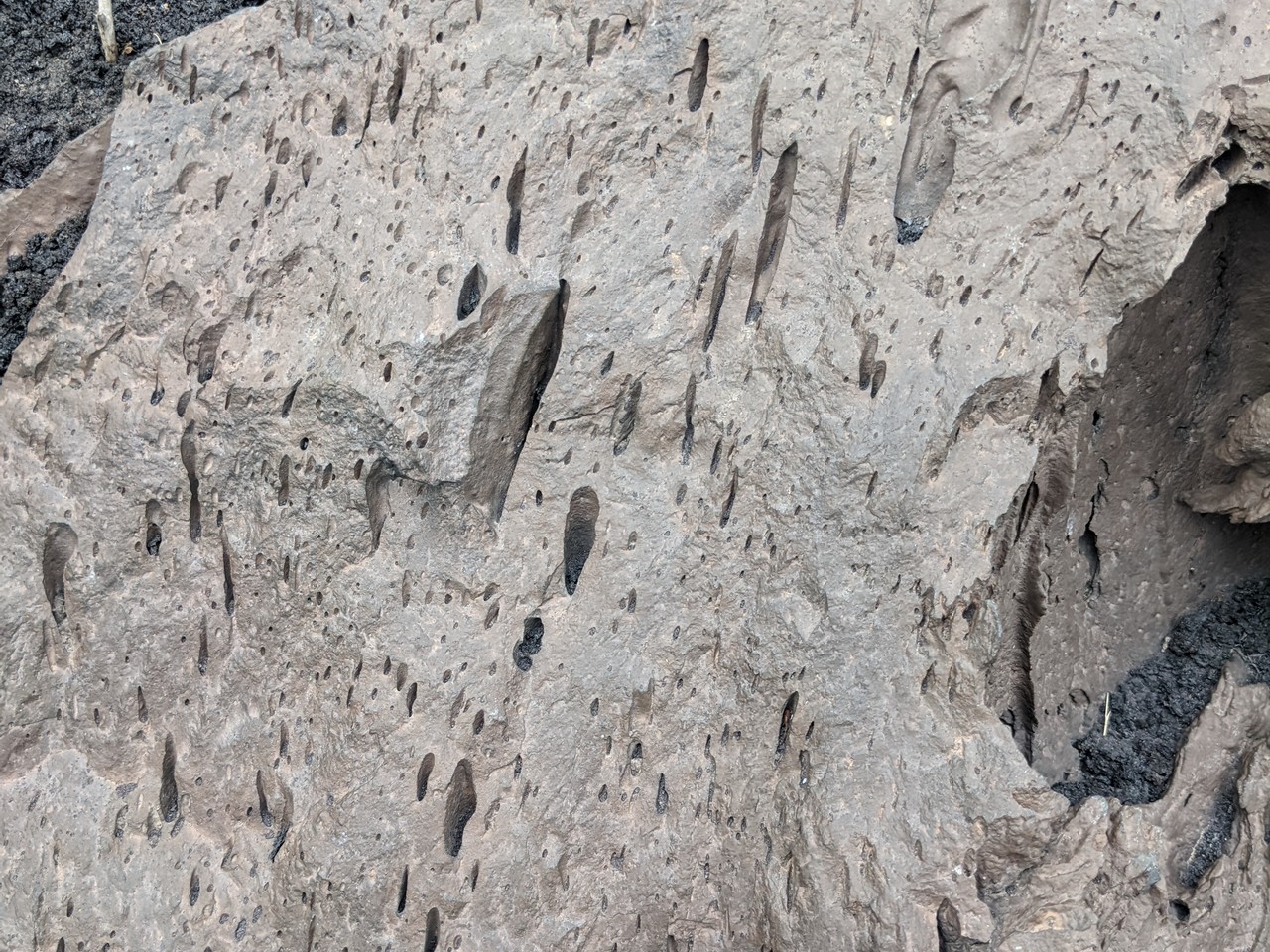
Valle del Bove is a huge caldera, 8km long and 5 km wide, in the eastern flank of the Etna volcano. Around 10 ka ago, a catastrophic collapse of the eastern flank of Mount Etna caused the formation of this valley, where part of the material moved in a form of debris flow towards the sea. This area preserved several products of historical eruptions exposed in the cliff walls surrounding the caldera.
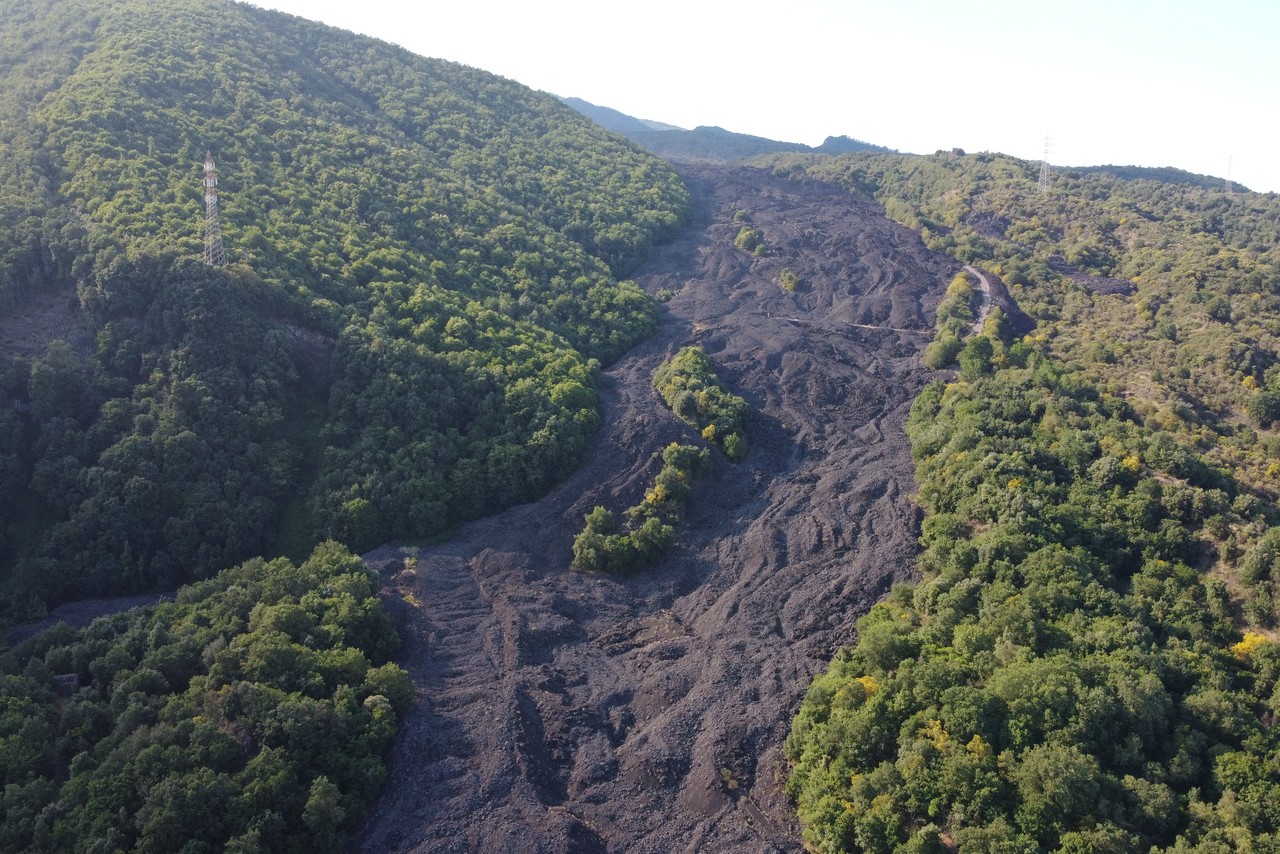
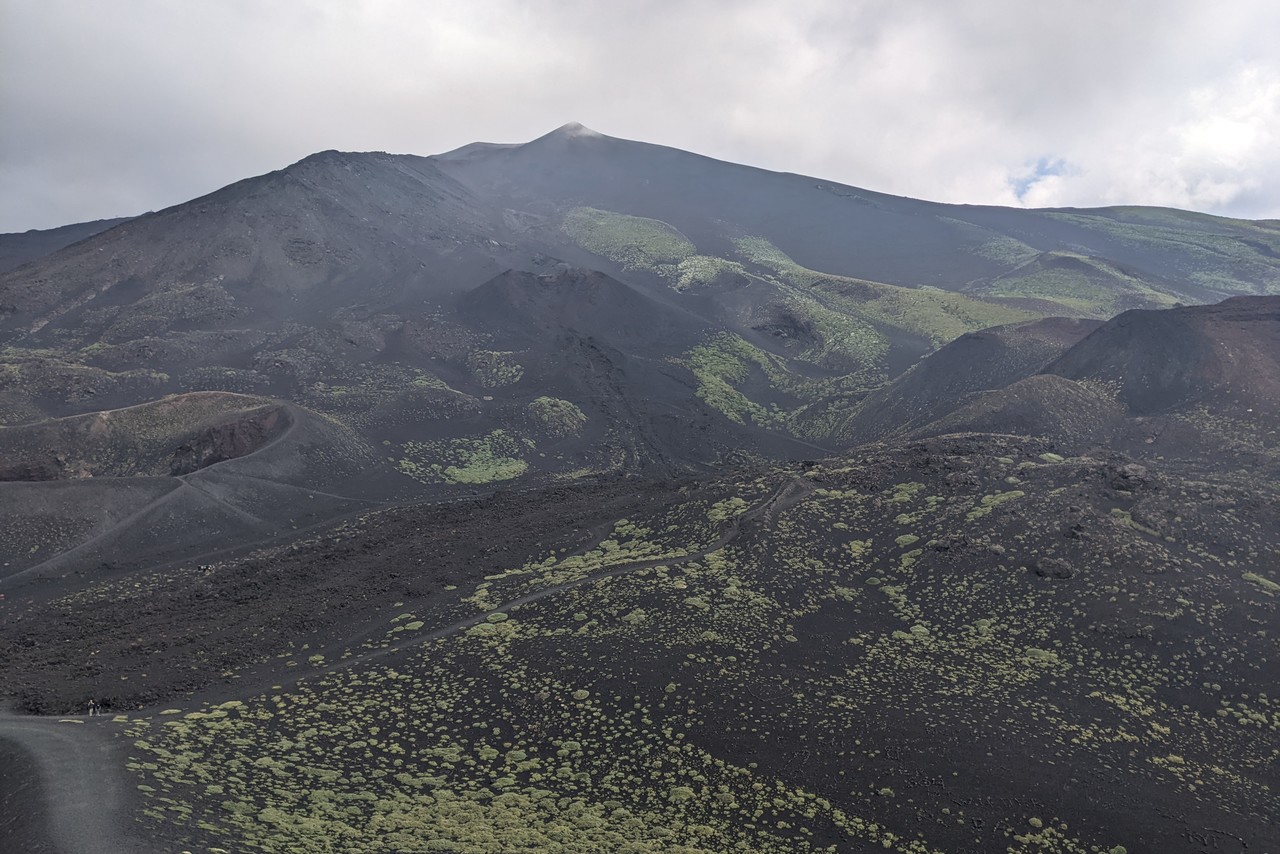
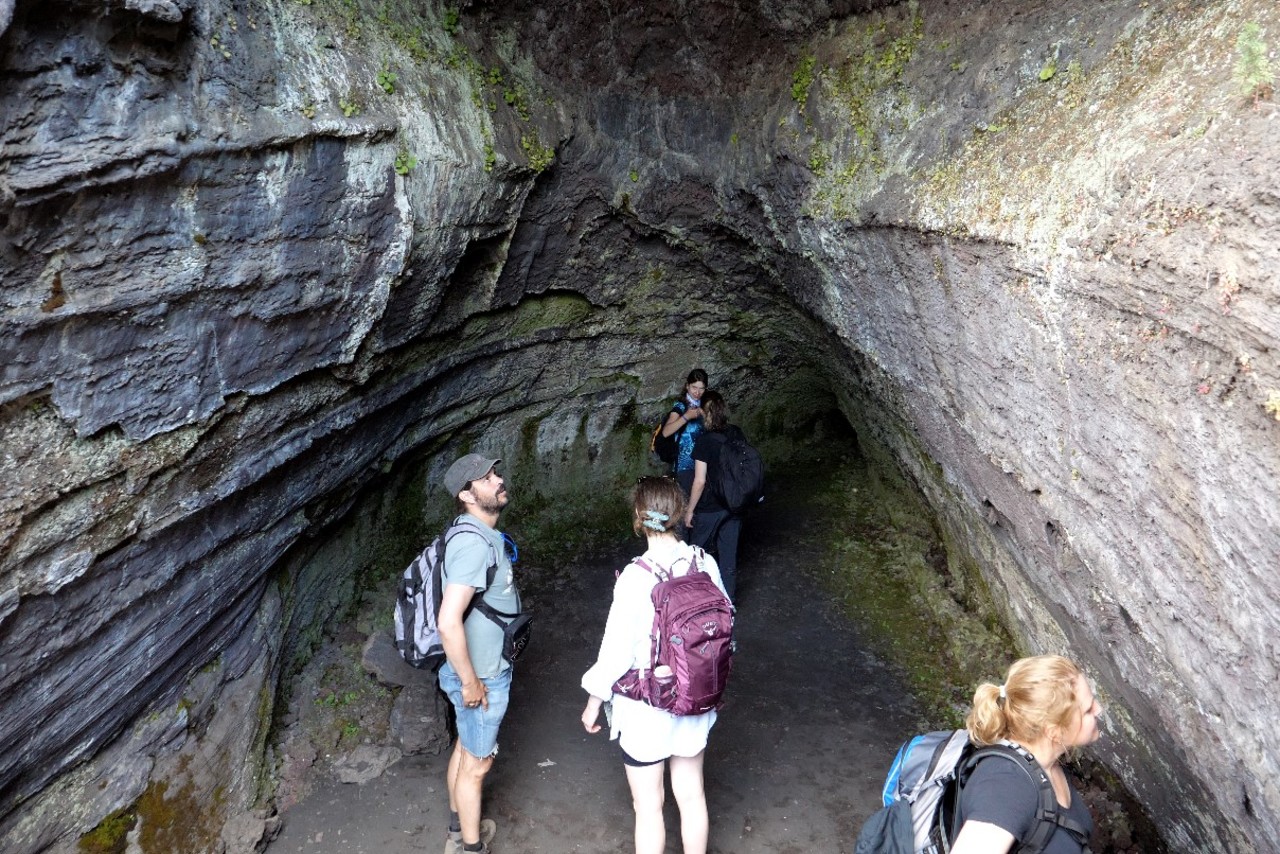
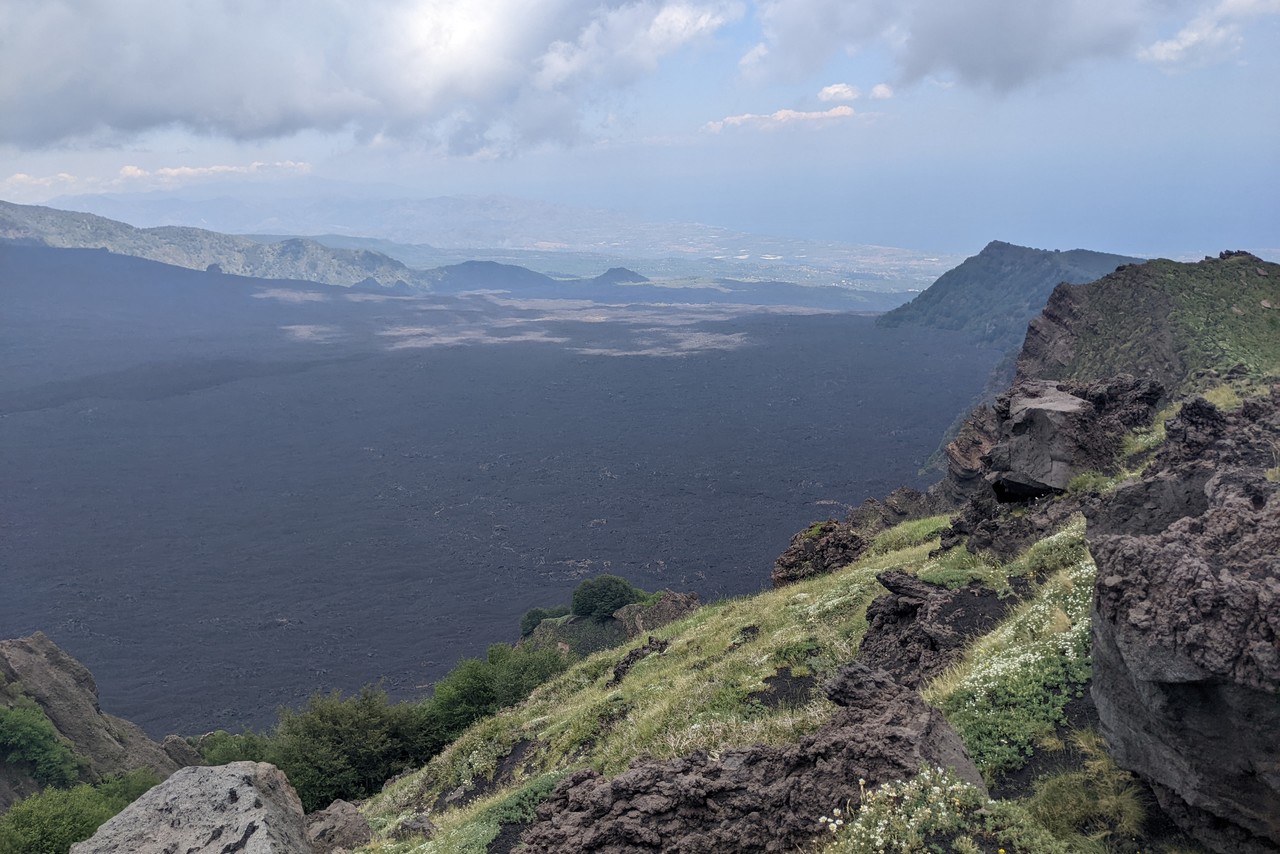
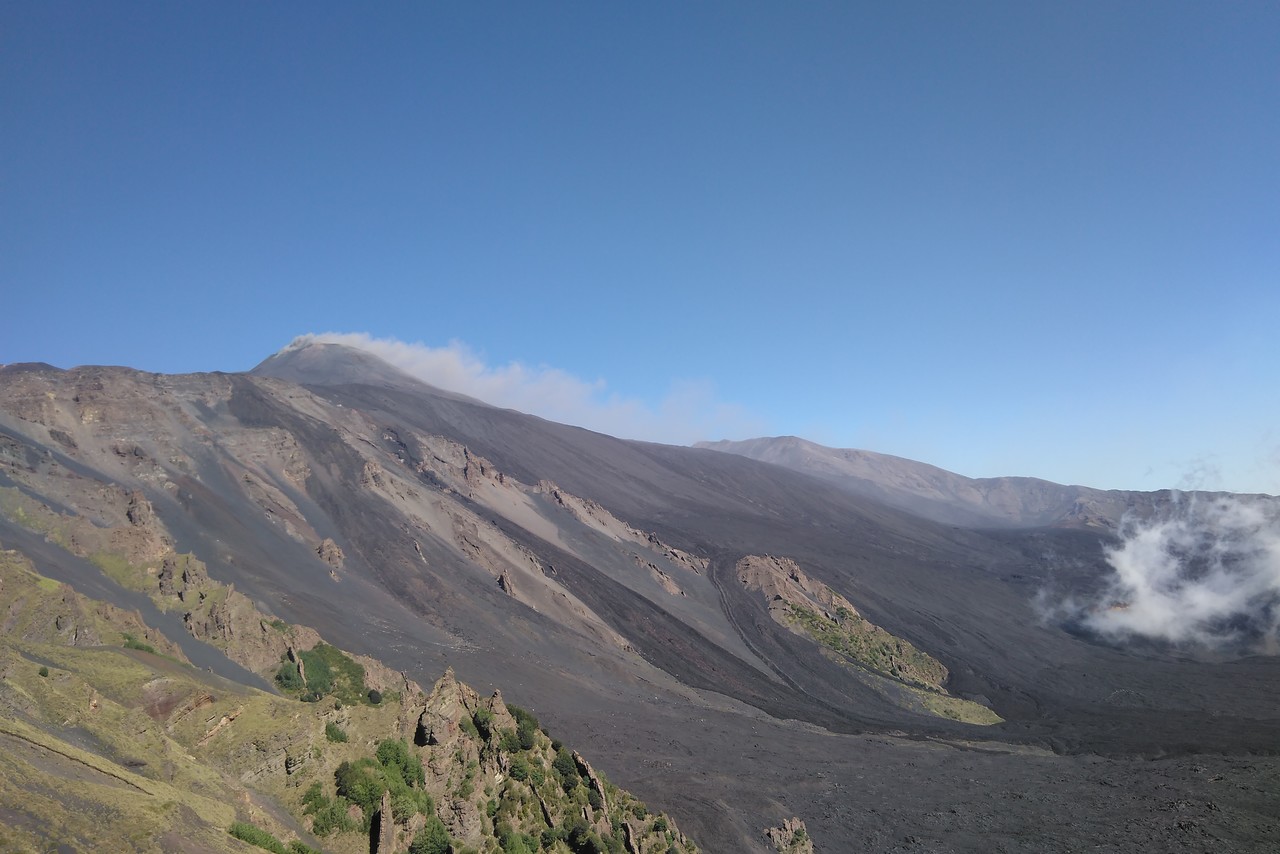
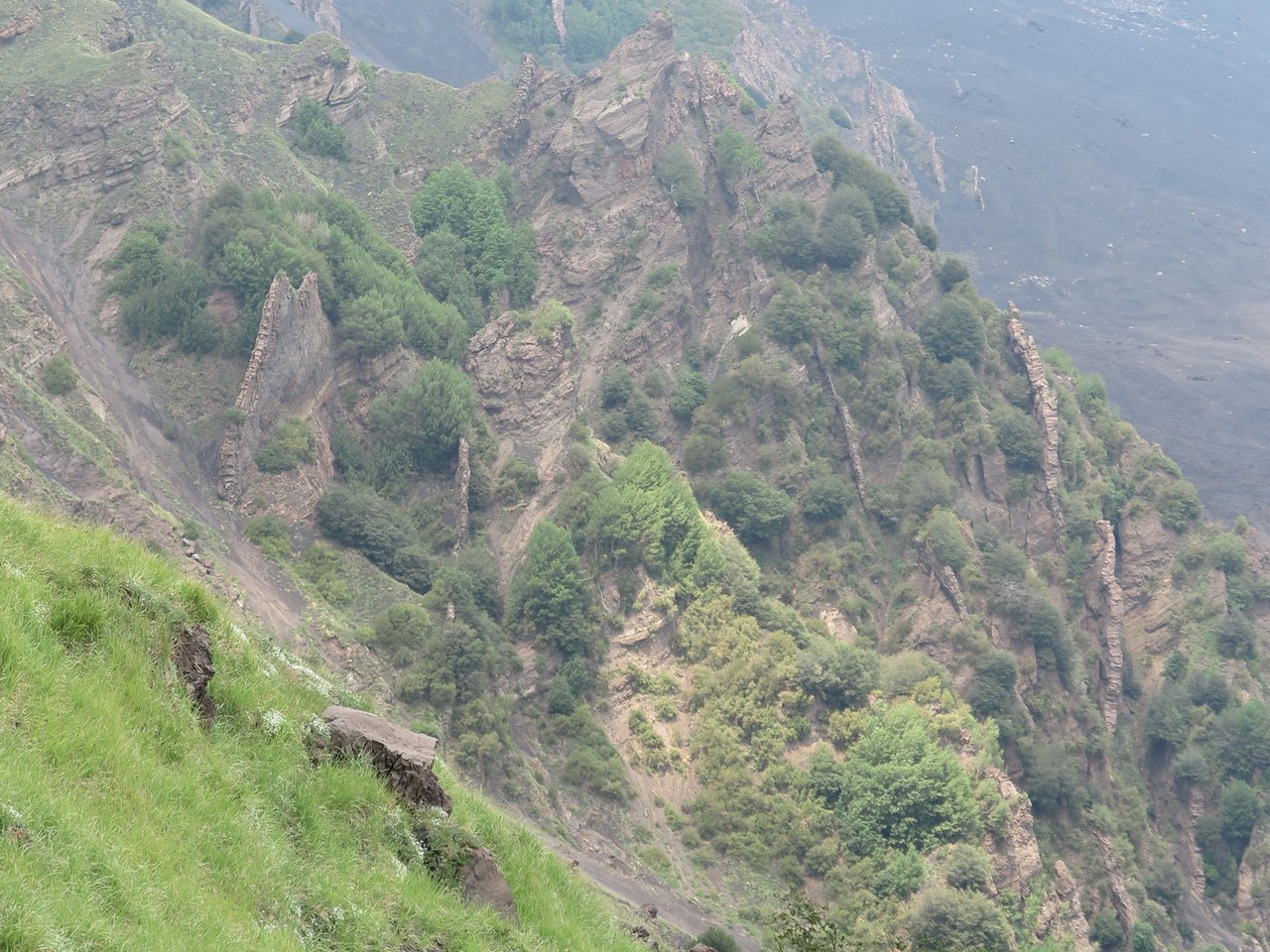
Valle del Bove sequence is a large depression with several rocky elevations taking place in between black tongues of lava flows. These are remnants of a complex of, at least, seven distinct volcanoes. Around 10 thousand years ago, a catastrophic collapse of the eastern flank of Mount Etna caused the formation of this valley, where part of the material moved in a form of debris flow towards the sea. The remnants of ancient volcanoes are characterized by stratified flanks at both sides of the valley. The chemical composition of the volcanic products is changing with time. The silica content increases in the more recent lava. There is also a progressive shift of the eruptive activity towards the northwest.
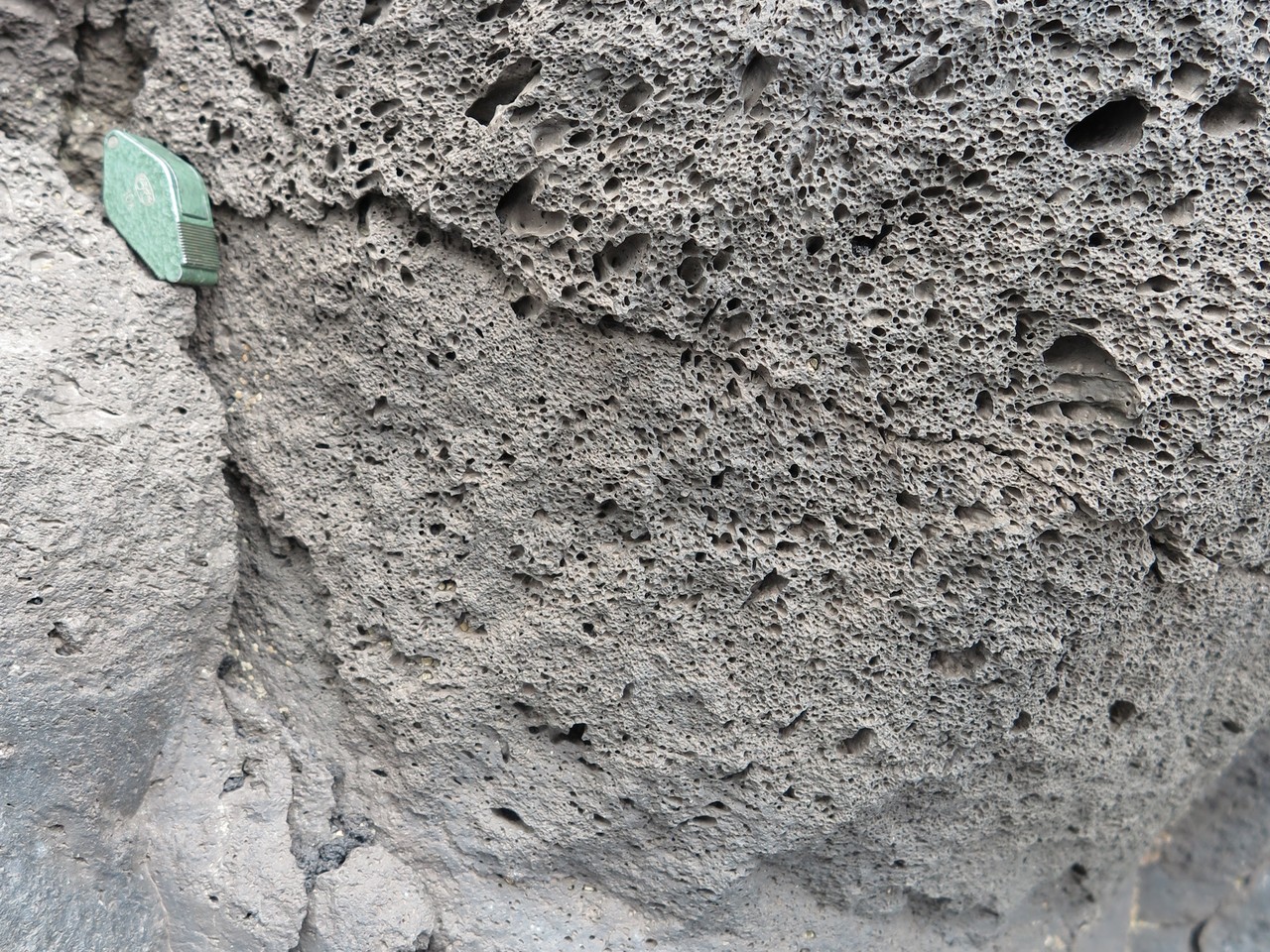
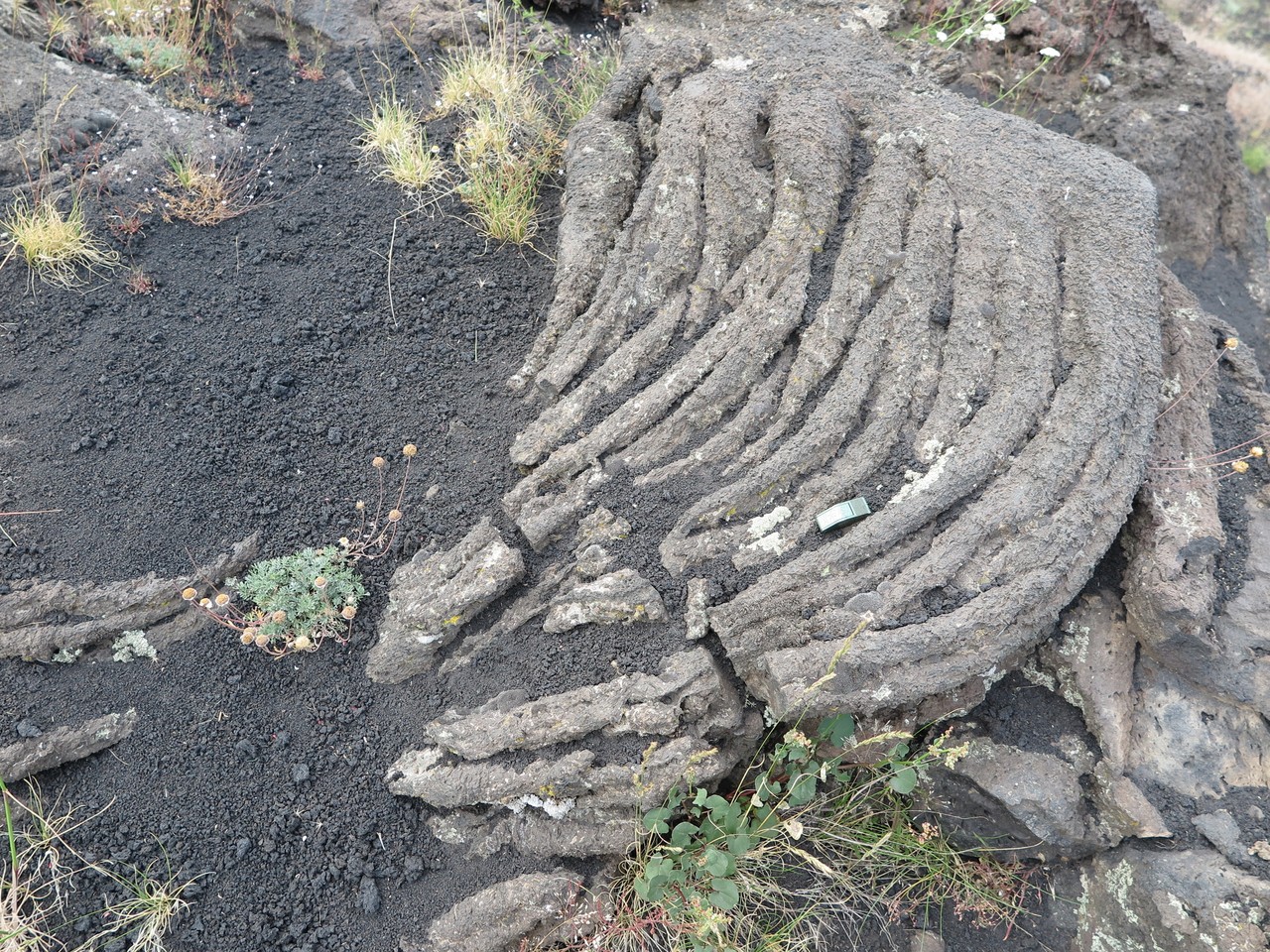
Valle del Bove is a formation showing several stages of Etna history and its chronological events, as illustrated in the timeline in the accompanying figure. Magmatic activity has not been constant during Etna’s history and Valle del Bove is the perfect example of its evolution. The chemical composition of the volcanic products is changing with time. The silica content increases towards more recent lavas. There is also a progressive shift of the eruptive activity towards the northwest. The first stage, till ca 60 ka ago, is named as the Valle del Bove sequence. The volcano started to growth slowly and emitted mafic volcanic products at this time, with abundant pyroxene crystals. Then multiple vertical dykes began to intrude the edifice, cutting the Valle del Bove sequence. After 60 ka, the stabilization of the plumbing system led to the Elittico period, corresponding to the maximum stage of the edifice growth. Ellitico activity ended after caldera-forming Plinian eruptions 15ka ago. This stage is only observed in the south side of the flank. Crystals composition is more felsic. Finally, the Mongibello volcano has been formed during the last 15 ka. It is mostly the current volcano surface, characterized by lava flows (2001 eruptions, as an example, which flew over the dykes and Valle del Bove unit).