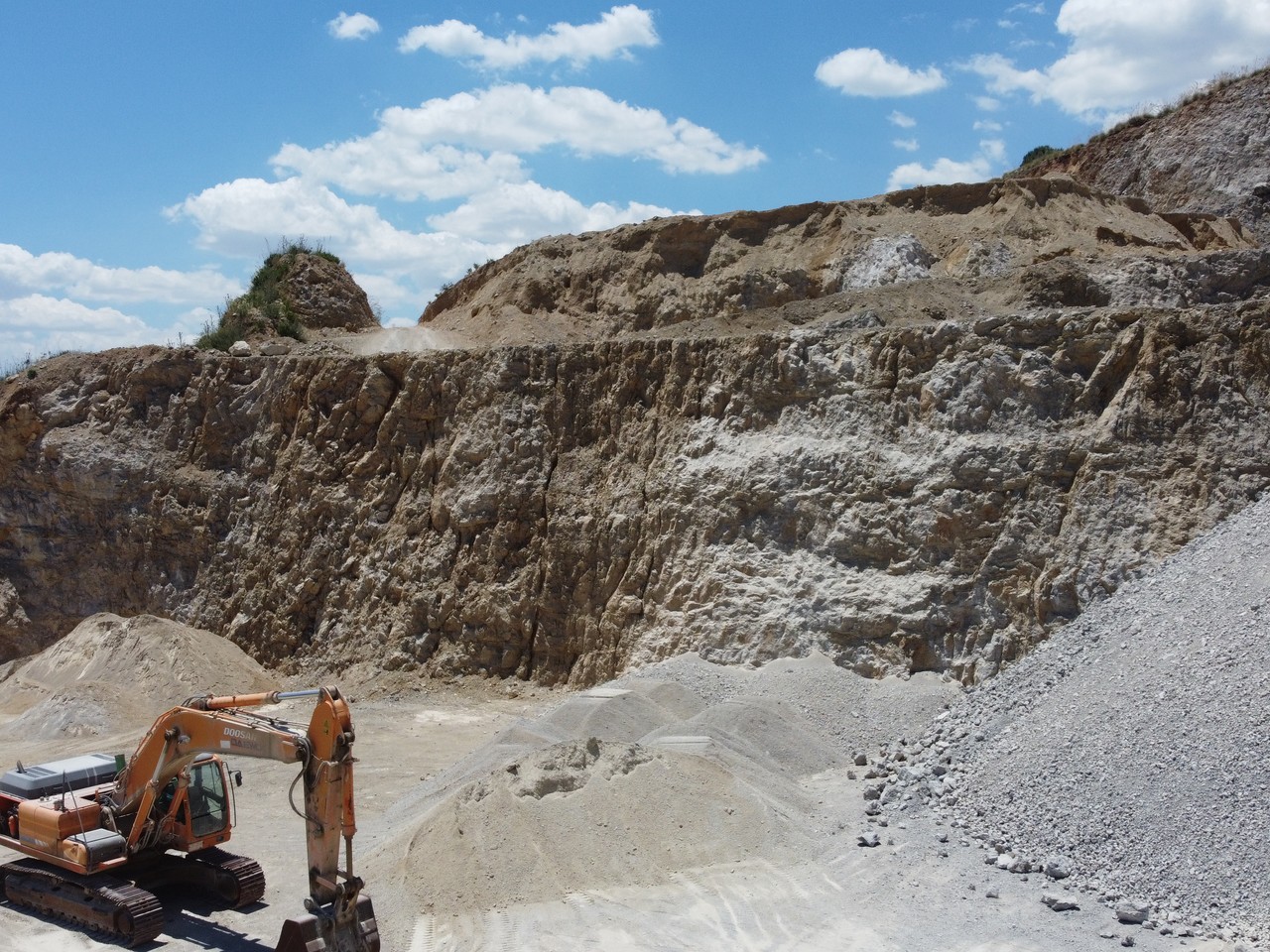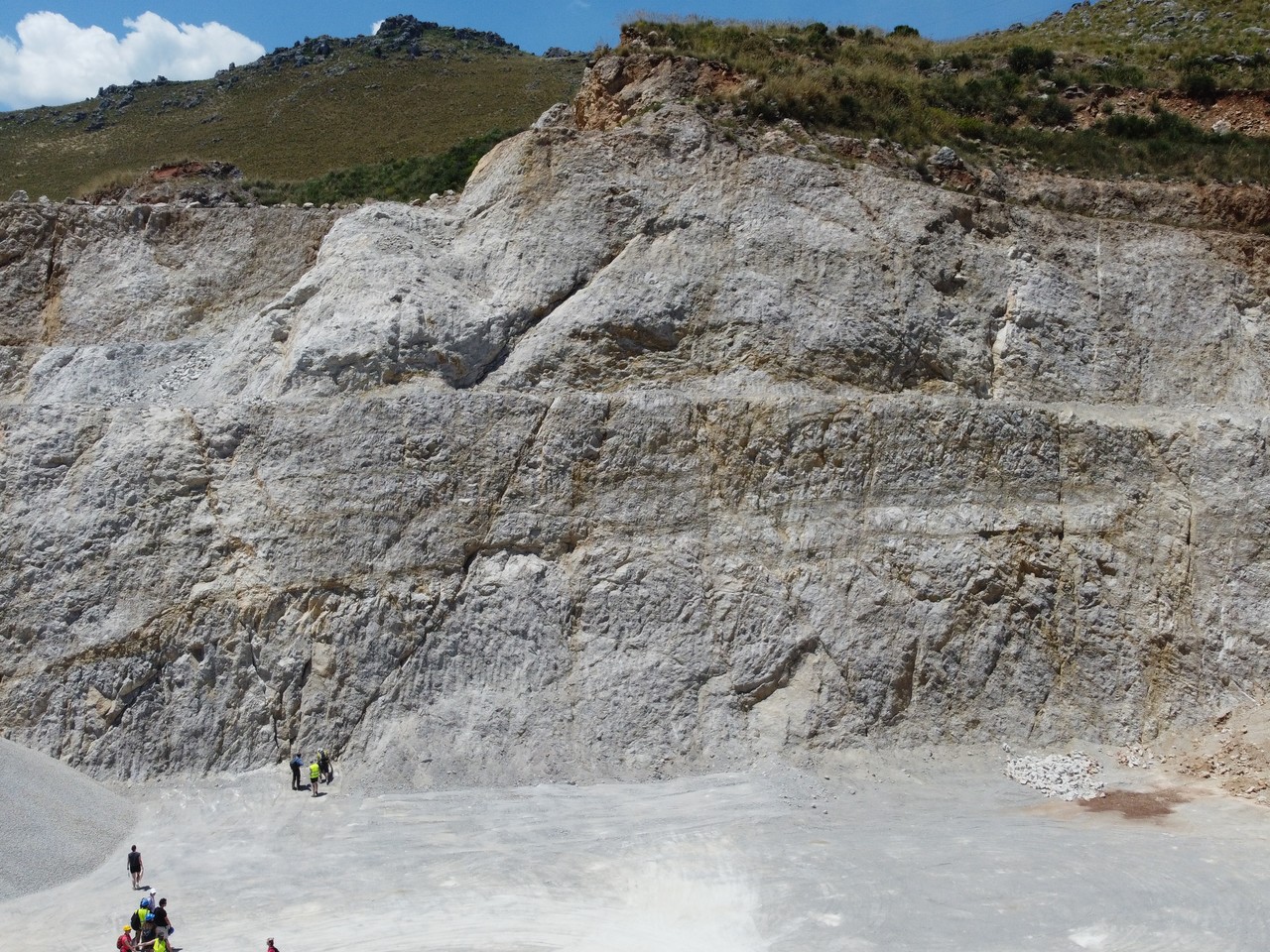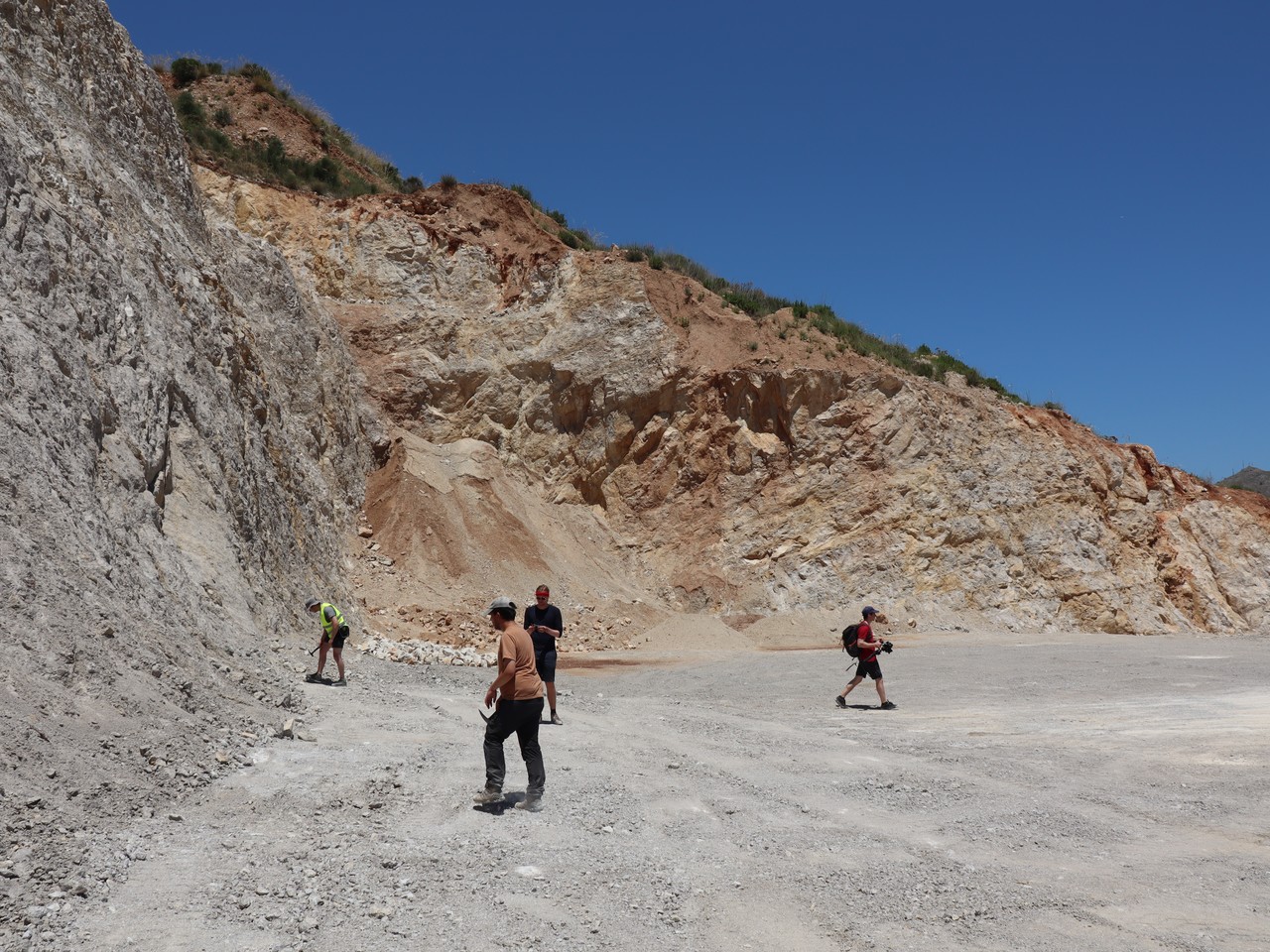
Cozzo Paparina attest to the story of the Carnian Pluvial Event (CPE) during Triassic times. The Carnian Pluvial event marks the transition to a modern carbon cycle, in which oceans contribute with a strong buffering capacity: dinosaurs conquering a primary role in terrestrial ecosystems, scleractinian corals became significant components of ecological reefs, calcareous nannoplankton only became abundant after the CPE.Outcrop displays slightly folded section of about 20 meters can be found, showing mainly yellow marls, silty marls intercalated by marly limestones. This section displays a lot of parallel laminations, some SCS-like (swaley cross stratification) and wavy laminations, as well as cone-m-cone structures.An Upper Camian age (youngest), up to late Tuvalian, can be attributed to Cozzo Paparina. attests to the induction of siliciclastics caused by erosion of the 2 million years of downpour into the oceans, leading to obscurity and unhealthy conditions for carbonate development.
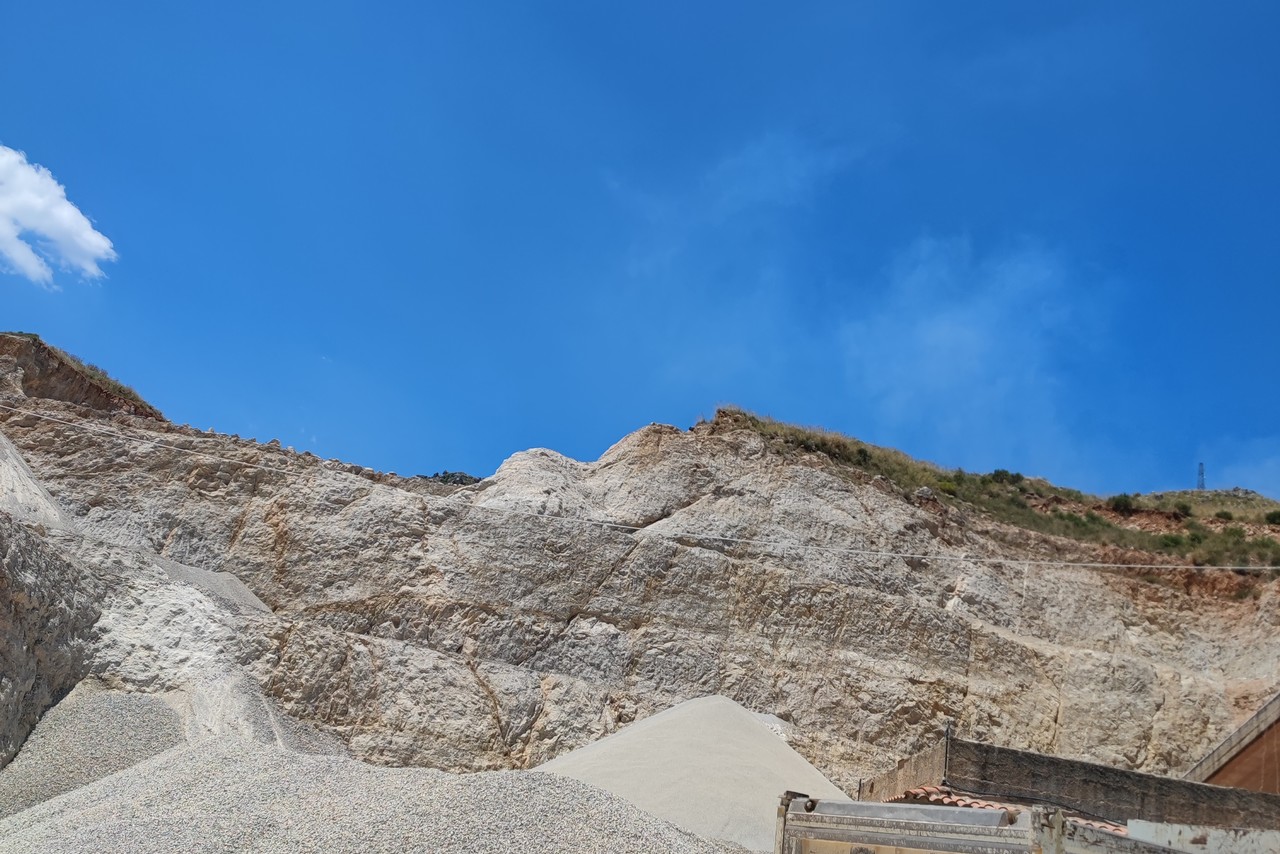
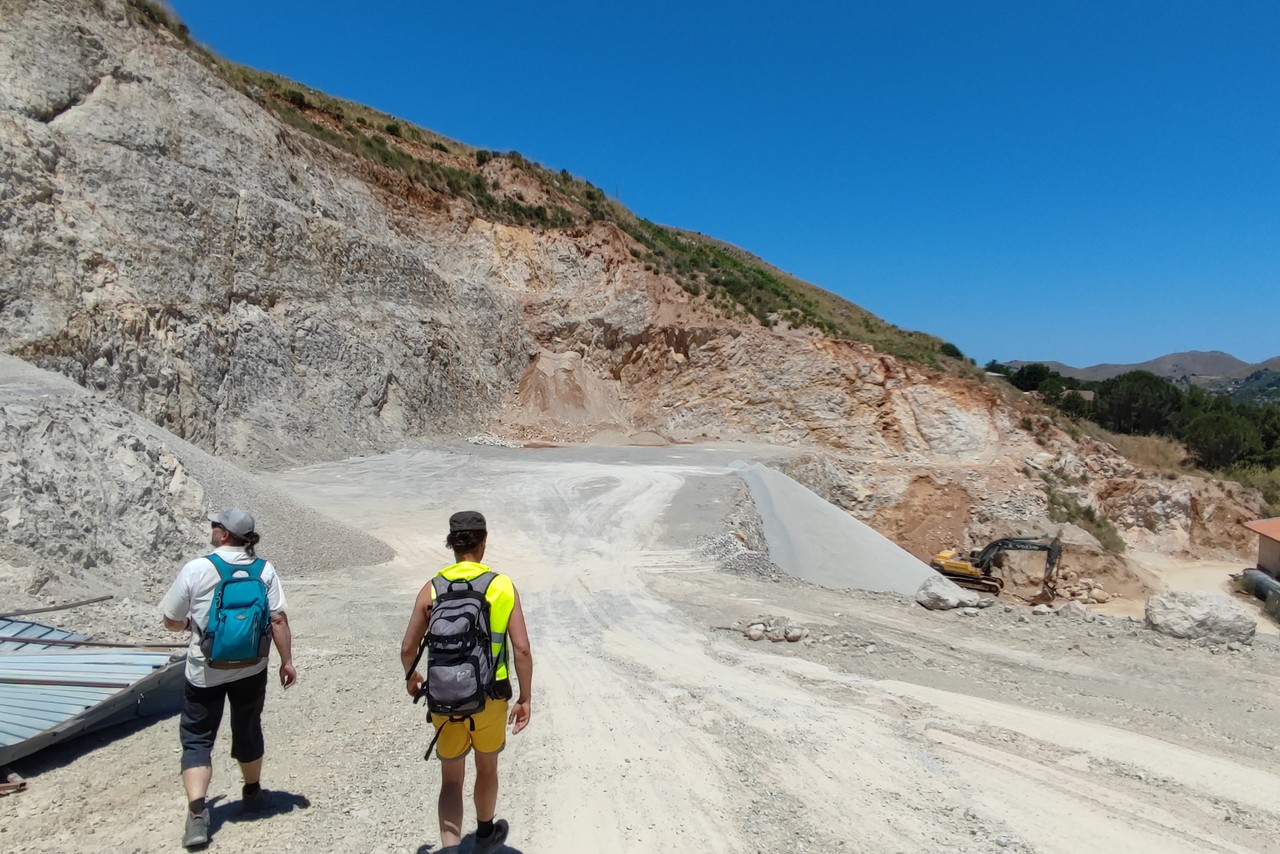
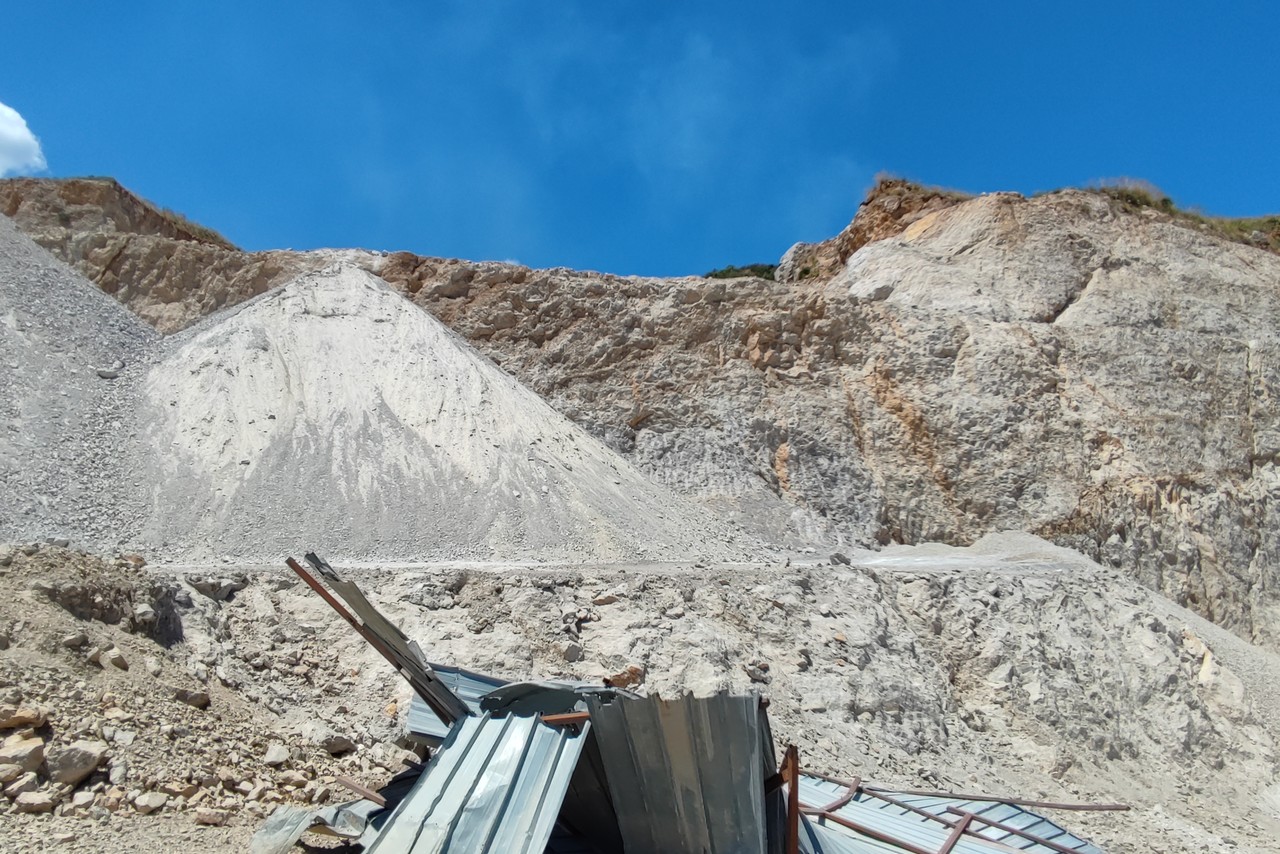
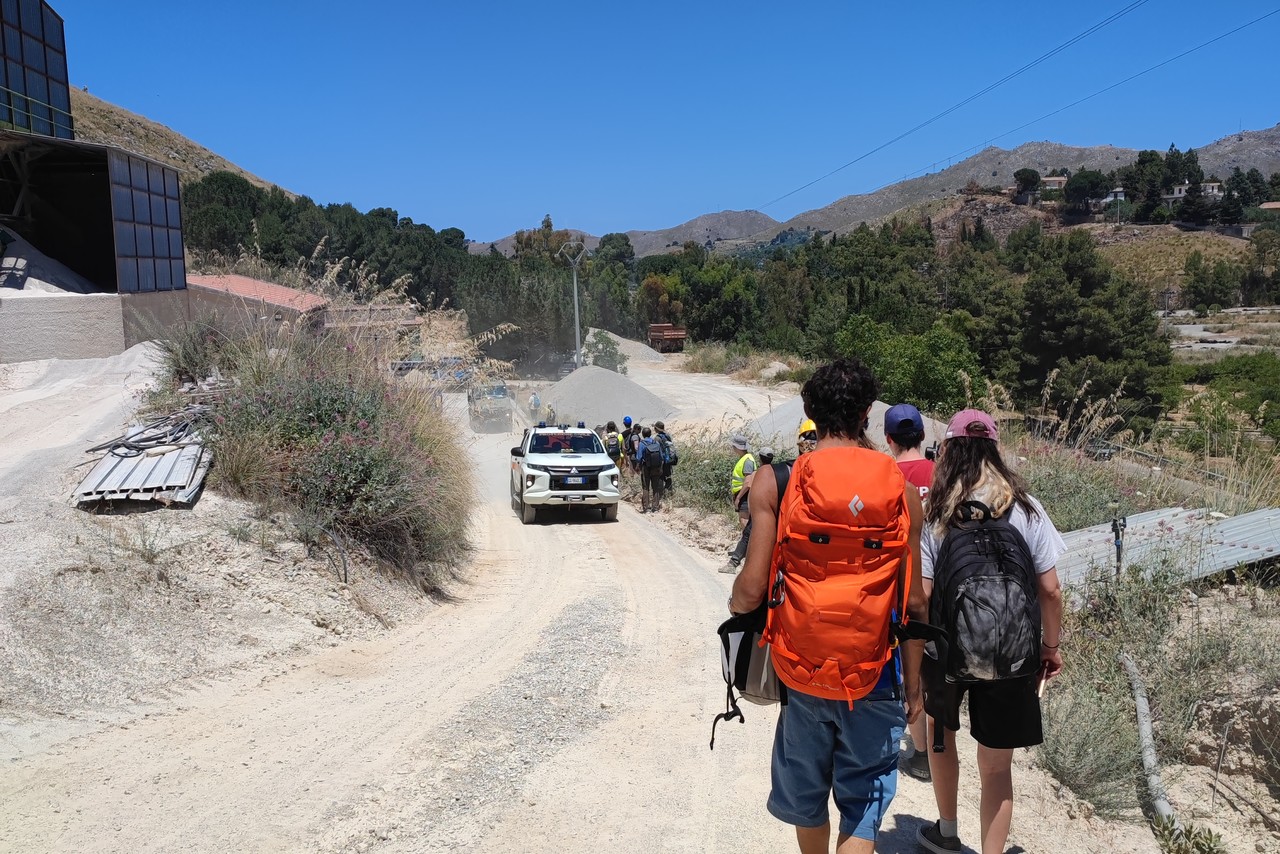
In the Carnian period during the late stage of the Triassic approximately between 250 to 228 million years ago during the middle of the Carnian stage, we had a global climatic event which lasted for roughly million years which involved heavy rain and overall humid conditions which provided enhanced weathering influx during this time.Along with an elevated flux of siliciclastic material, an increase in nutrients delivered to the oceans also occurred.As a consequence of this, two things happened: firstly, shores and shelves became mesotrophic. Secondly, Because of the higher-than-normal siliciclastic waters, the oceans would become clouded and obscured resulting in unhealthy conditions for pre-existing carbonate platforms which would otherwise thrive in clear, oligotrophic conditions.Subsequent demise of the carbonate platforms can be observed during the Carnian event where the carbonate platforms of this time period begin to shrink with noticeable smaller and thinner beds. Cozzo Paparina follows the latest part of this event and the subsequent recovery into normal conditions. The Locality is composed of carbonate material from the Top Carnian into the Norian epochs of the Triassic.The so-called Carnian Pluvial Event (CPE) is a vital period and during this time, a great bio-diversification radiated in both terrestrial as well as marine environments which included dinosaurs, calcareous nannofossils, corals and conifers. The site of Pizzo Mondello follows the events of the CPE displaying massive healthy limestone blocks related to the recovery of carbonate reefs displaying as the precipitation and related erosional flux came to a halt.