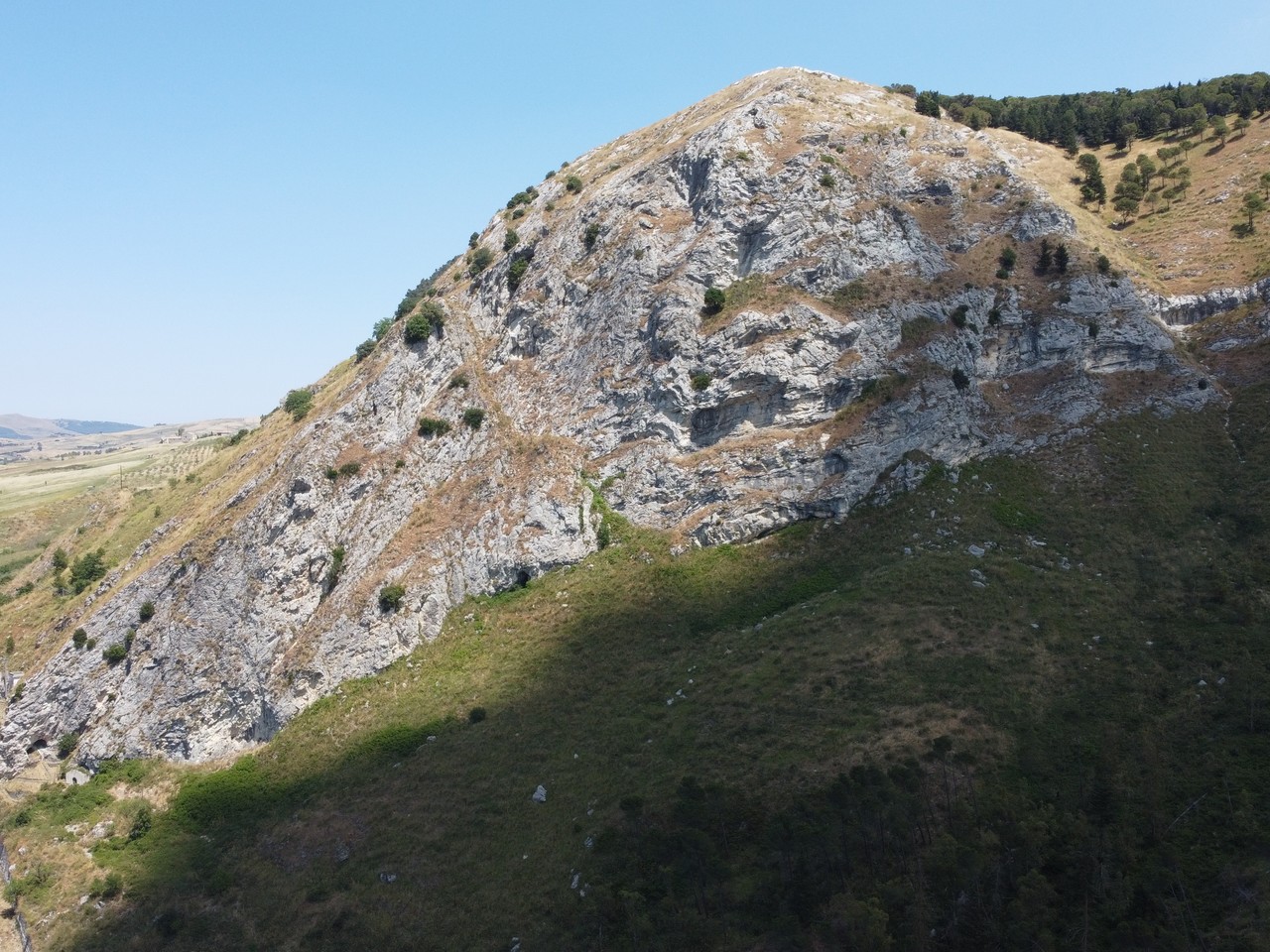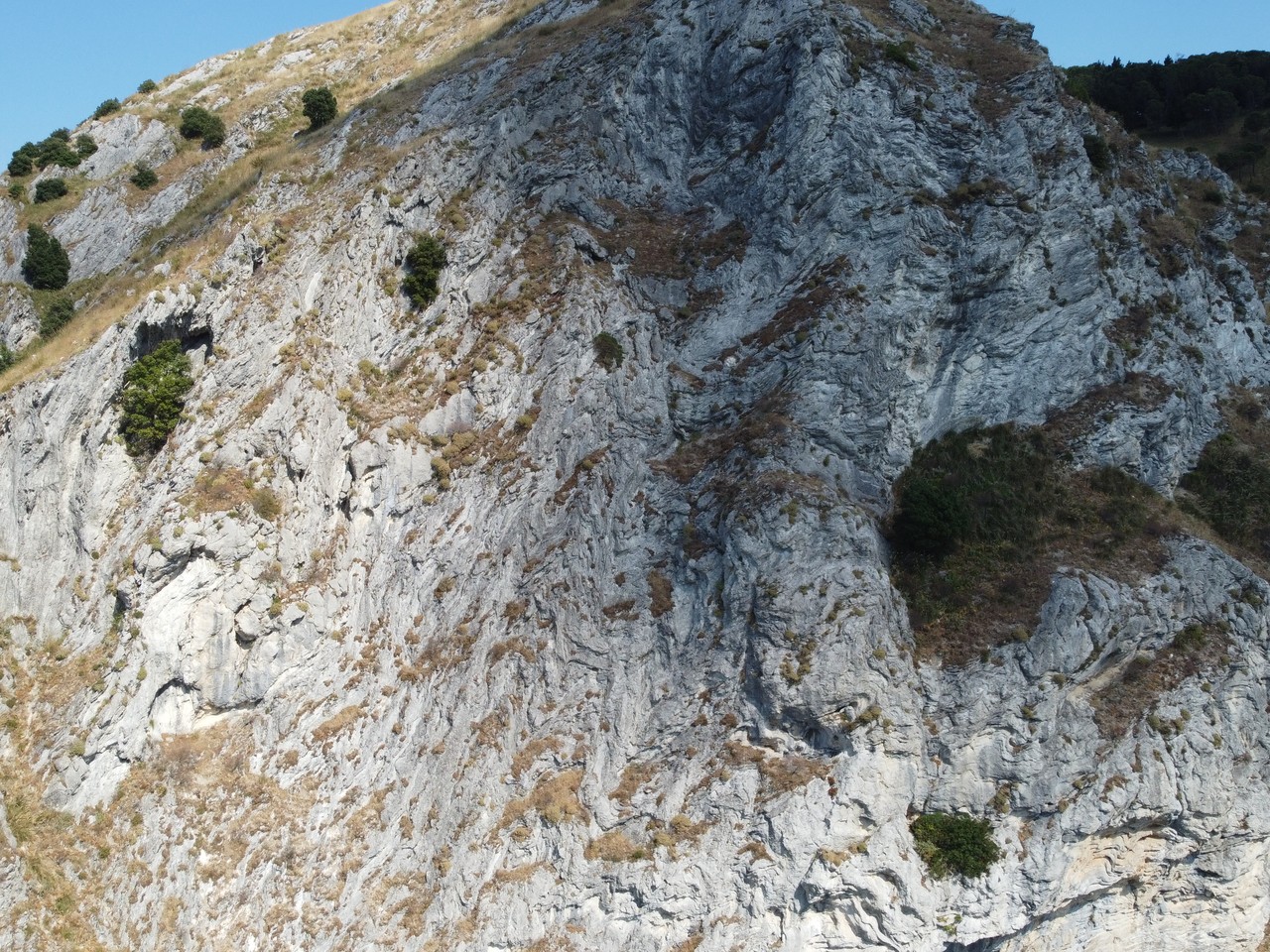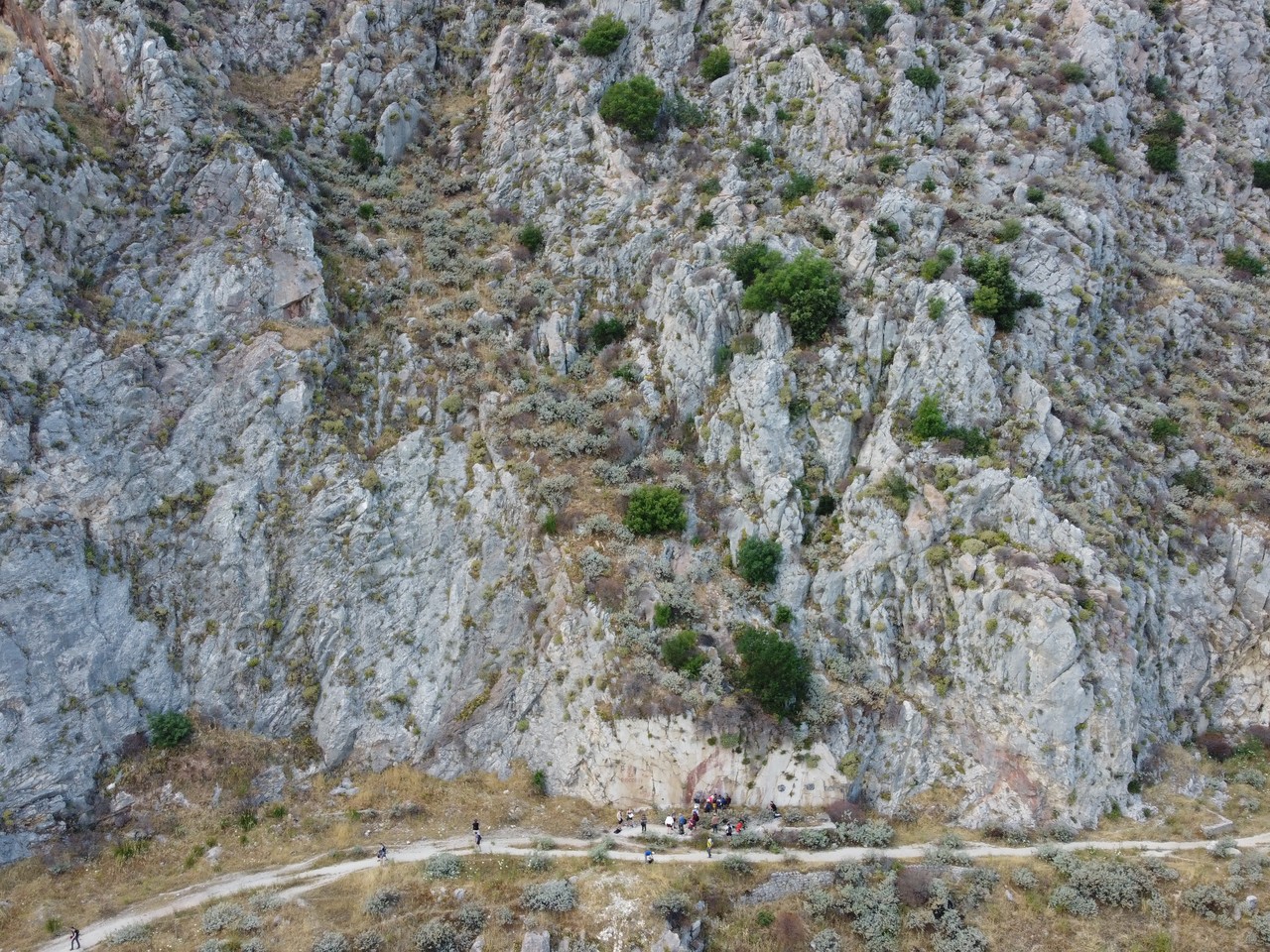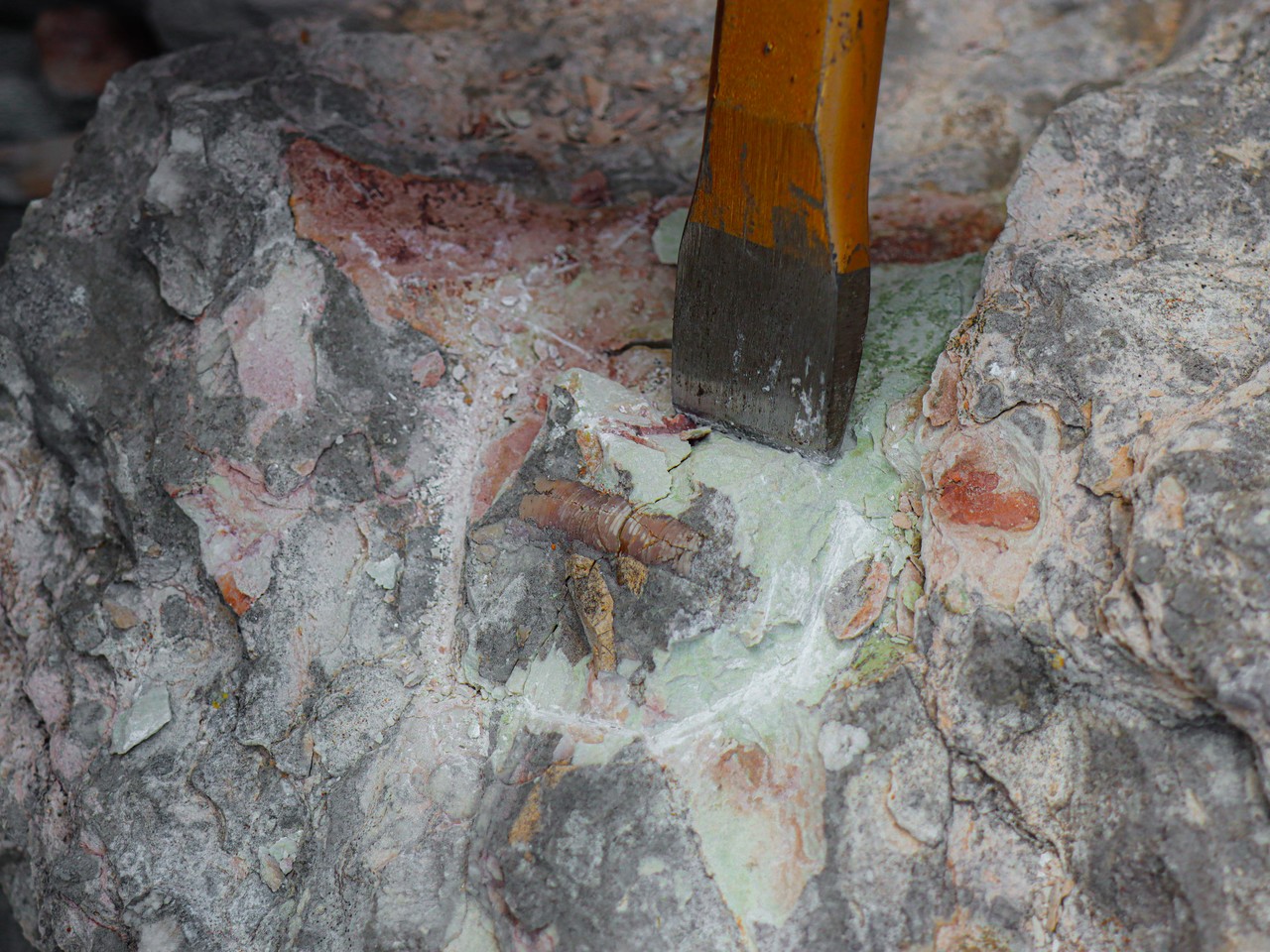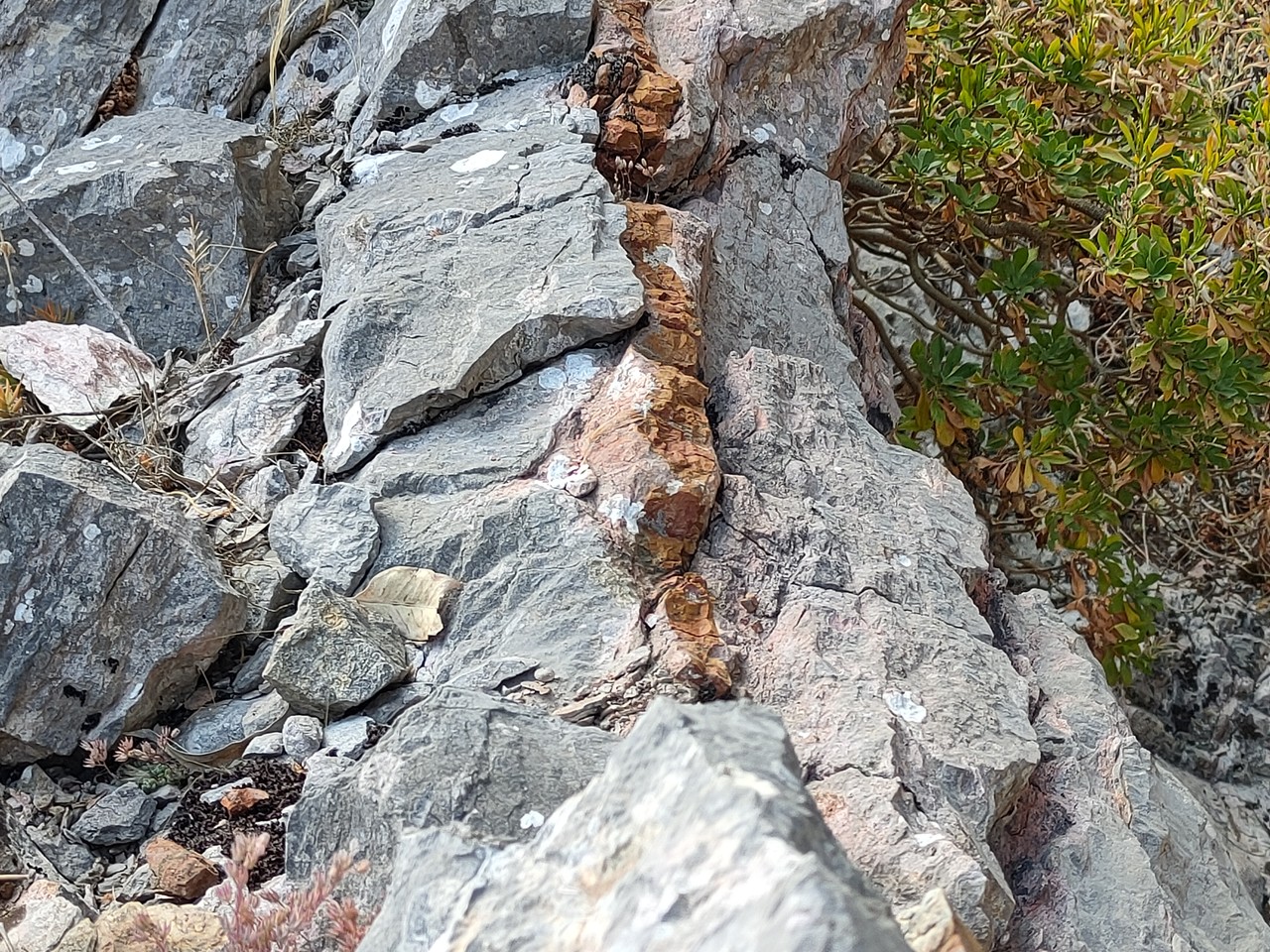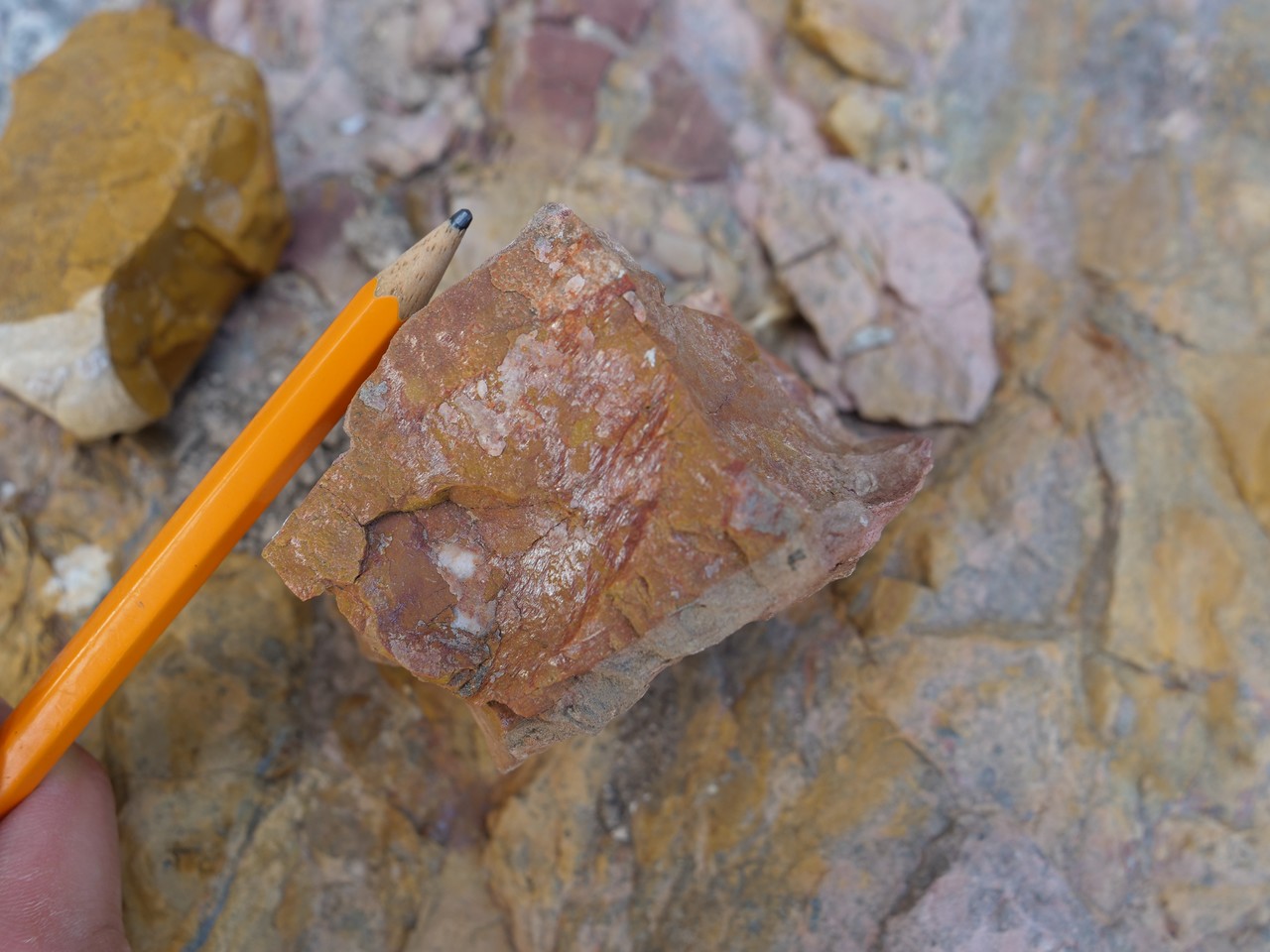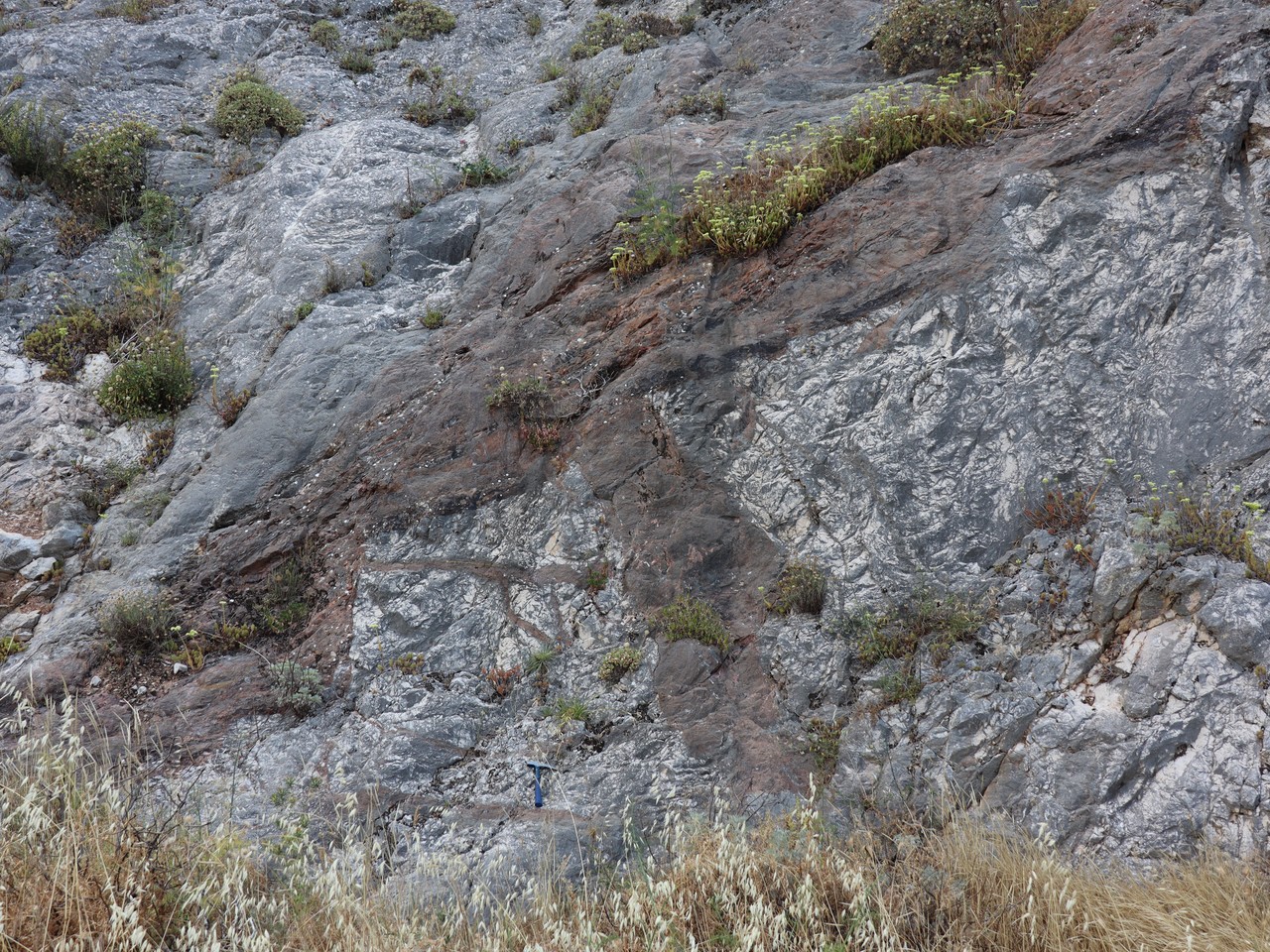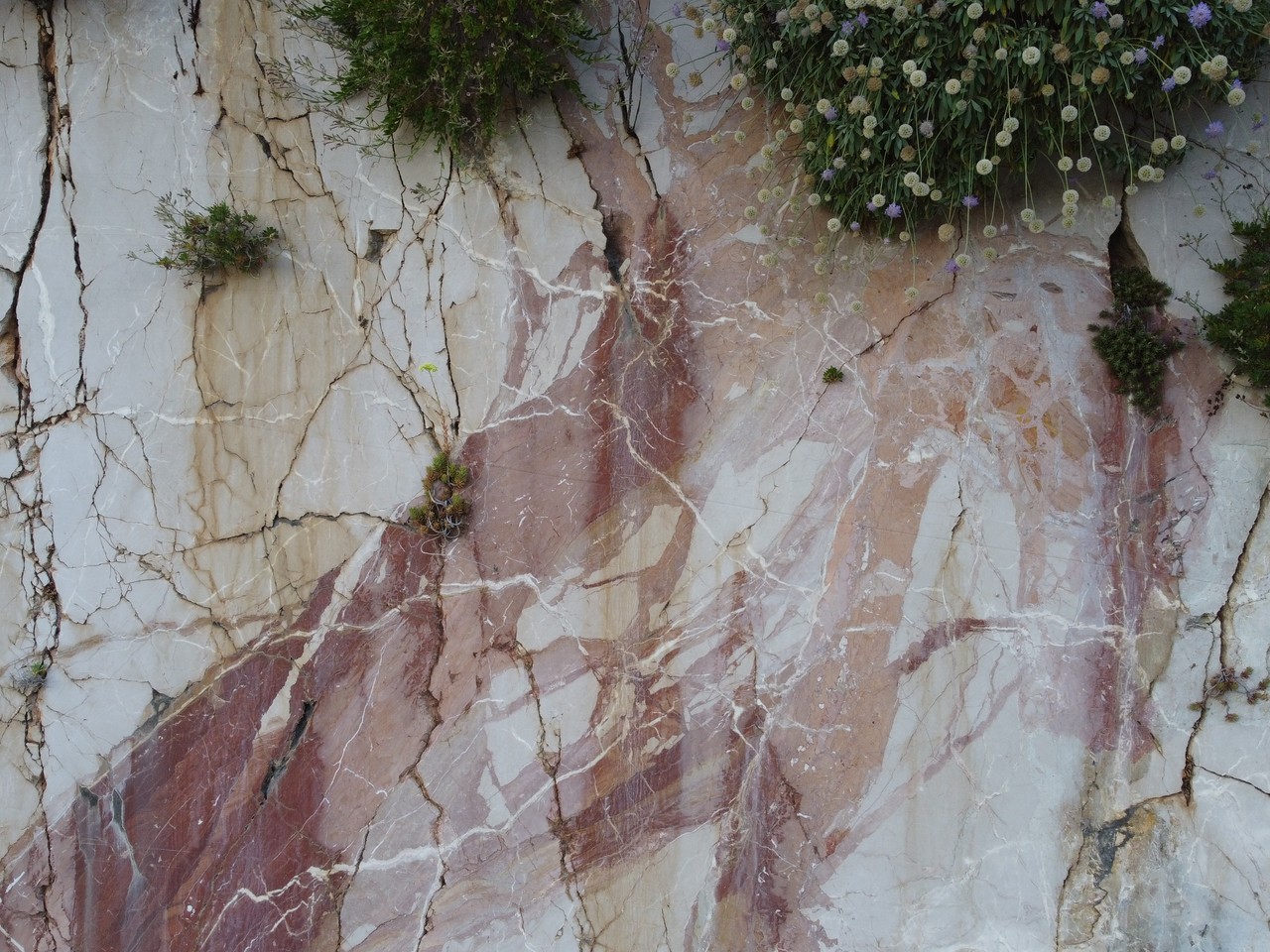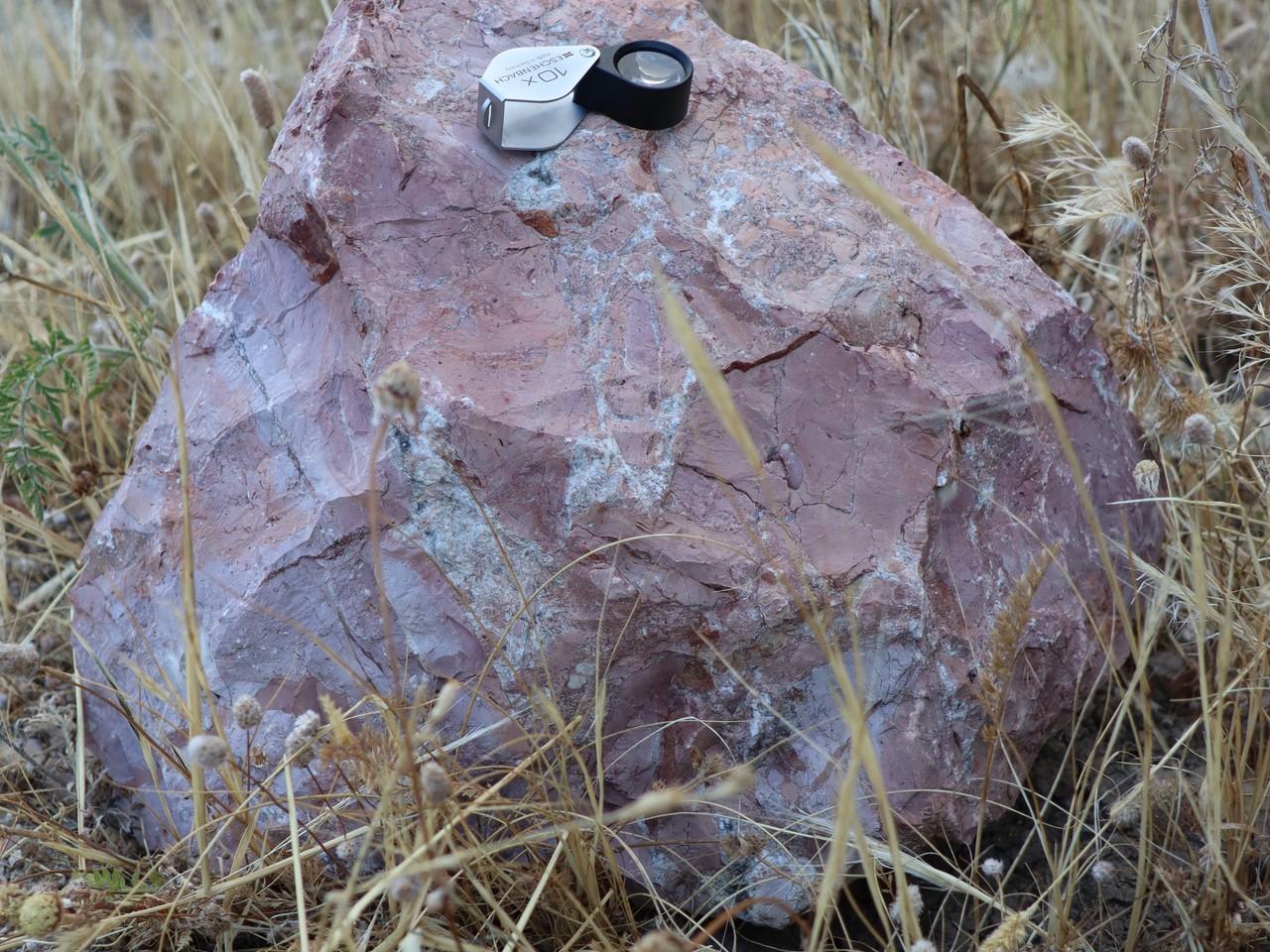
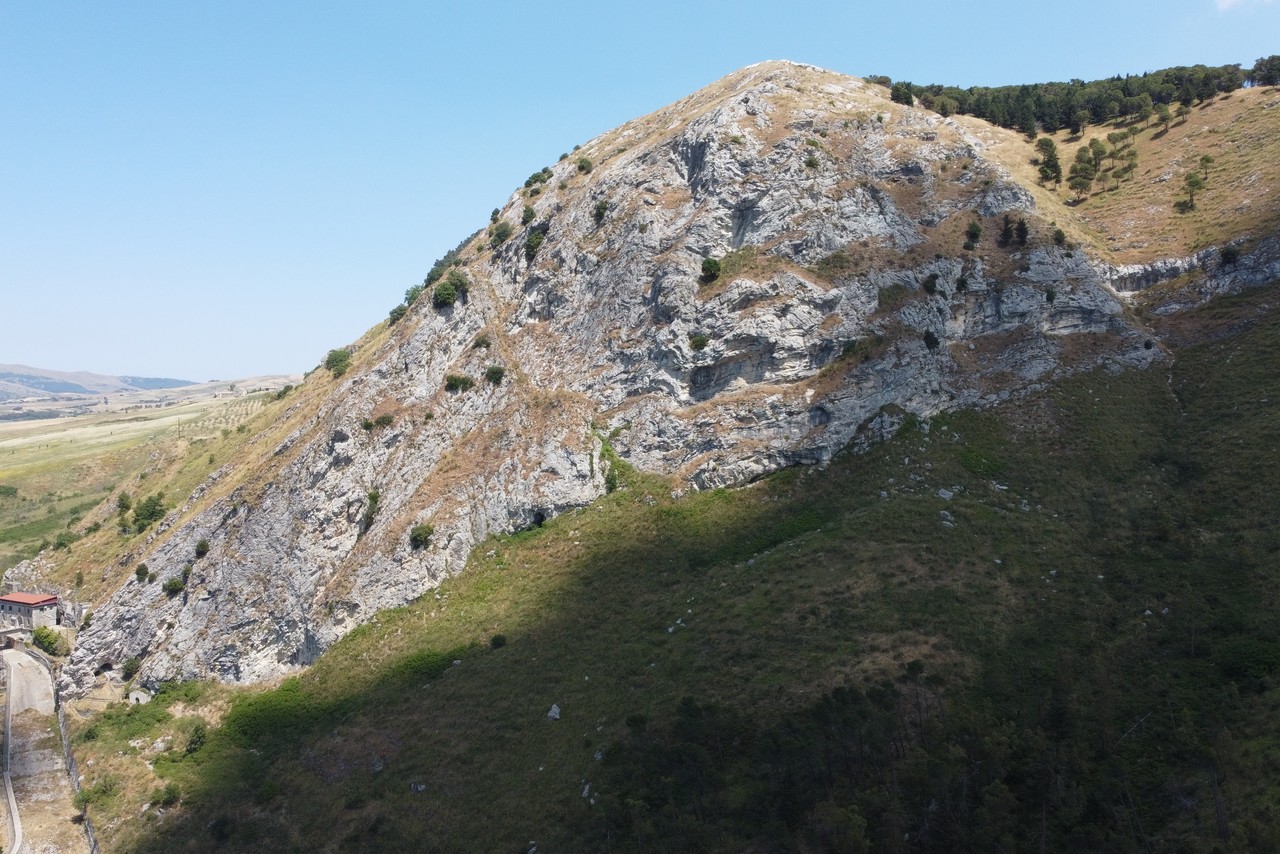
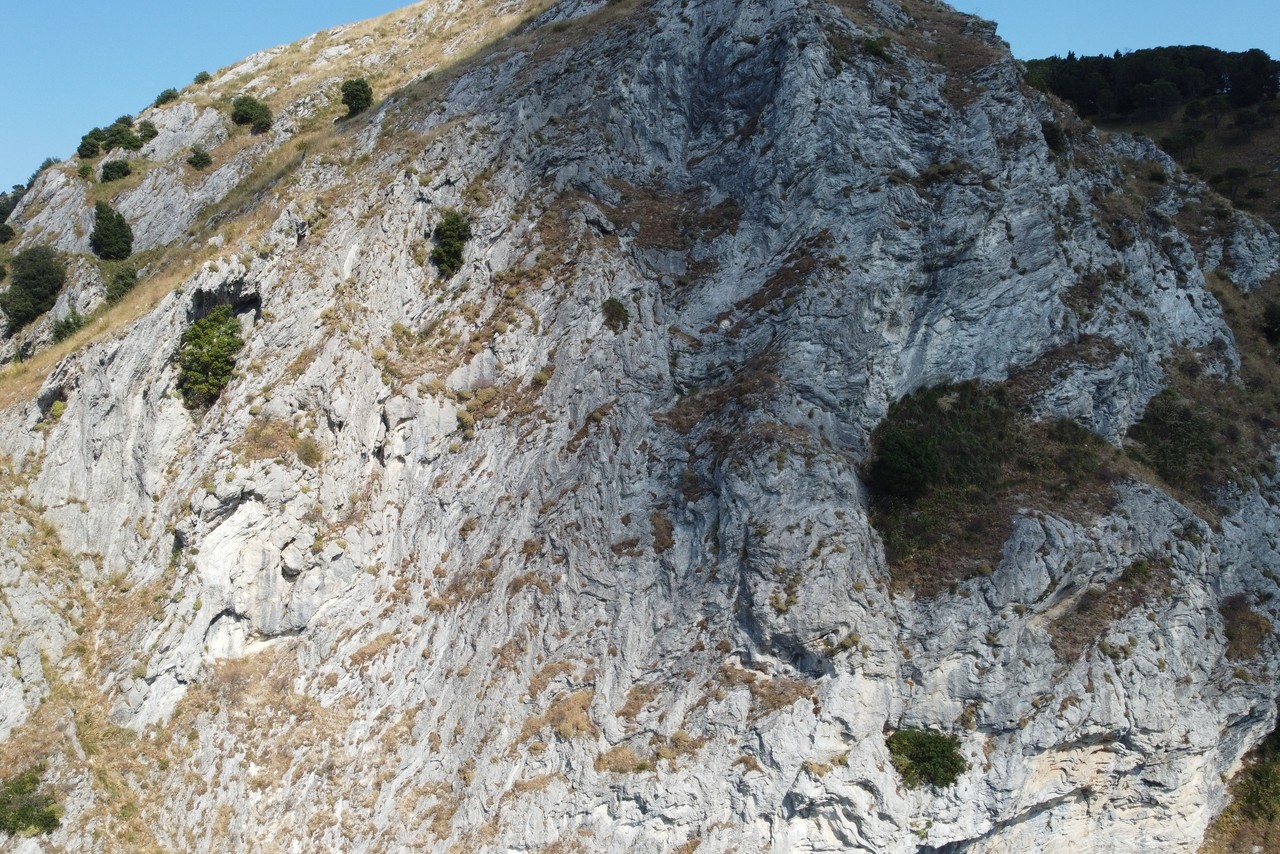
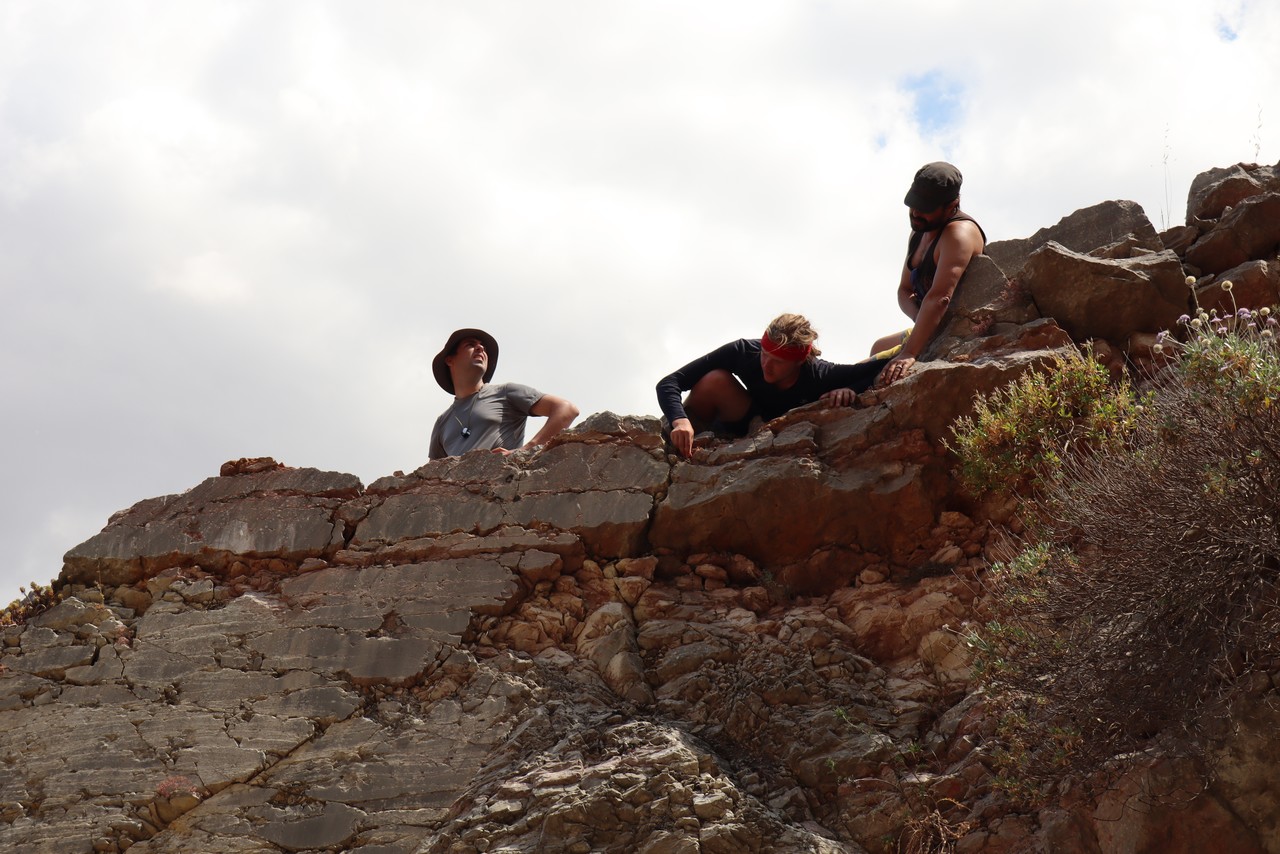
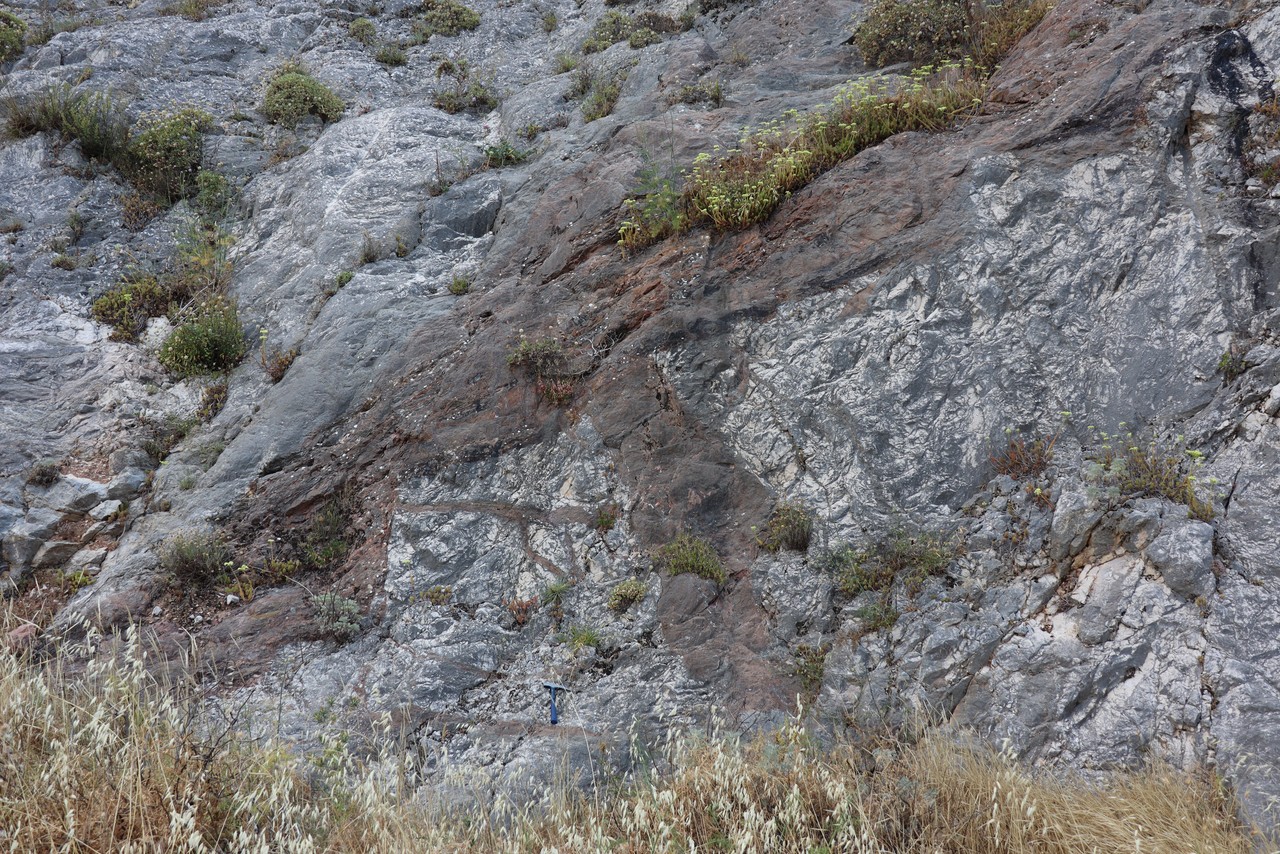
Monte Kumeta is a spectacular cliff of massive white limestone, which is part of the Inici formation. The rock is full of fossilized molluscs, benthic foraminifera and calcareous algae - all typical fossils of calm shallow water environments. The Inici formation therefore represents deposits of a large stable carbonate platform that developed during roughly 10 Ma at the start of the Jurassic period. There’s also a complicated system of bright red veins cutting through these pristine white walls: these are called neptunian dykes - cracks filled with sedimentary material of a very different origin than the surrounding rock. This red pelagic carbonate mud here is called the Ammonitico Rosso, which has gradually filled these cracks, eroding and breaking pieces of the host rock. This process formed clasts of the Inici limestone with sharp angles taken within the soft red mud of the Ammonitico Rosso that constitutes the dyke infill.
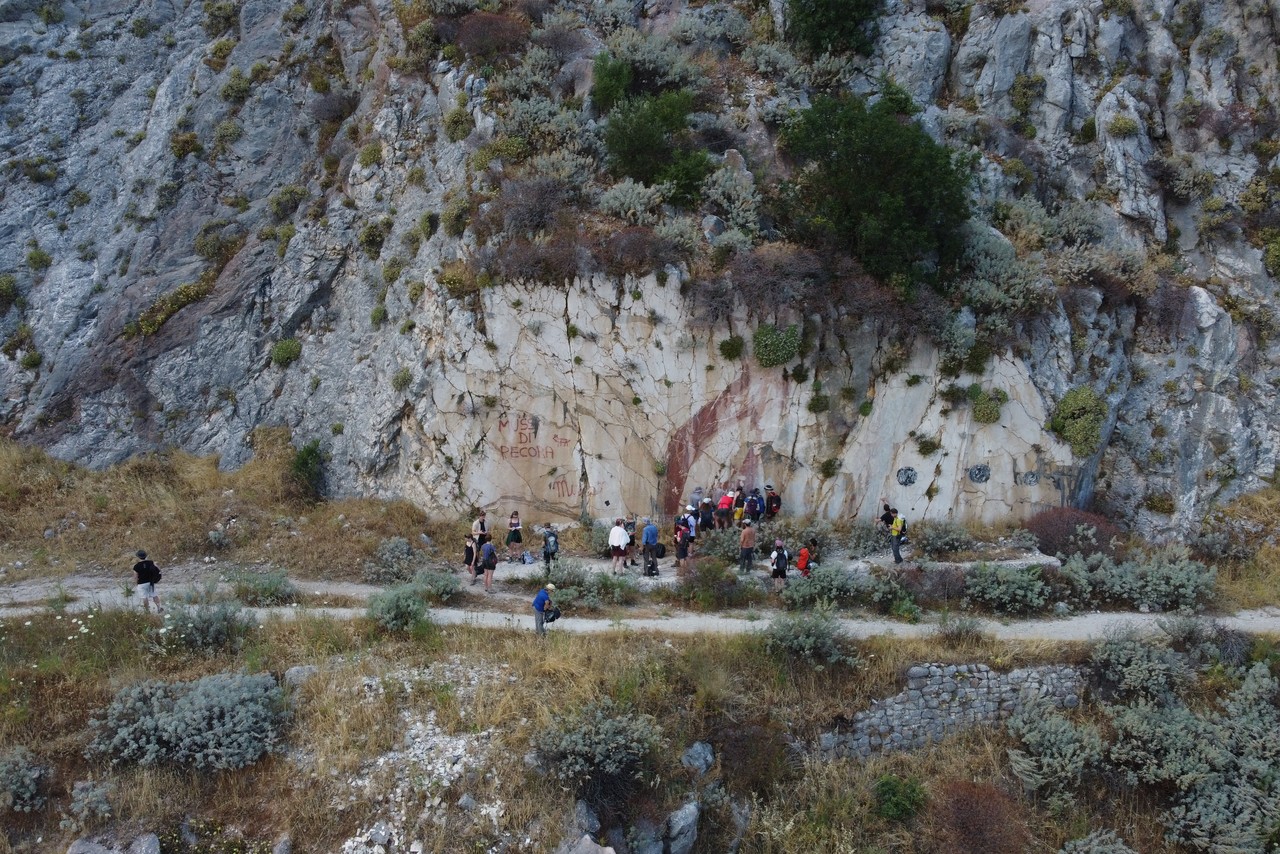
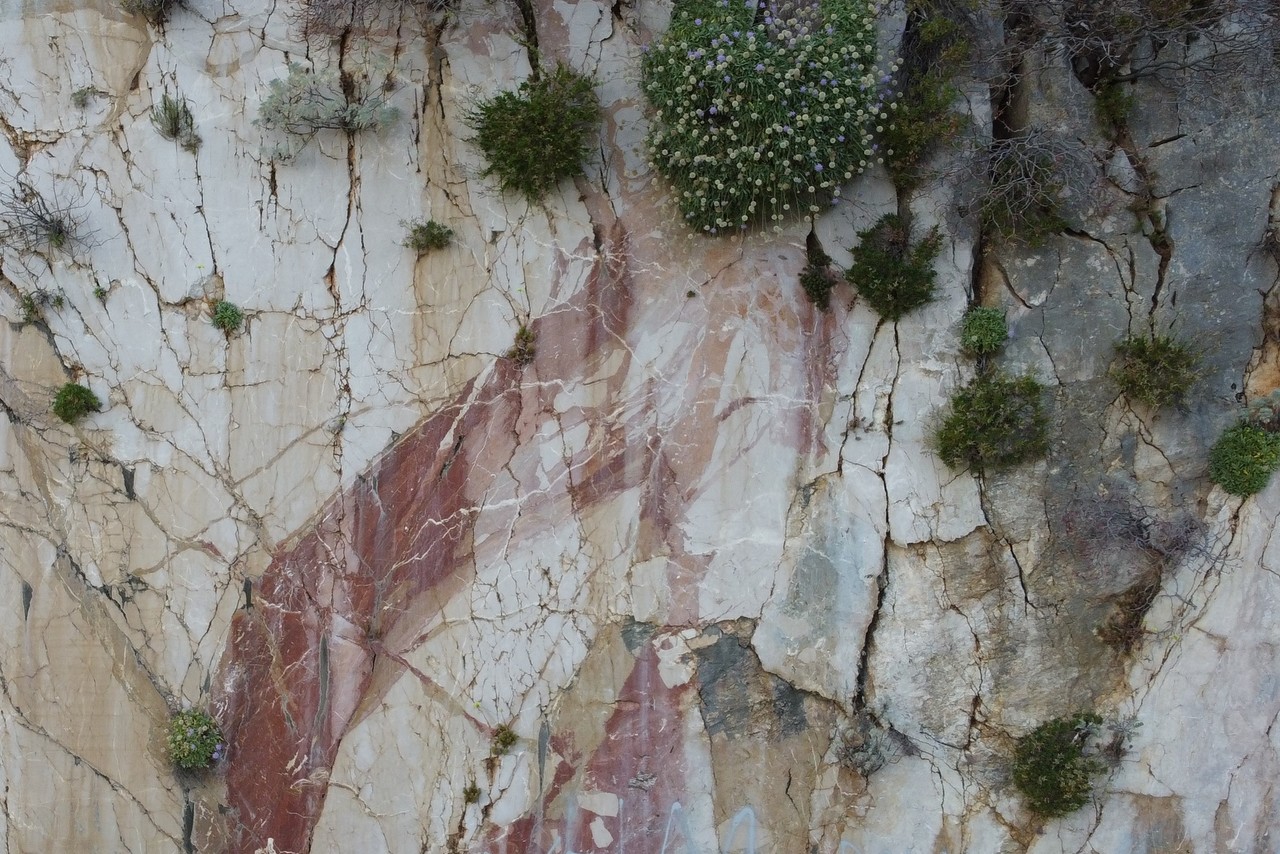

But why did these cracks appear in the first place?
During the Jurassic, this area witnessed an important tectonic event: the opening of the Tethys ocean. The associated extensional forces broke up the carbonate platform into smaller pieces creating these deep cracks and eventually led to the drowning and demise of this once flourishing environment. Once drowned in deep water, the cracks were filled by this red pelagic mud. By carefully analyzing the fossil content in the dyke infill we can estimate the date of its deposition and therefore get a good idea of when exactly the tectonic breakup occurred.