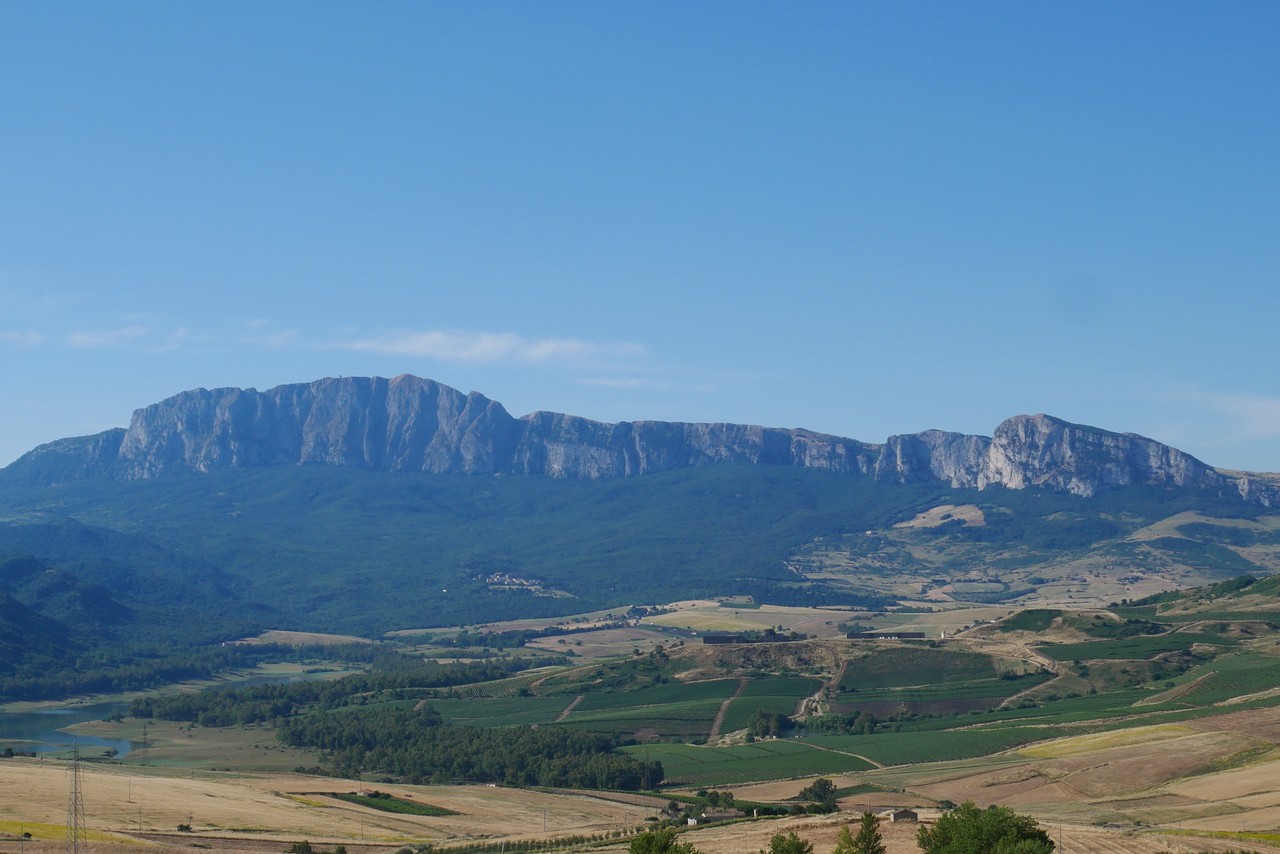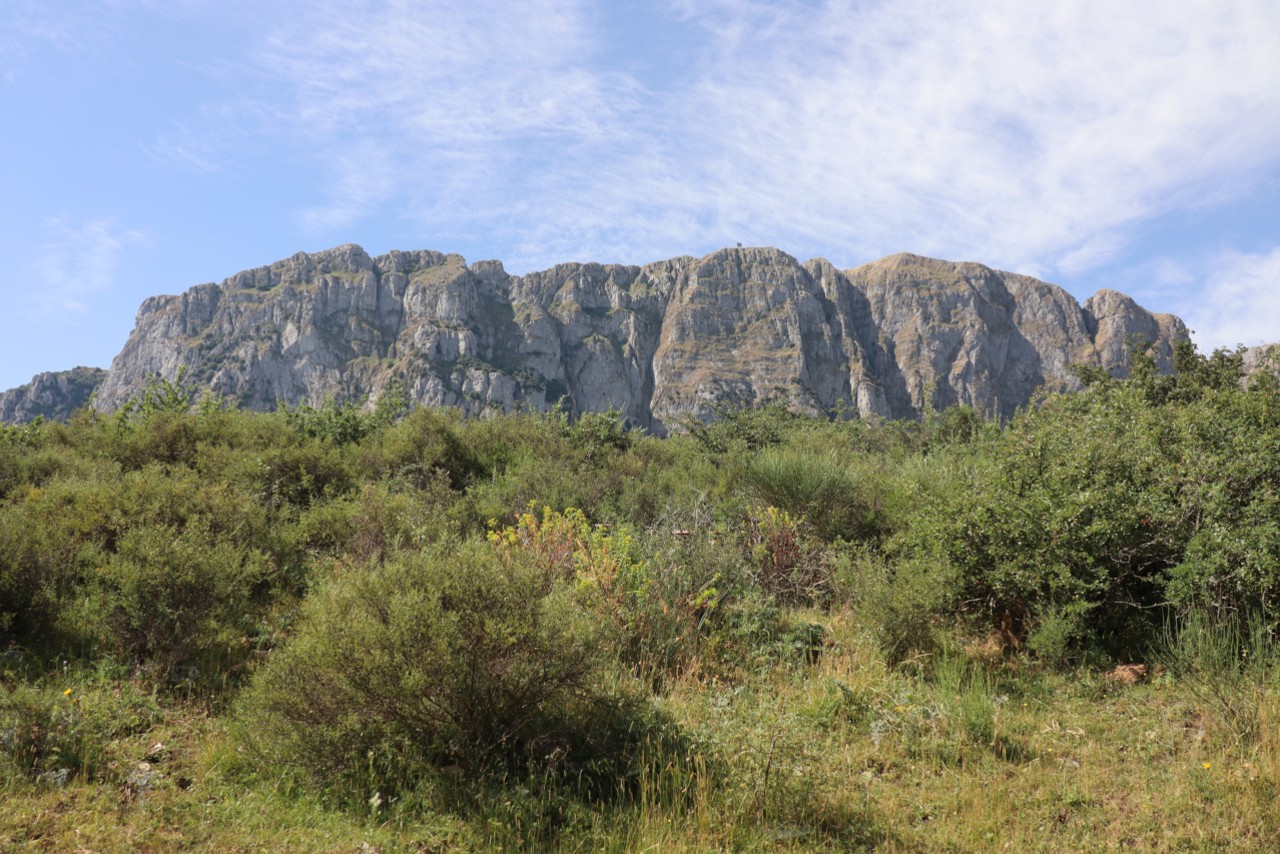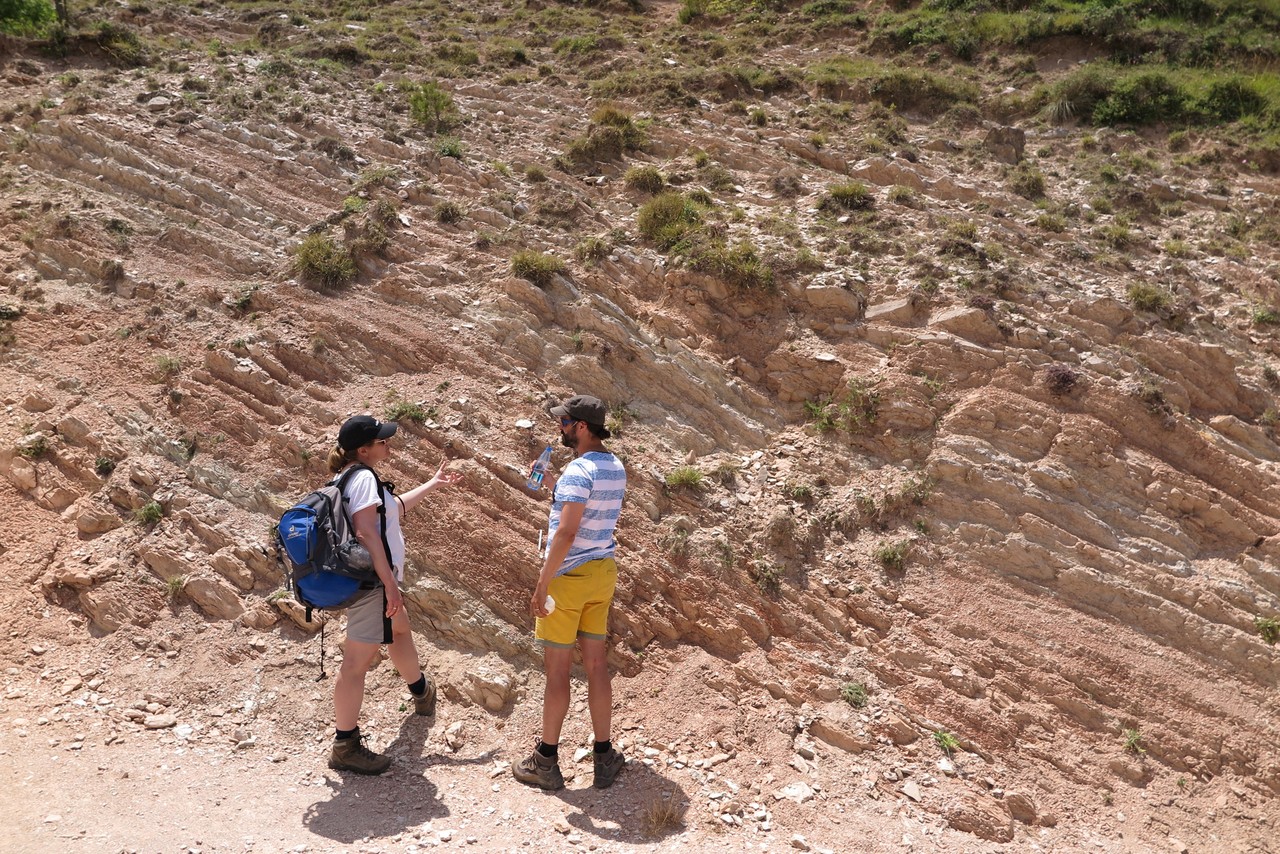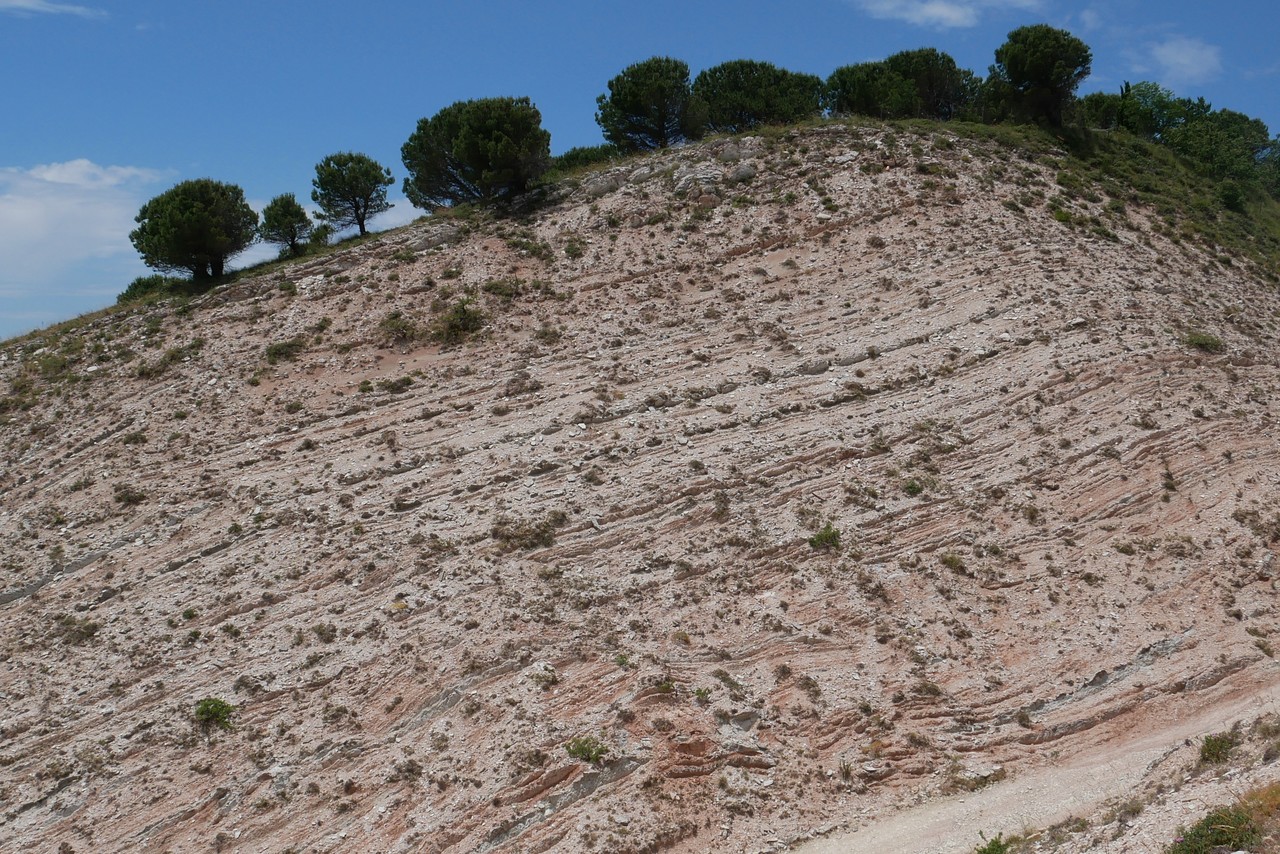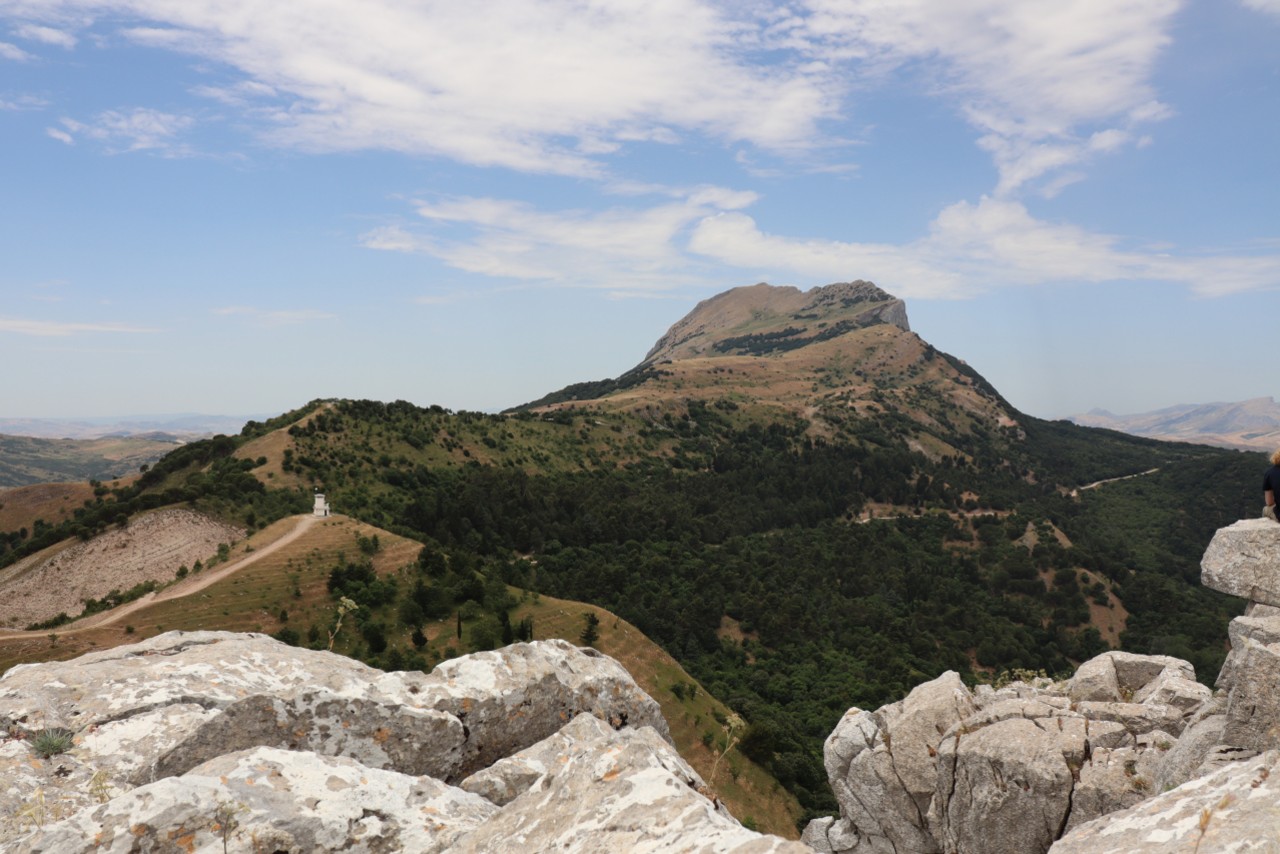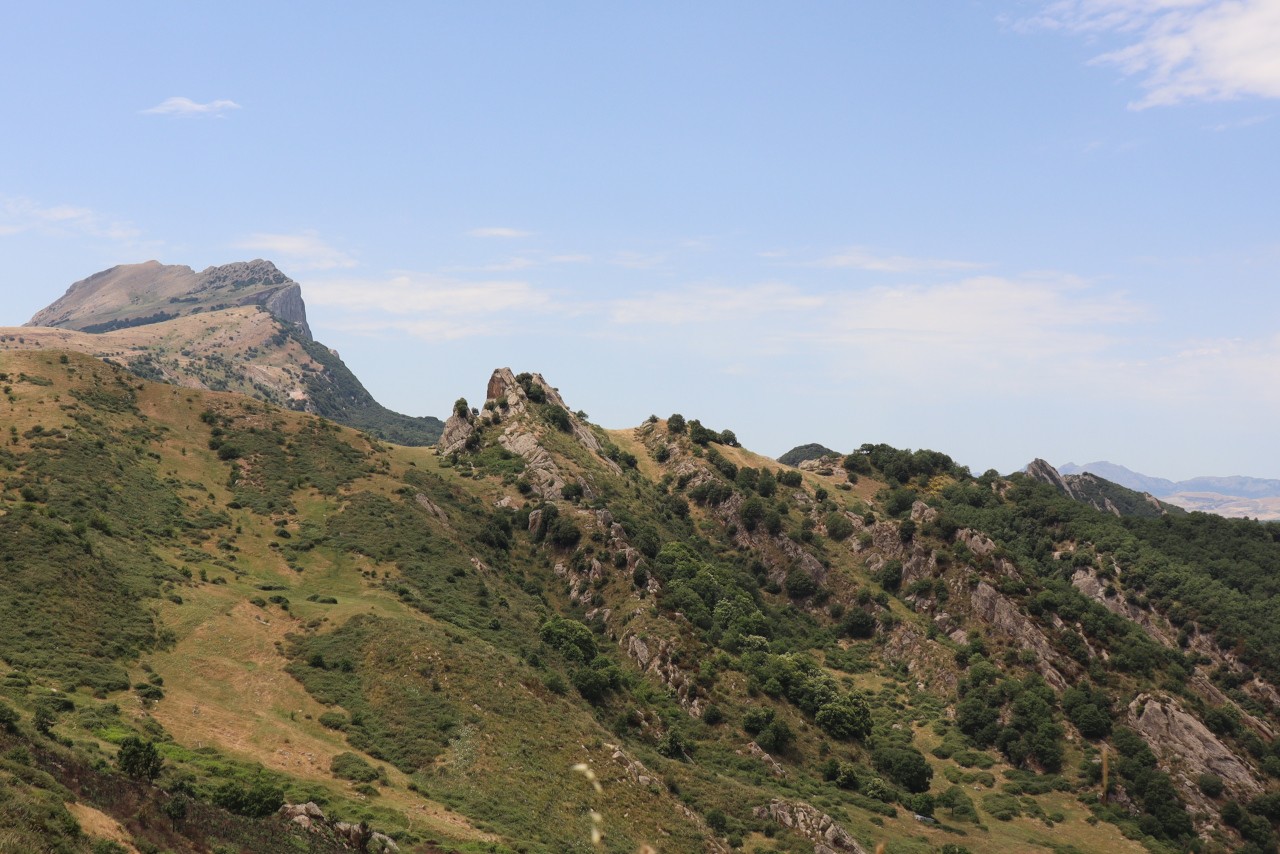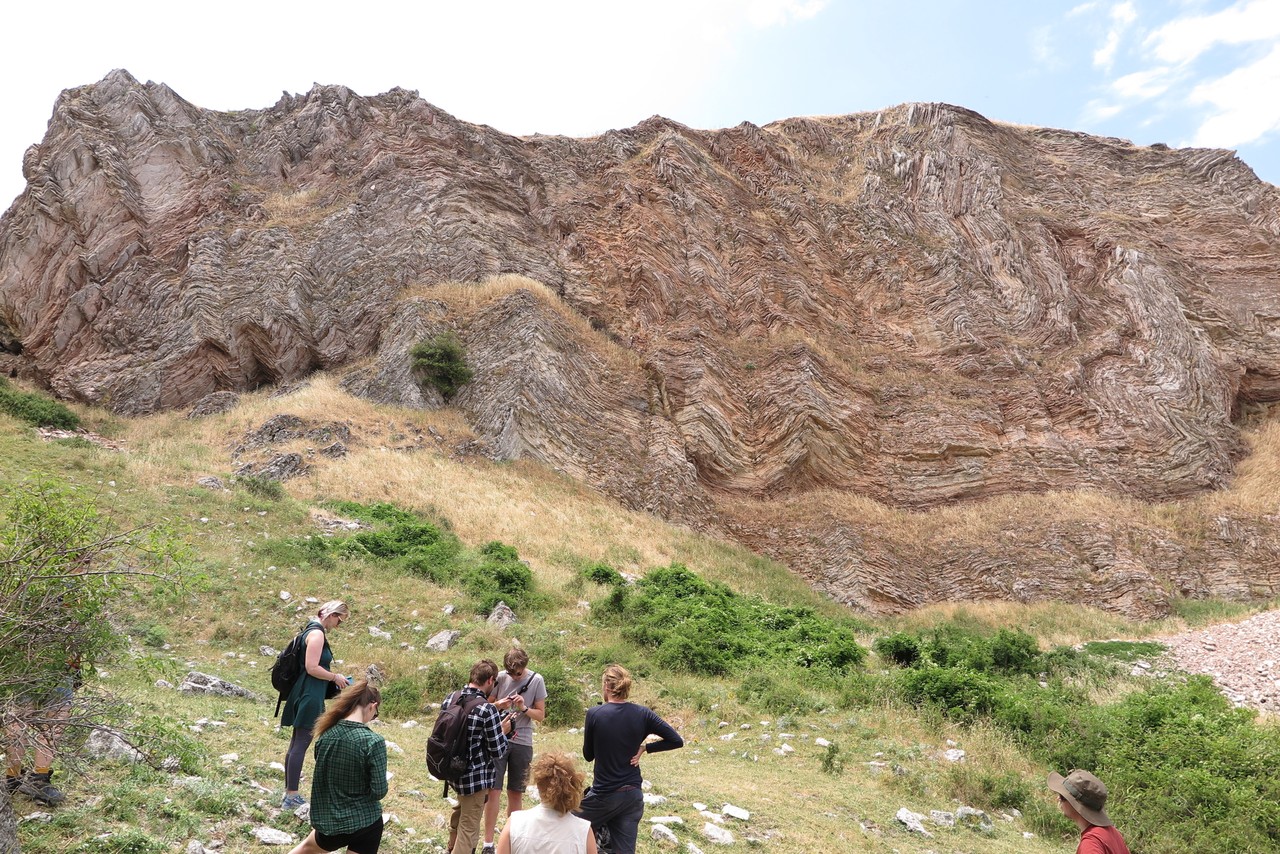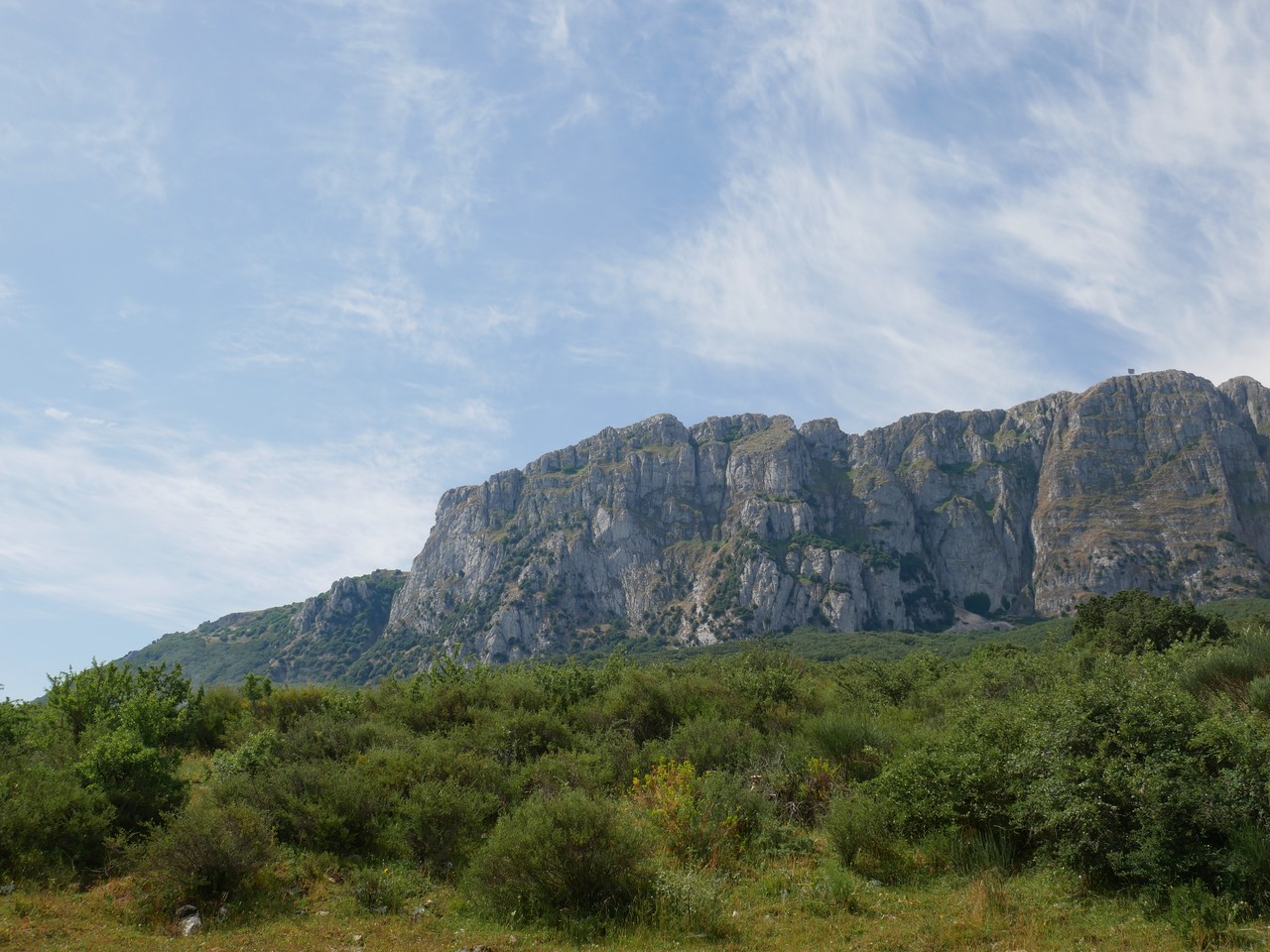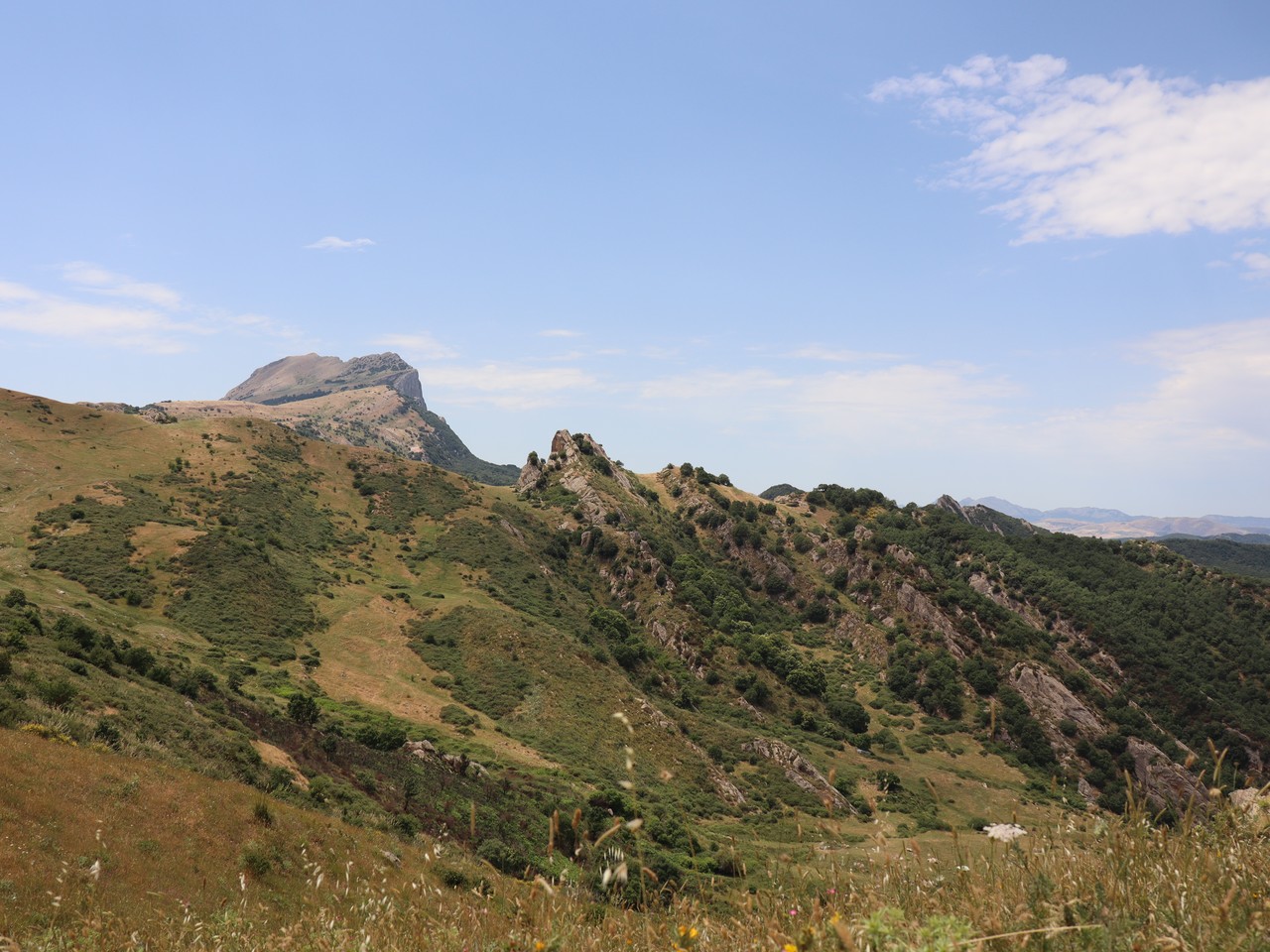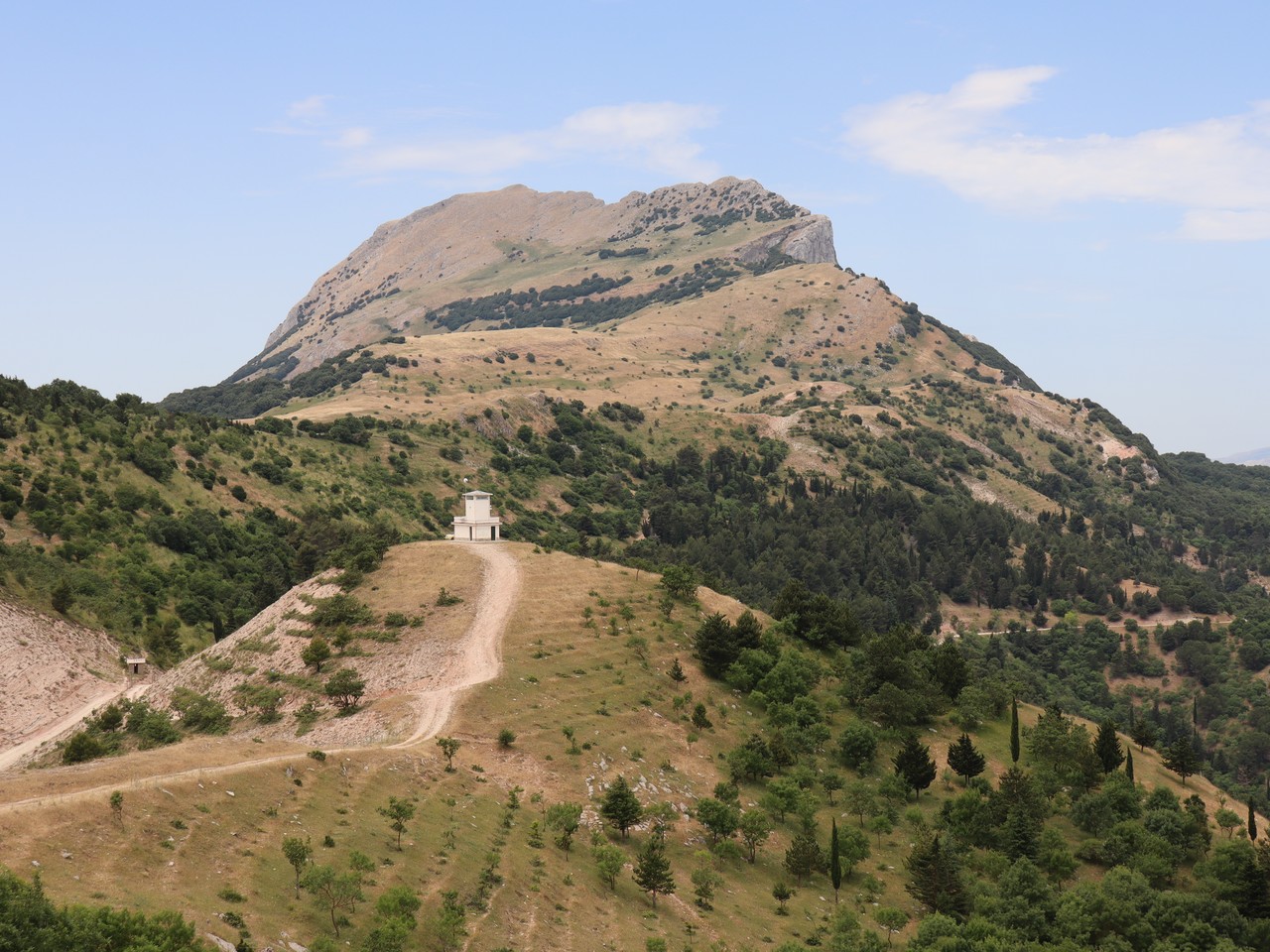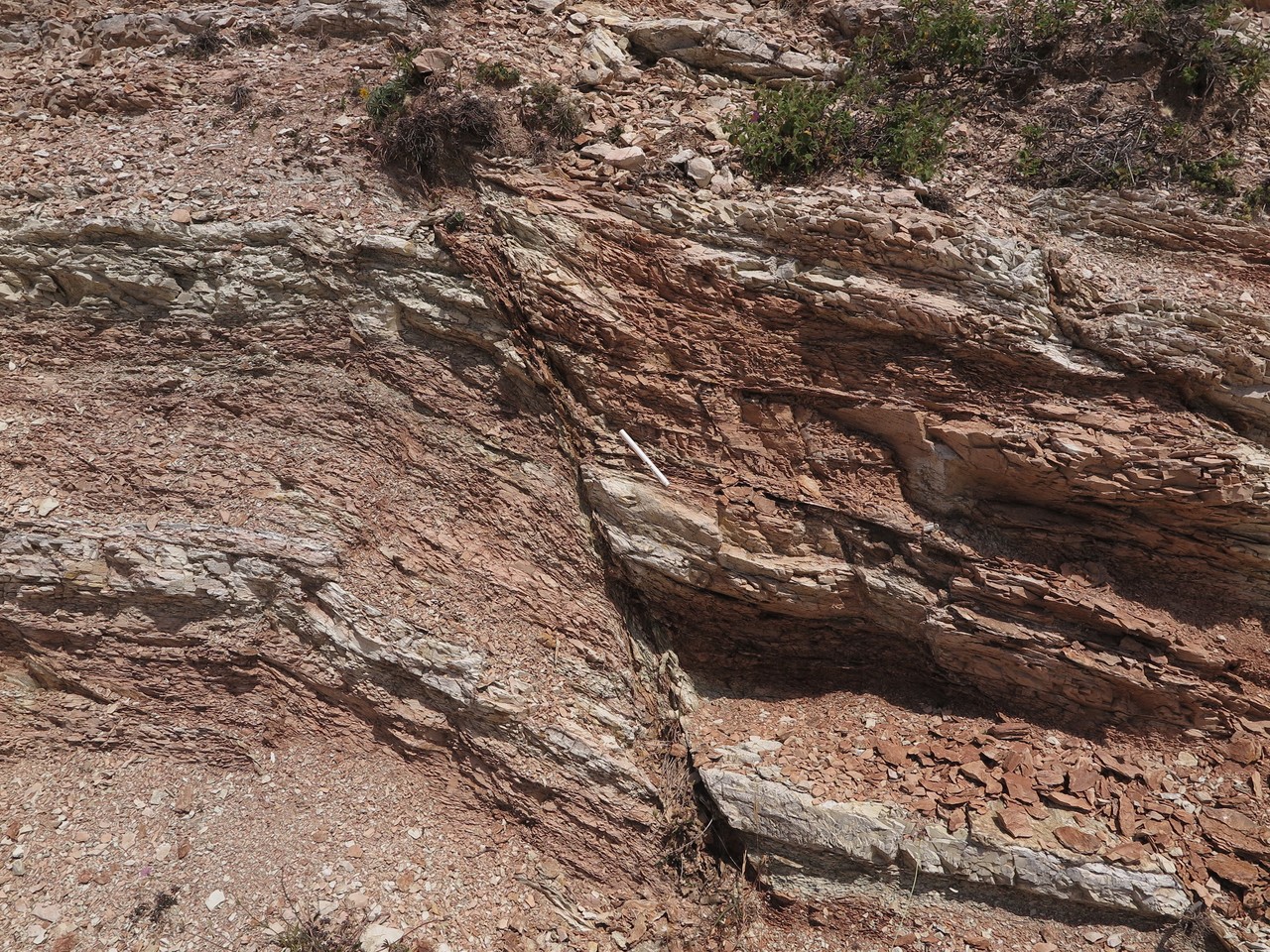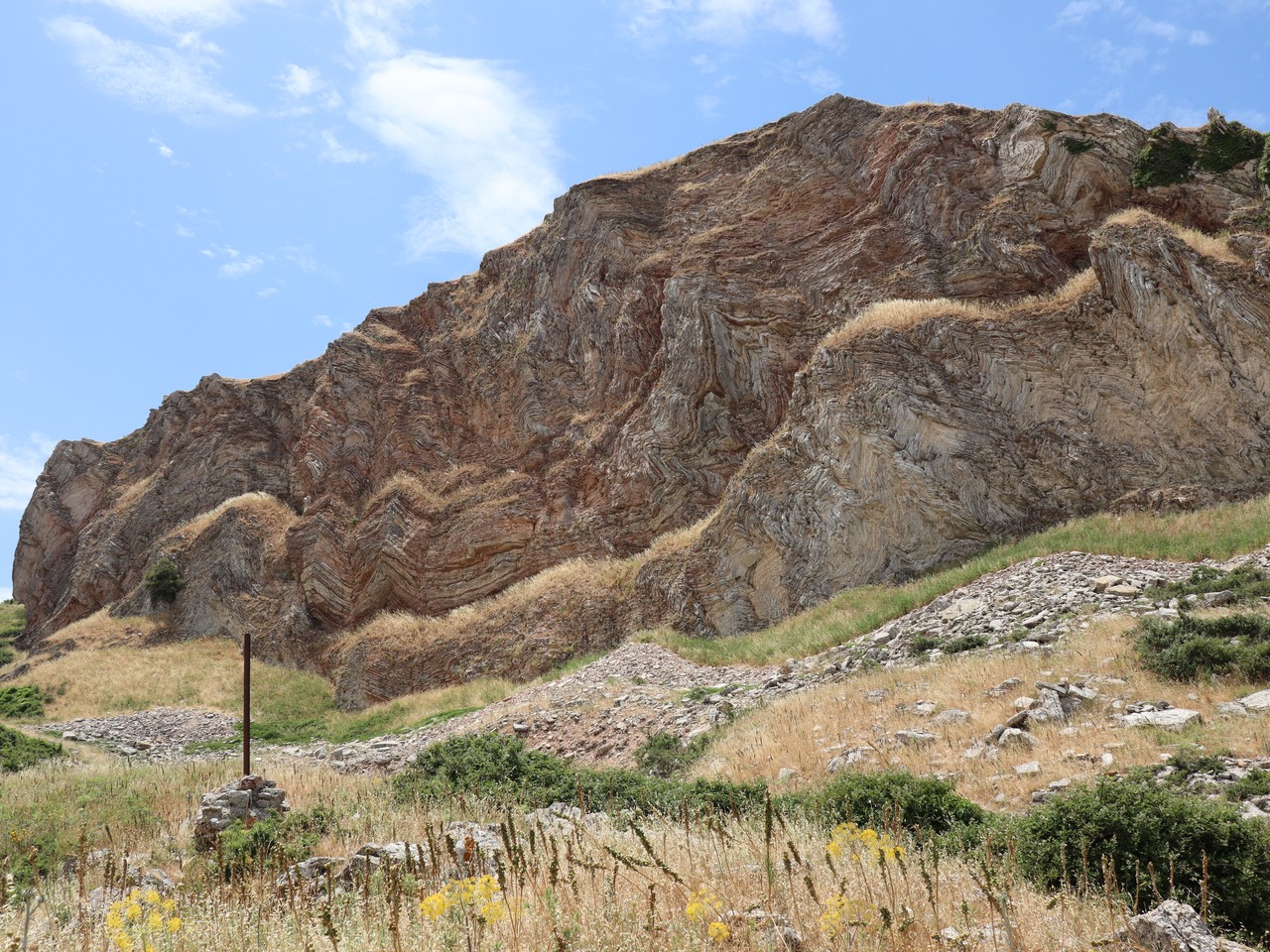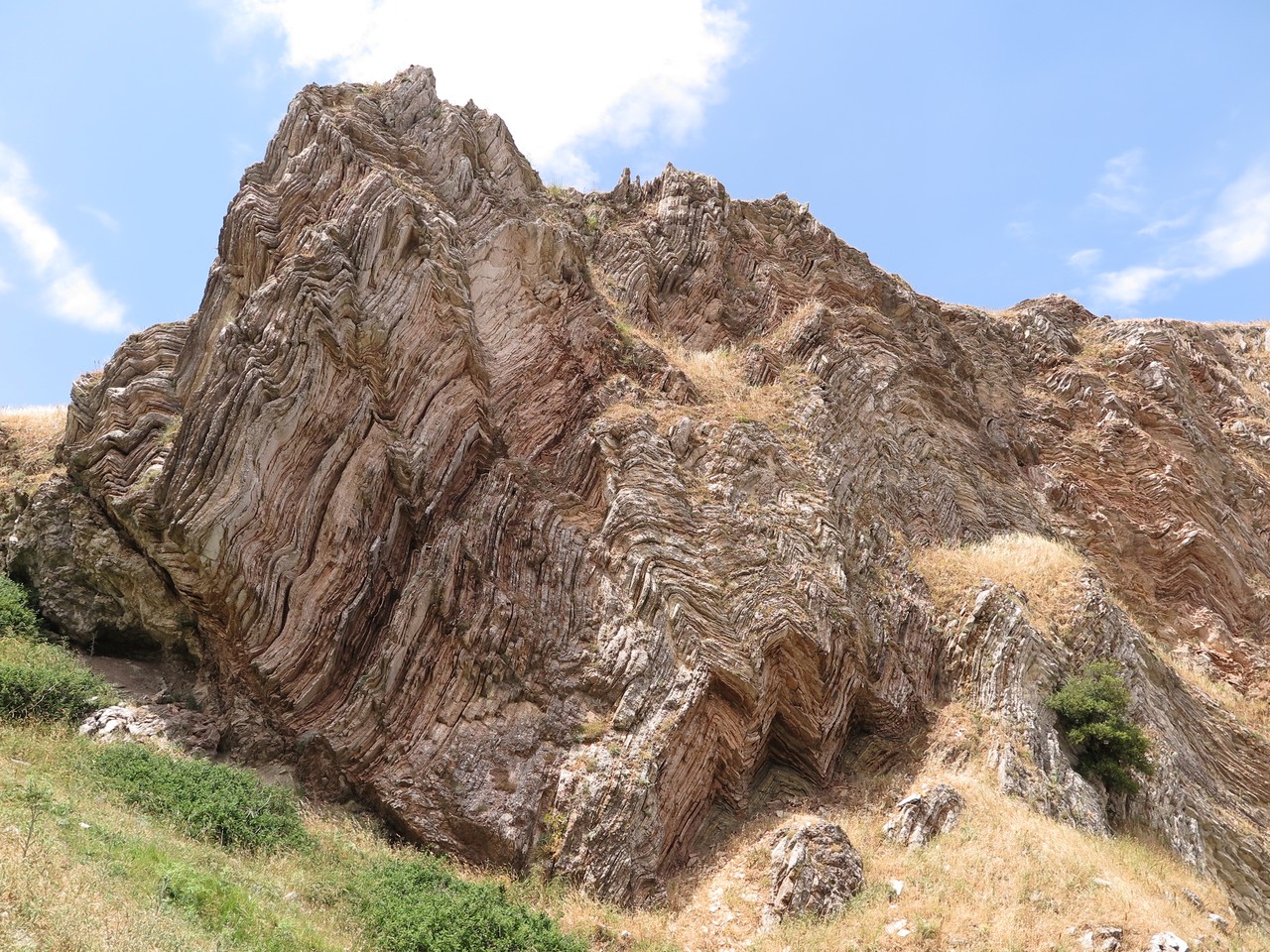
While the eastern part of the island is controlled by the subduction of the Ionian plate. There, the mesozoic deposits were imbricated during the subduction of the african continental margin and formed the accretionary wedge. Because of the imbrication the crustal segments were thrusted over each other forming what we call the Fold and Thrust Belt (FTB) system. As Monte Kumeta and Rocca Busambra is a west-east oriented anticlines which forms a good example for the deformational structures of the FTB ! Monte Kumeta and Rocca Busambra were formed as the result of the compressional regime. They both represent the carbonates of the Trapanese and Sicanian tectonic units and the depression between them was filled with Numidian Flysch (part of the Sicilide unit). Moreover, the anticline of Rocca Busambra has been raised by two back-thrust reverse faults on each side creating those spectacular cliffs of calcareous Innicci Formation (Trapanese unit) overthrusting the Numidian Flysch (Sicilide unit).