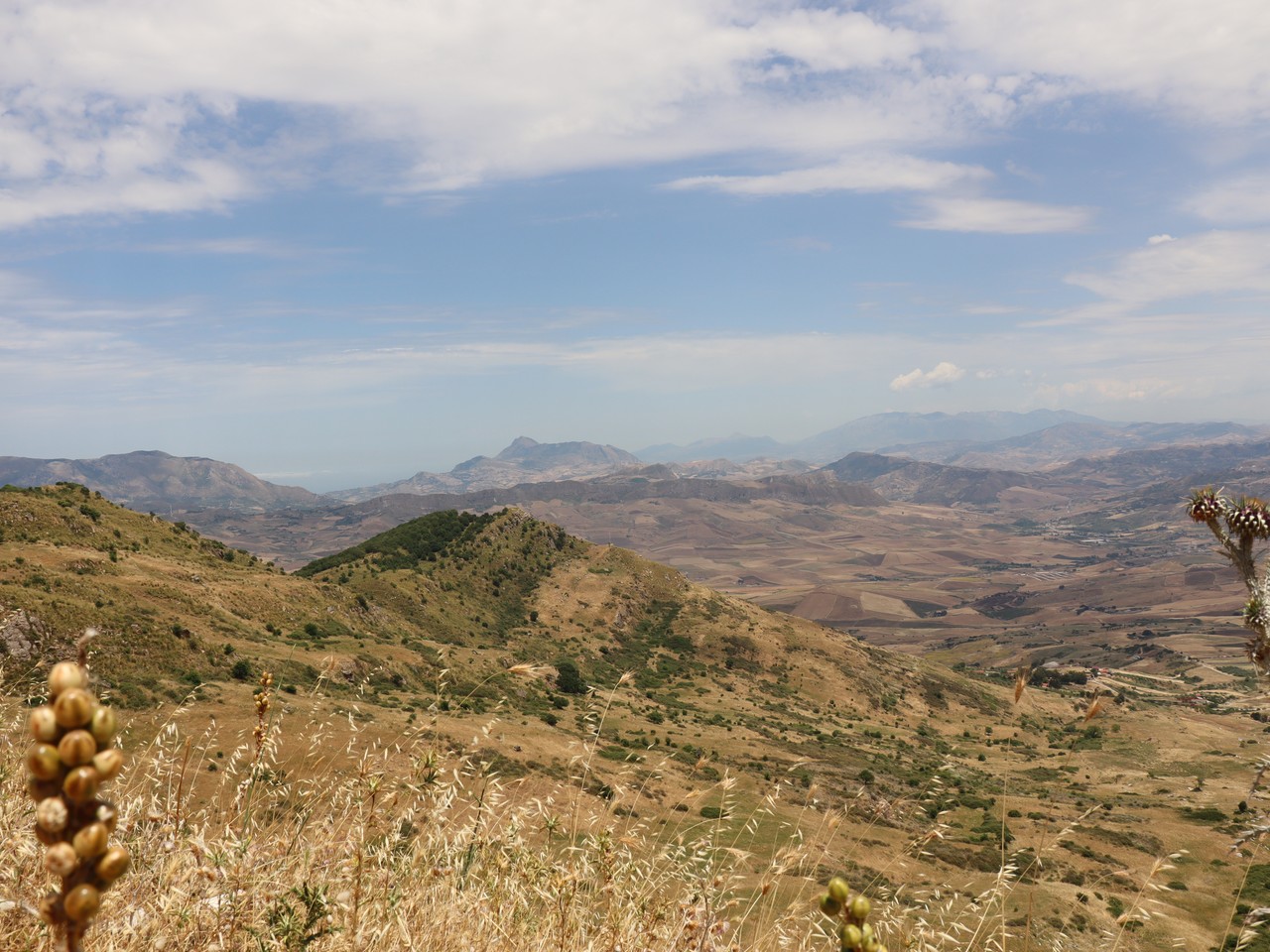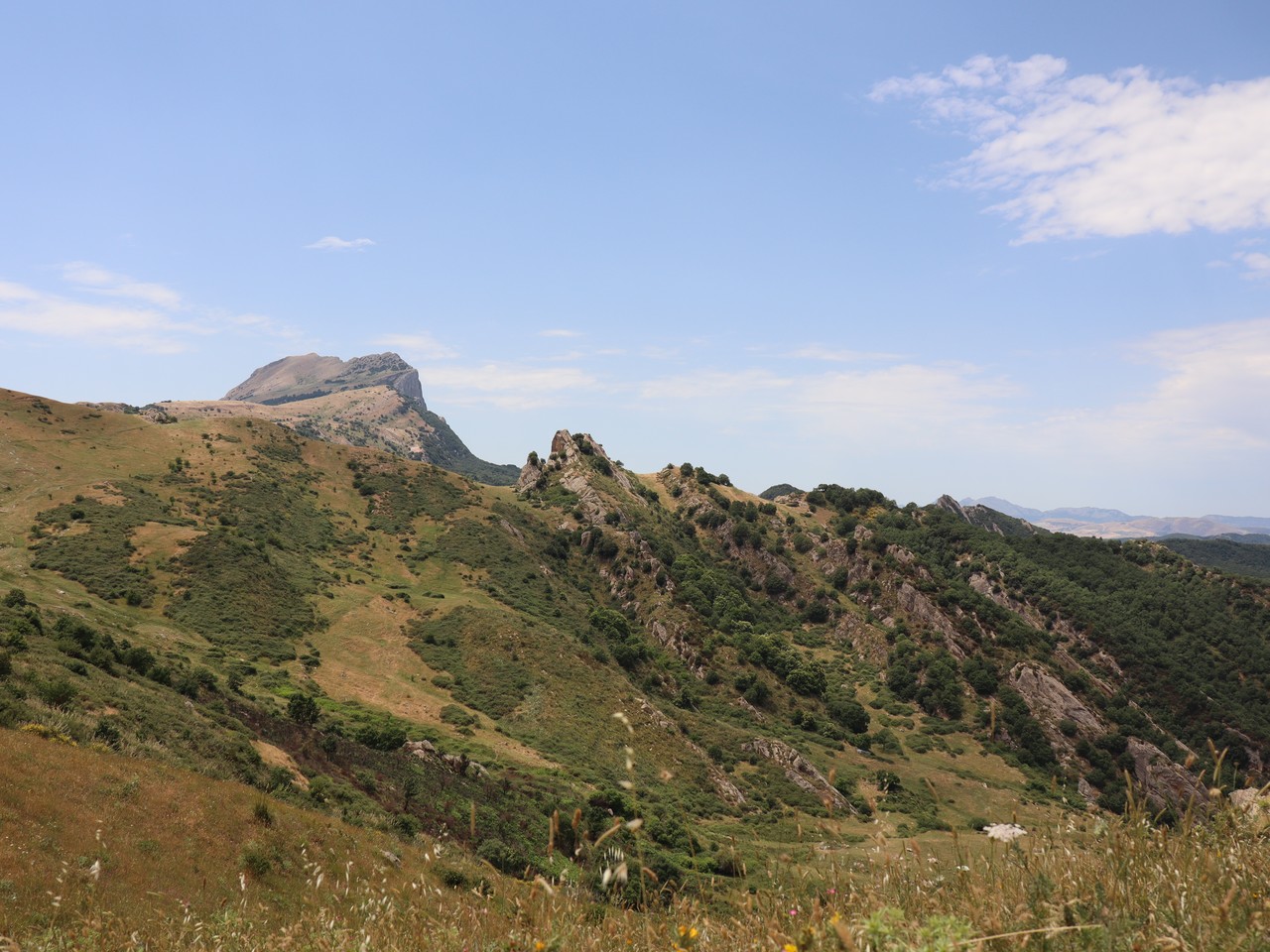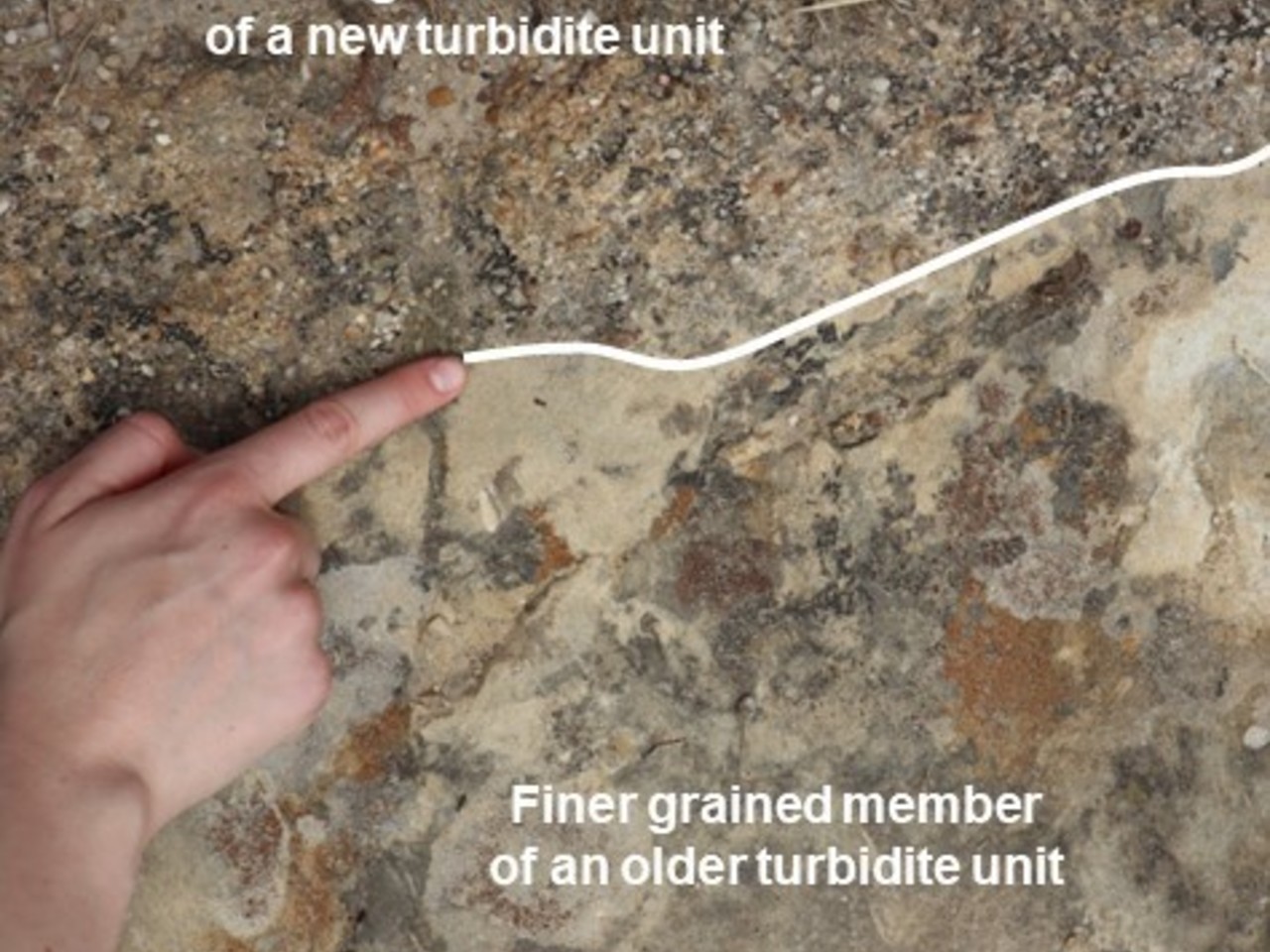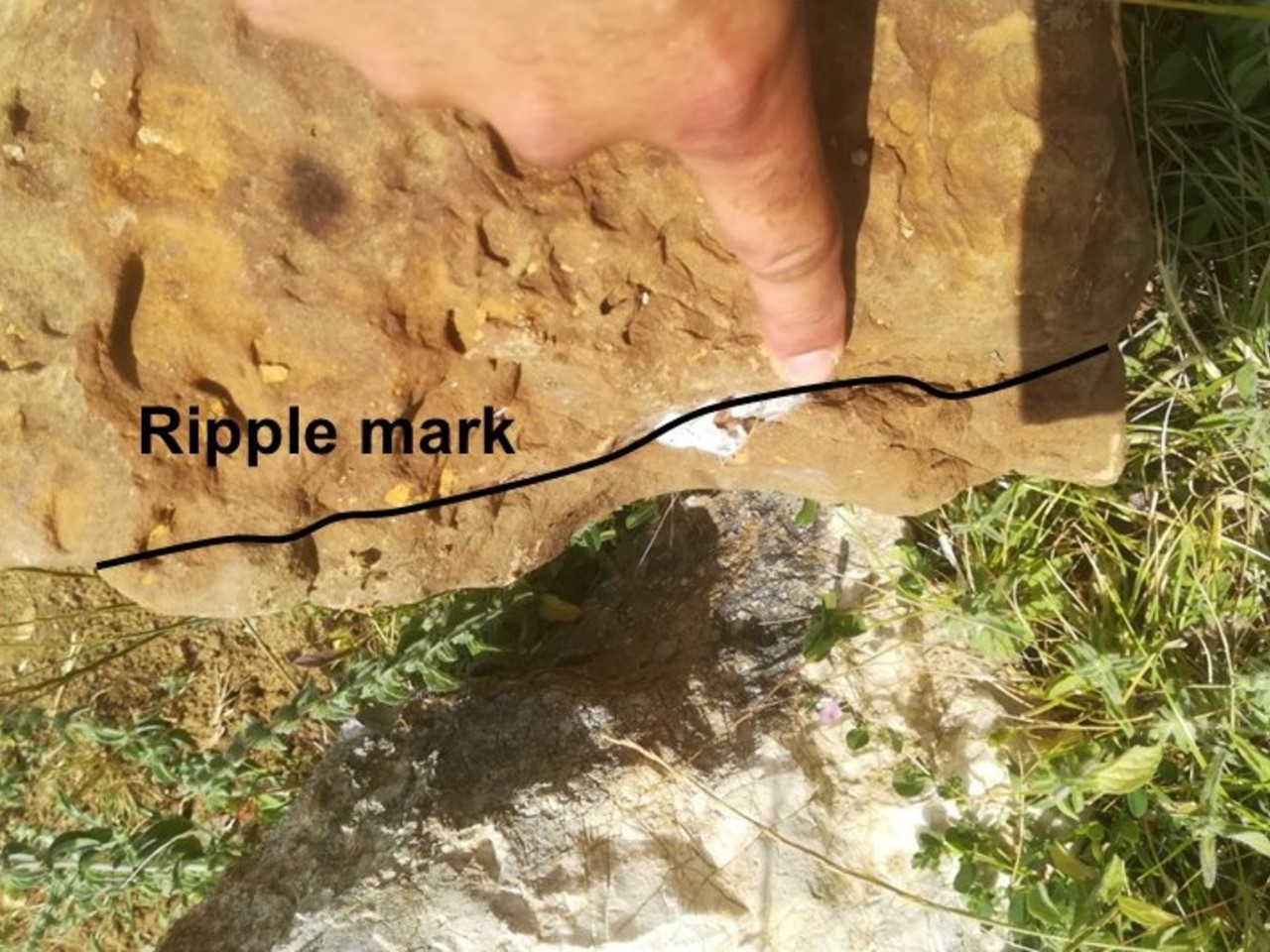
The Numidian flysch is a turbidite unit occurring adjacent to and across active thrust structures. It’s a sign of the tectonic evolution of early Miocene due to the Alpine Miocene thrusting, in continuity with the evolution of the carbonates shown on the whole outcrop of Rocca Busambra.
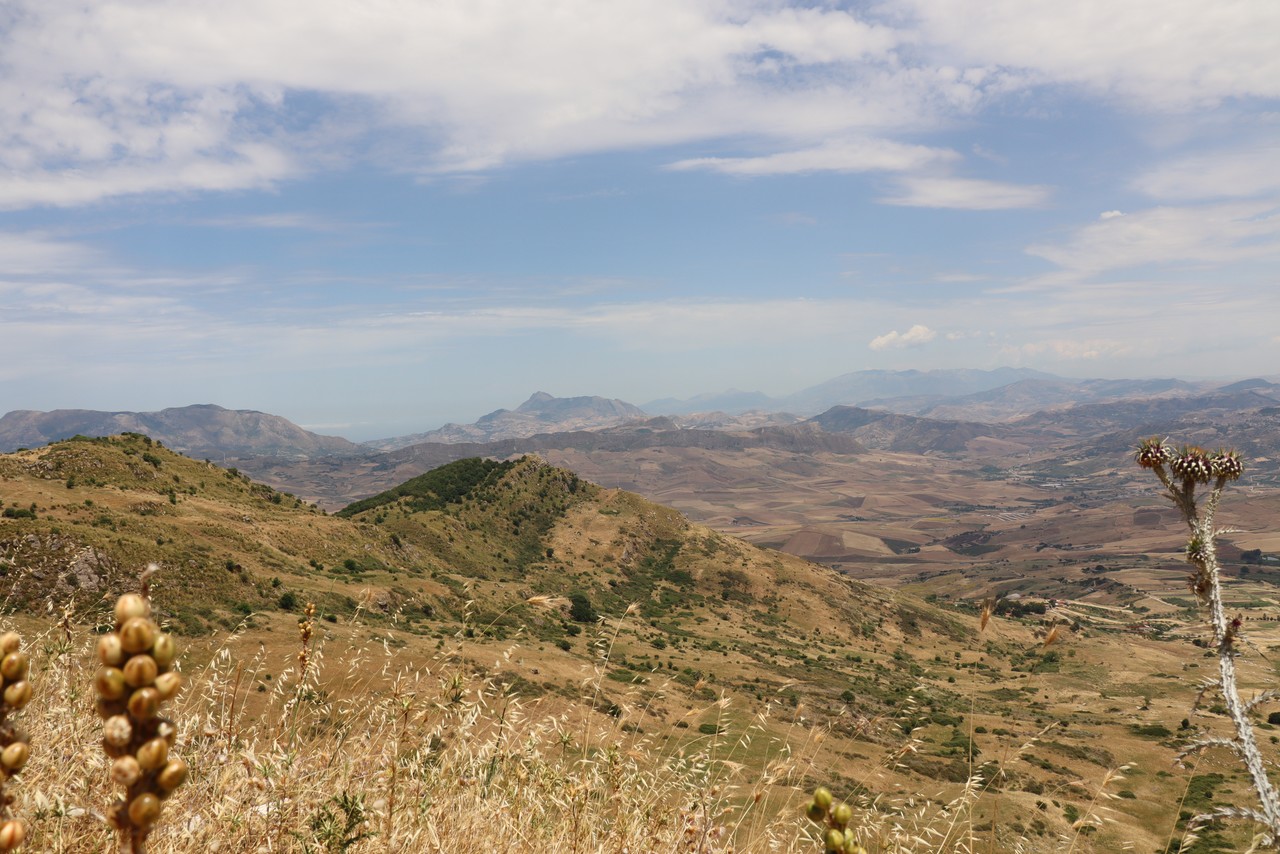
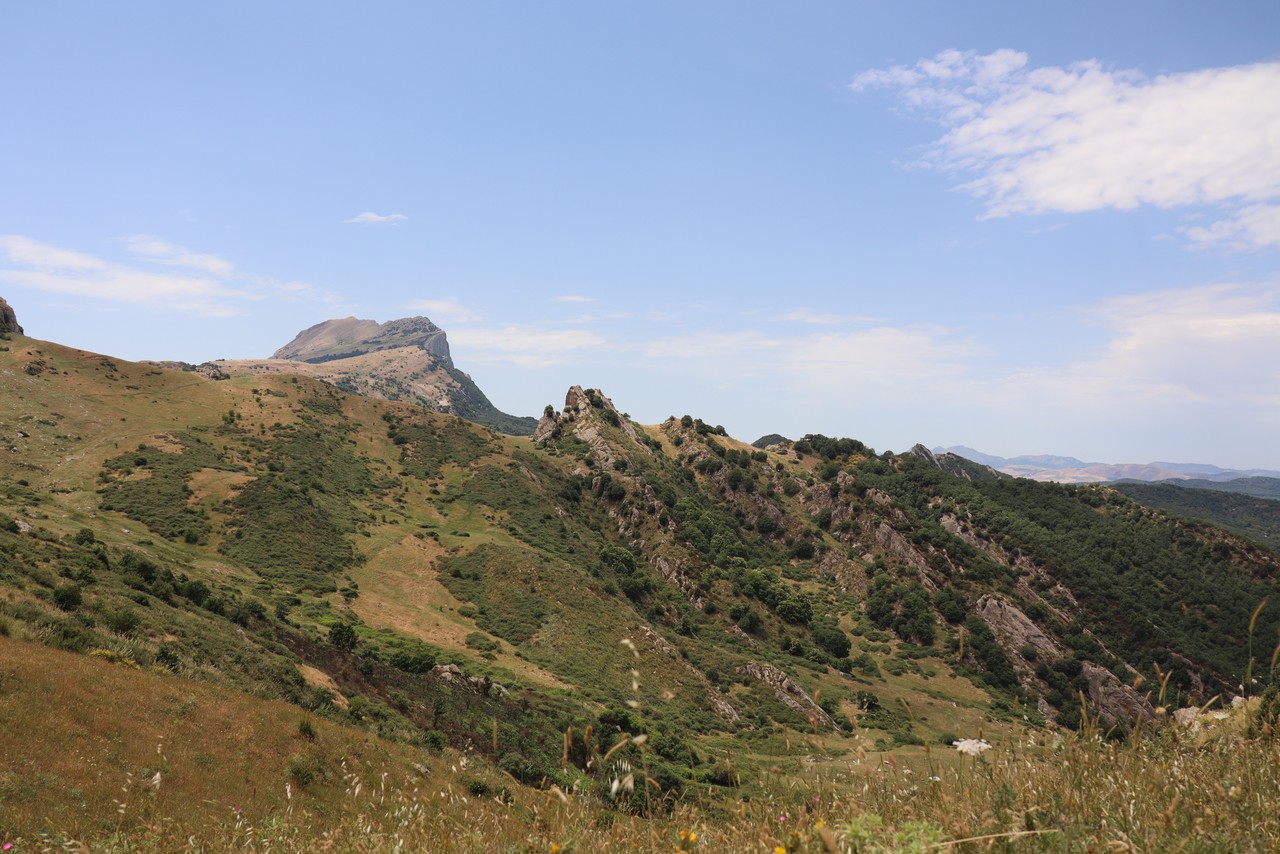
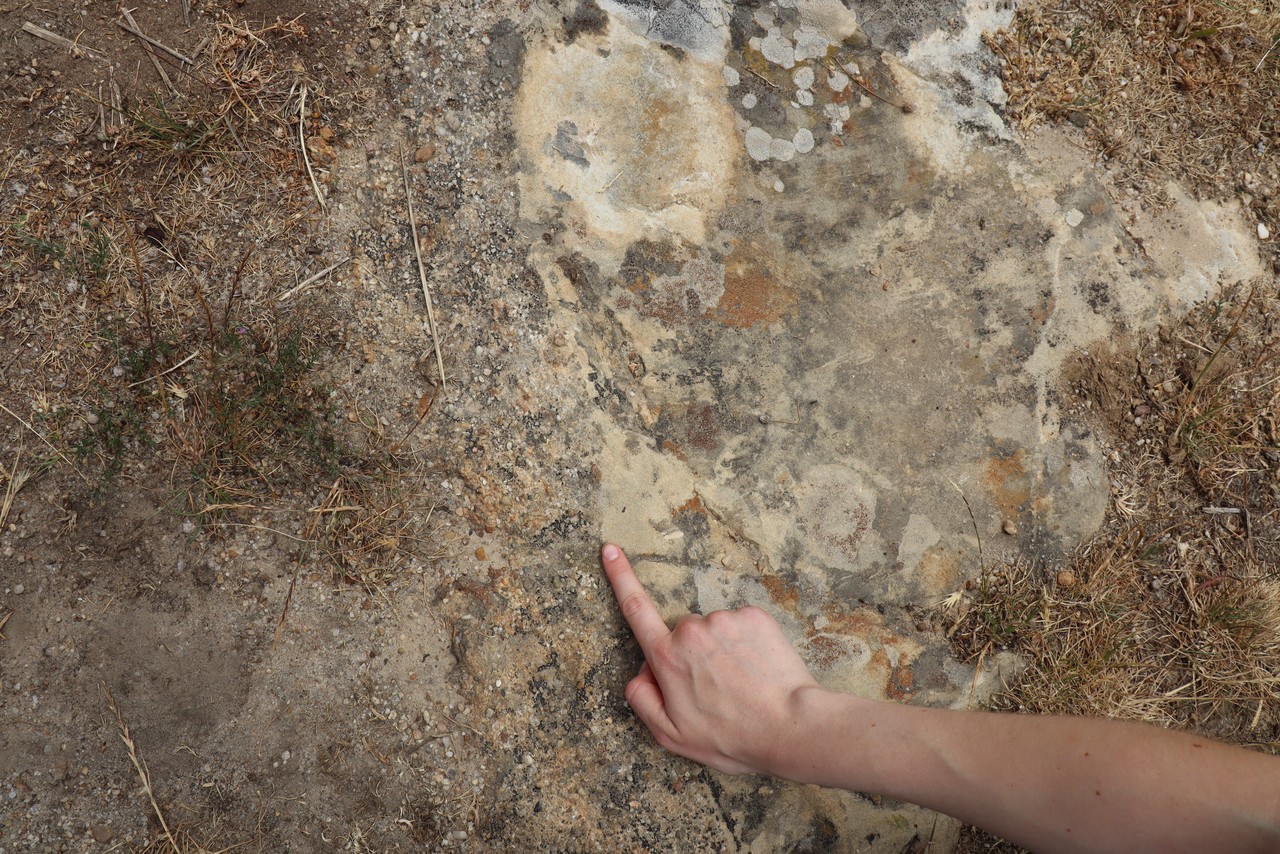
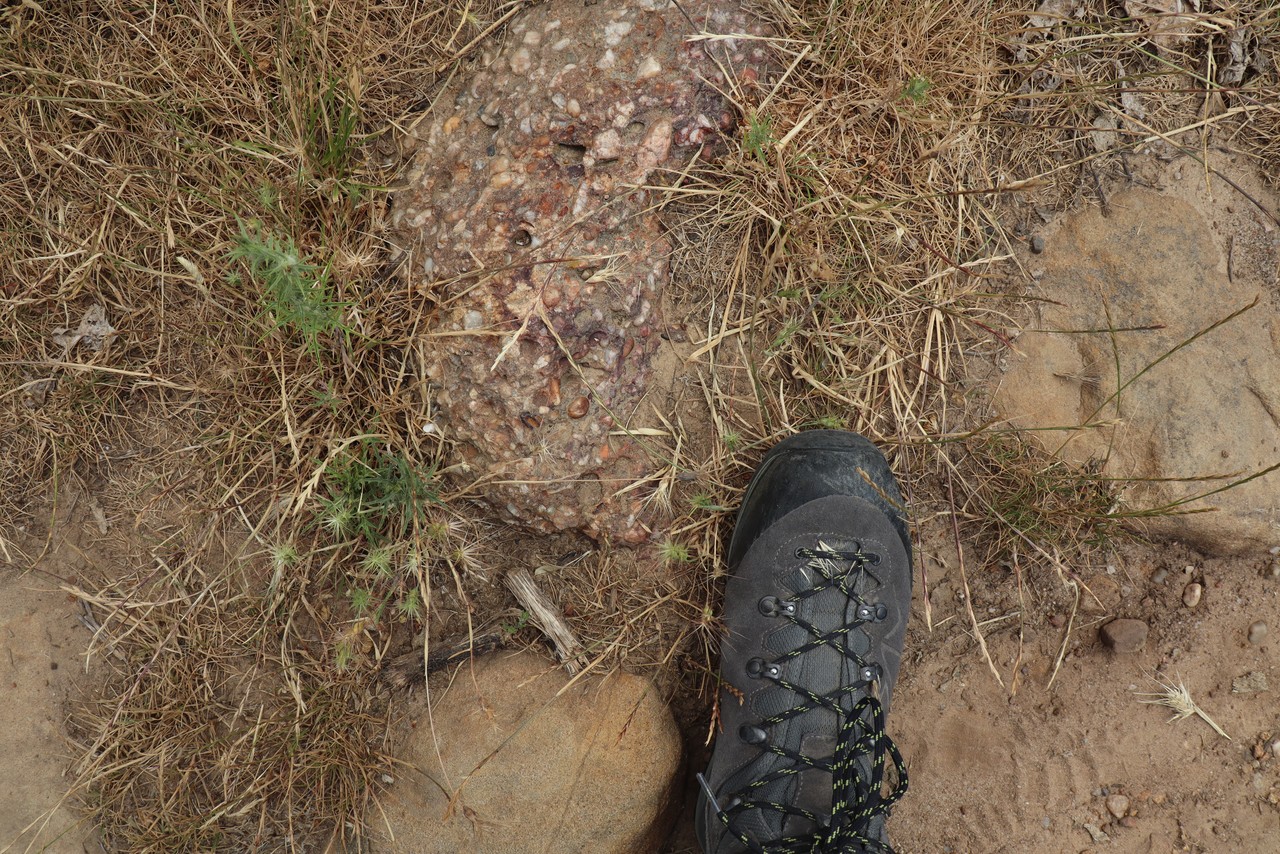
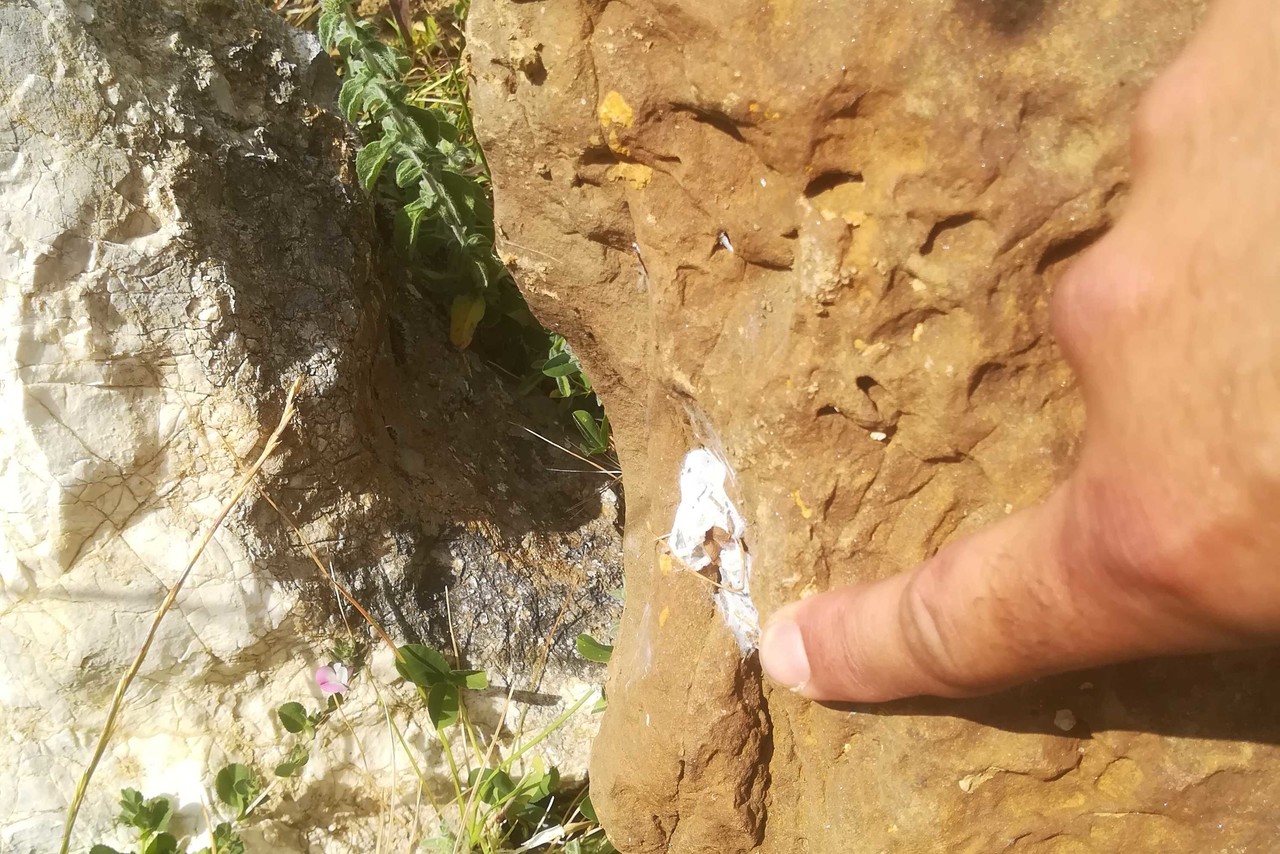
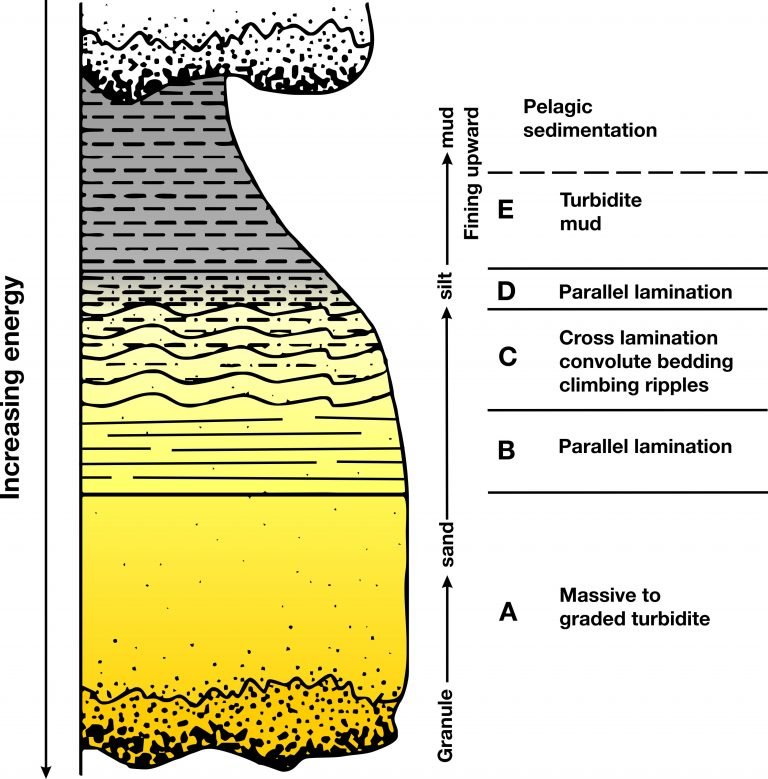
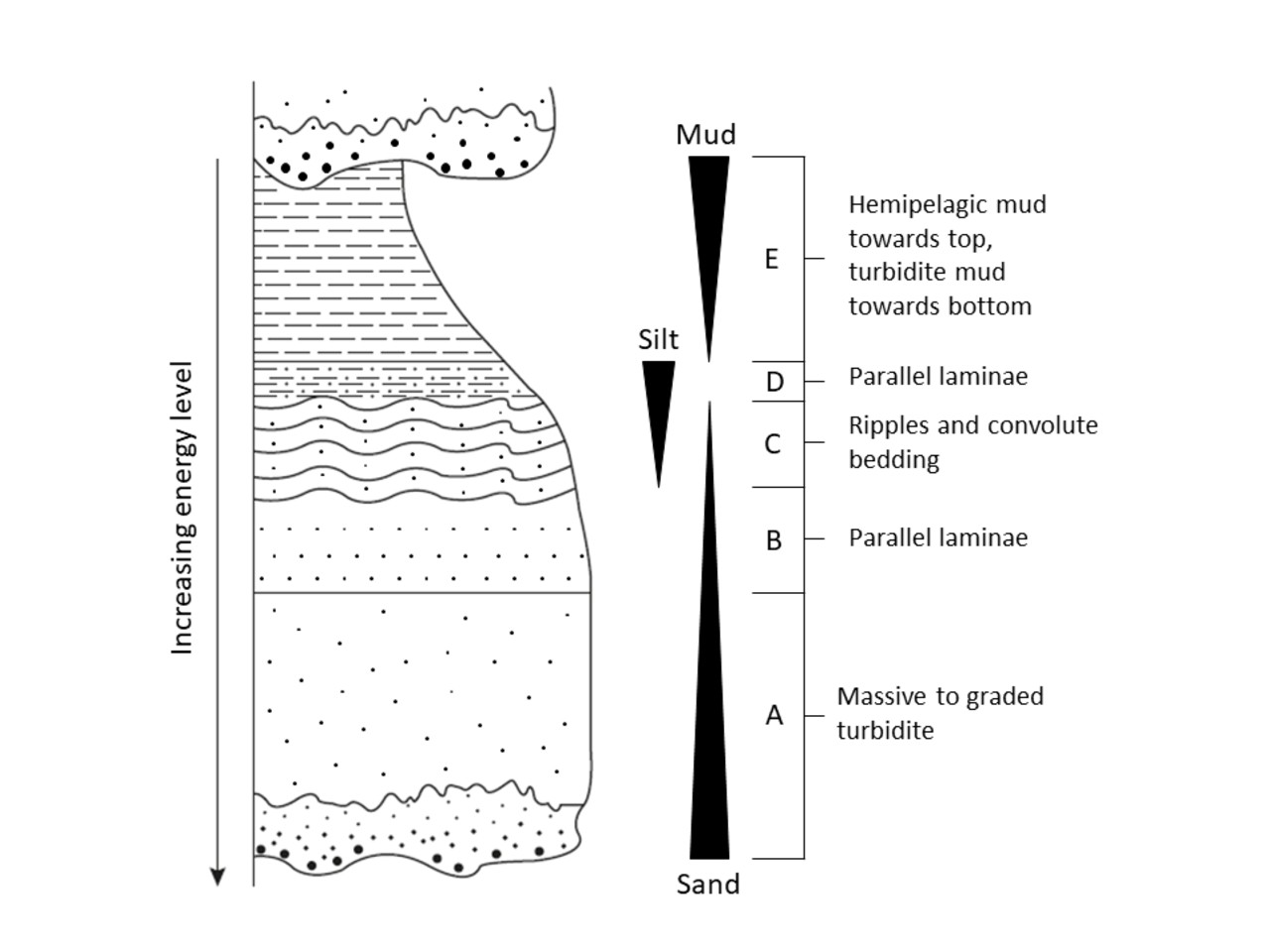
The Numidian Flysch unit is composed of turbidite stratas, organized as proposed in the Bouma sequence because of the change of energy moving the grains or of the proximity to the source of sediments.
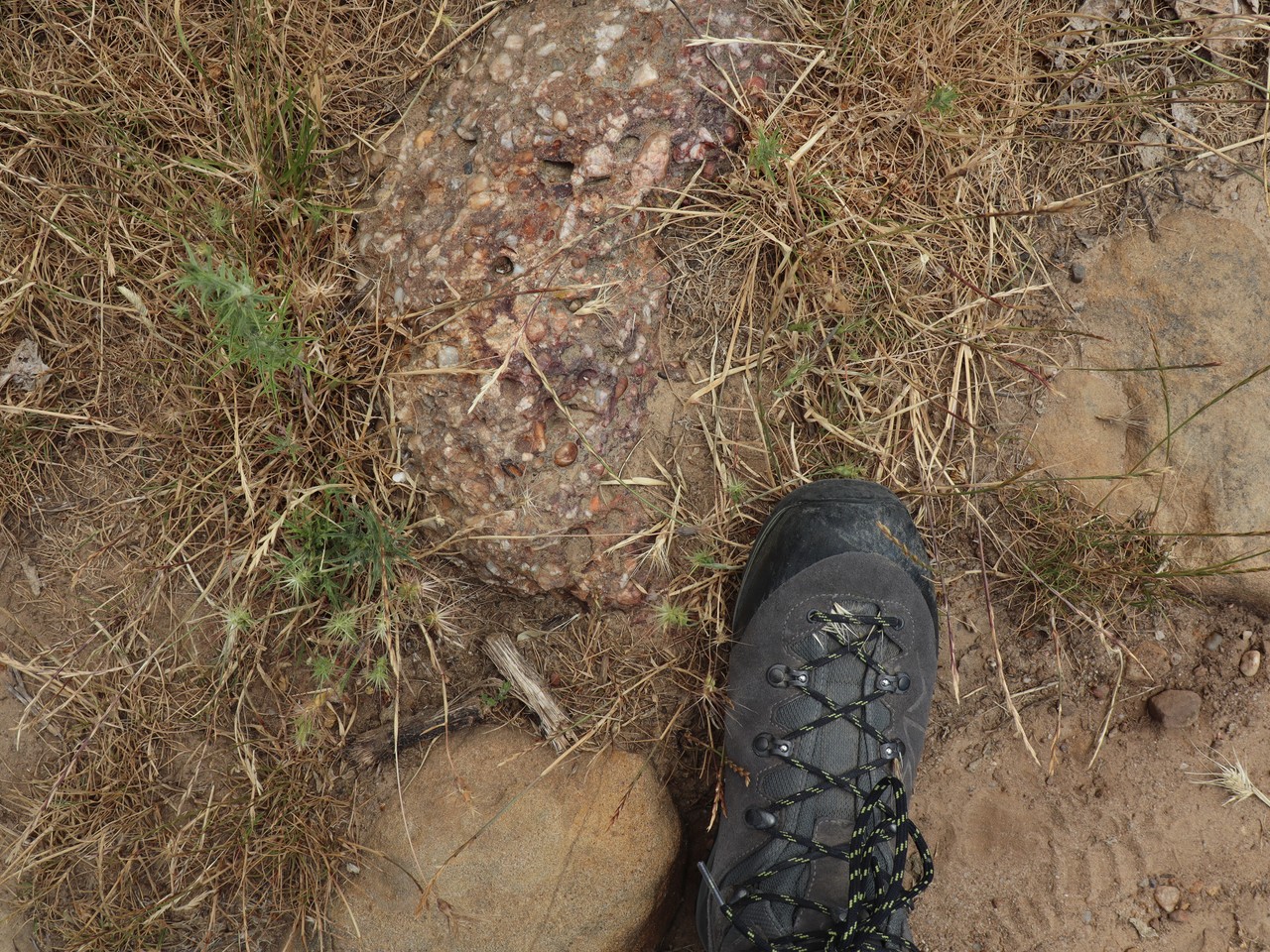
The A member of a Bouma sequence has massive to graded grains. The B member has finer grains with parallel stratas, while member C is a fine-grained sand with ripples and convolute beddings. The member D is composed of siltstones with parallel laminae as well. The E member is fine grained mud. Though we have not observed members D and E directly here, they have also been described in parts of the succession at Rocca Busambra.